
Forest Trail Aesthetic: Embrace Serene Nature-Inspired Design Ideas

Forest Trail Aesthetic: Embrace Serene Nature-Inspired Design Ideas
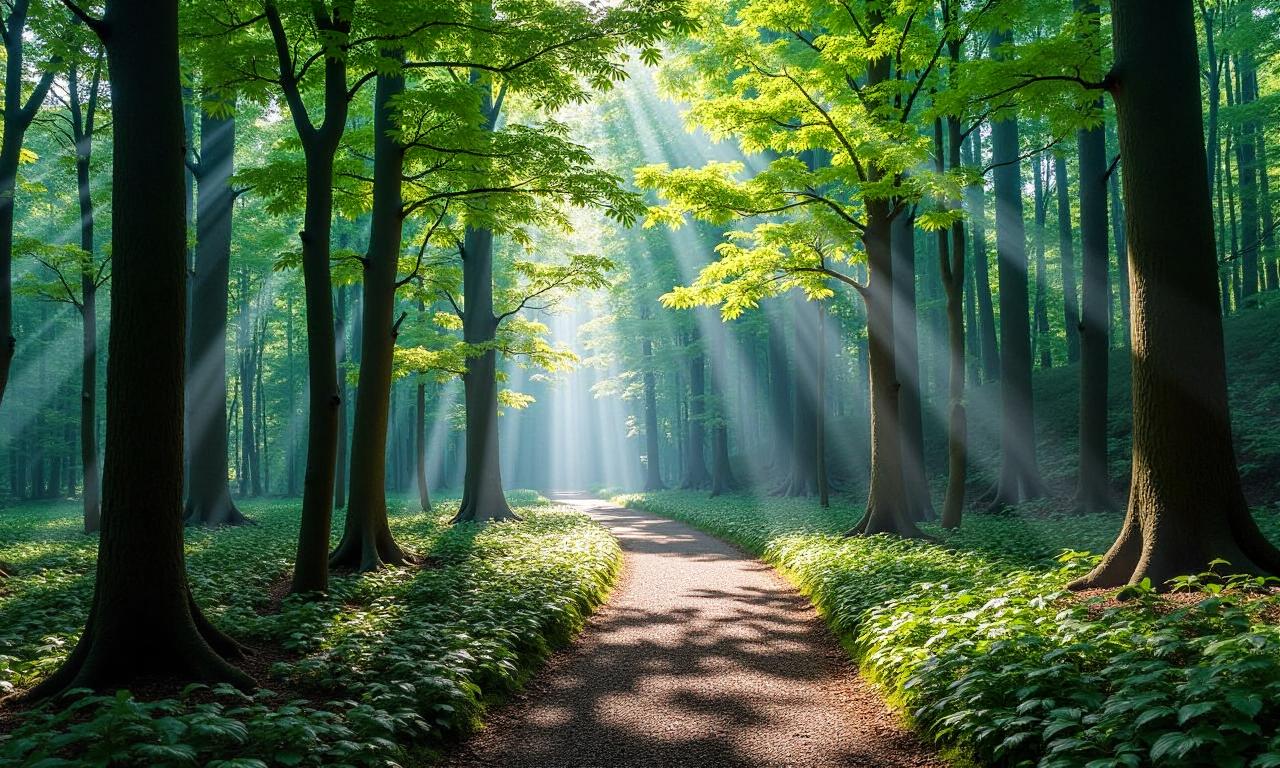
The forest trail aesthetic inspiration has gained popularity in recent years for its ability to bring a sense of calm and connection to nature into modern spaces. This design style draws from the quiet beauty of forest paths, where natural elements like trees, moss, and soft lighting create a tranquil atmosphere. Whether you’re redesigning your home, a workspace, or an outdoor area, the forest trail aesthetic inspiration offers a fresh way to blend rustic charm with contemporary simplicity. By focusing on earthy tones, organic textures, and minimalistic layouts, this approach encourages mindfulness and harmony with the environment.
Embracing Earthy Color Palettes
One of the defining features of the forest trail aesthetic inspiration is its use of natural, muted color palettes. Think soft greens, warm browns, and neutral grays—colors that mirror the tones found in forests and woodland settings. These hues create a soothing backdrop that promotes relaxation and a sense of being surrounded by nature. To achieve this look, incorporate shades like olive, sage, and moss green into walls, furniture, or textiles. Pair them with earthy tones such as terracotta or deep charcoal for depth and contrast, ensuring the space feels grounded yet elegant.
Textures and Materials: The Essence of Nature
Textures play a crucial role in the forest trail aesthetic inspiration, adding visual and tactile interest to a design. Opt for materials like reclaimed wood, stone, and woven fibers to evoke the raw, organic feel of a forest trail. These elements not only enhance the natural vibe but also offer durability and a rustic charm that stands the test of time. For example, a wooden table with a weathered finish or a stone pathway can mimic the organic layers found in nature. By combining smooth and rough textures, such as soft linen with rough-hewn wood, you create a balanced, authentic atmosphere that feels both inviting and timeless.
Natural Elements: Bringing the Outdoors In
Incorporating natural elements is a key aspect of the forest trail aesthetic inspiration. Plants, stones, and other organic components serve as focal points that connect the space to the surrounding environment. A small potted fern, a collection of driftwood, or a wall of hanging plants can instantly transform a room into a serene retreat. These elements not only add life to the design but also improve air quality and create a calming presence. When selecting natural items, prioritize those that feel unprocessed and unpolished, as they best reflect the authenticity of the forest trail aesthetic.
Lighting and Ambiance: Soft, Natural Illumination
Lighting is essential in capturing the essence of the forest trail aesthetic inspiration. Soft, diffused lighting mimics the gentle glow of sunlight filtering through tree branches or the warm light of a campfire. Use natural light sources, such as floor-to-ceiling windows or skylights, to maximize the connection to the outdoors. For evening use, opt for warm LED lights, candles, or lanterns that cast a subtle, ambient glow. Avoid harsh artificial lighting, as it can disrupt the tranquil, forest-like mood. The right lighting enhances the feeling of being in a woodland setting, making it easier to unwind and feel at peace.
Practical Applications in Home and Workspace Design
The forest trail aesthetic inspiration is versatile and can be adapted to various settings, from cozy living rooms to minimalist offices. In a home environment, consider using wooden accents, stone countertops, or natural fiber rugs to create a seamless blend with nature. For workspaces, introduce the aesthetic through biophilic design elements, such as living walls, indoor plants, or nature-themed artwork. These practical applications not only elevate the visual appeal of a space but also promote well-being by reducing stress and fostering a sense of connection to the earth. Even small touches, like a wooden bookshelf or a moss-covered planter, can make a significant impact without overwhelming the design.
Creating a Harmonious Space: Tips and Tricks
To fully embrace the forest trail aesthetic inspiration, focus on creating a harmonious space that feels both intentional and effortless. Start by decluttering, as the aesthetic thrives on simplicity and openness. Use large, natural elements like hanging plants or stone arrangements to anchor the design, and layer smaller items like dried flowers or wooden trinkets for texture. Keep the layout open and airy, allowing light and space to flow freely. This approach not only highlights the beauty of natural materials but also encourages a mindful, nature-focused lifestyle.
FAQ
Q: What are the key elements of the forest trail aesthetic inspiration? A: The forest trail aesthetic inspiration emphasizes earthy colors, organic textures, and natural elements like plants and stones to create a serene, nature-connected environment.
Q: Can the forest trail aesthetic inspiration work in small spaces? A: Yes, it can. Use vertical planters, minimalist furniture, and strategic placement of natural materials to maintain the aesthetic without overcrowding the area.
Q: How do I incorporate the forest trail aesthetic inspiration into my home decor? A: Start with a neutral color palette, add wooden or stone accents, and include indoor plants to bring the essence of a forest trail into your living space.
Q: Are there any specific materials to avoid with this aesthetic? A: Avoid synthetic materials or overly bright colors. Stick to natural, untreated options like reclaimed wood, stone, and organic fabrics for authenticity.
Q: What are the benefits of using the forest trail aesthetic inspiration? A: This aesthetic promotes relaxation, reduces stress, and enhances well-being by creating a peaceful, nature-inspired environment that connects you to the outdoors.
