
What it takes to be chosen as a World Cup referee – and how to ref the final
What it Takes to Be Chosen as a World Cup Referee – and How to Ref the Final
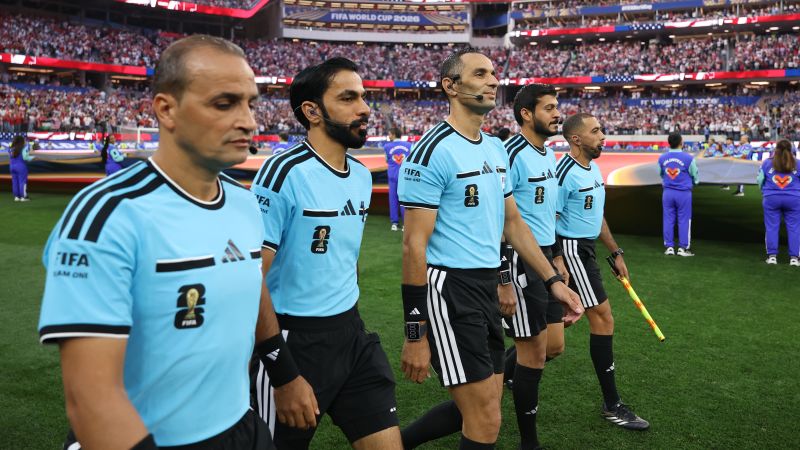
What it takes to be chosen – In the high-stakes environment of the World Cup, the journey for referees is equally demanding. While 48 nations vie for the prestigious title of champion, a separate group of officials has navigated a rigorous selection process to reach soccer’s most iconic stage. This year, the tournament has seen an unprecedented expansion, with 52 main referees, 88 assistant referees, and 30 video assistant referees (VARs) appointed. Together, they form a contingent of 170 officials—marking the largest-ever team for the event. The inclusion of 48 teams and 104 matches has elevated the need for precision, fairness, and adaptability in officiating. Yet, the path to this global spotlight is far from straightforward, requiring years of dedication, global exposure, and an unwavering commitment to the sport.
The Global Selection Process
FIFA’s selection process for World Cup referees is both methodical and competitive. Following the 2022 tournament in Qatar, the organization initiated a comprehensive evaluation of candidates. This involves attending seminars, passing fitness assessments, and demonstrating expertise in high-level matches. Referees must also maintain a strong track record across domestic and international competitions, with their performances scrutinized over a three-year period. The final decision rests with a committee that reviews all data before announcing the lineup.
One of the most notable aspects of this year’s team is its geographic diversity. Officials hail from 50 FIFA member nations, spanning all continental confederations. The United States is represented by eight referees, while the presence of six women in the group highlights FIFA’s continued push for gender inclusivity in the sport. This milestone follows the historic inclusion of female referees at the 2022 Qatar final, where their roles marked a significant step forward for women in soccer officiating.
The Weight of Responsibility
Being a World Cup referee is not just about technical skill; it also demands personal sacrifices. For many, balancing match duties with full-time employment is a constant challenge. “Most referees have been through at least one divorce,” says Leif Lindberg, a retired Swedish assistant referee who officiated the 2002 final between Brazil and Germany. “Many sacrifice family life in one way or another.” Lindberg’s own experience underscores the emotional toll of the job, as he recalls his debut in the 2002 final, which took place on June 4, 2002. “Every one of us was dreaming about officiating the World Cup,” he explains. “The noise from 50,000 spectators in red jerseys was overwhelming, and it was South Korea’s first World Cup game ever at home.”
Such moments of high pressure are not unique to Lindberg. Referees often face intense scrutiny, especially in critical matches. The selection process for this year’s tournament emphasizes not only experience but also the ability to handle stress. “In every important match ahead of the World Cup, we have one or two observers,” says Renato Faverani, an Italian former assistant referee who worked four matches at the 2014 World Cup, including the final between Germany and Argentina. These observers evaluate performance, ensuring that only the most capable officials are entrusted with major fixtures. The assessment is done as a group, with teams ranked based on their overall effectiveness and consistency.
Unexpected Challenges and Unforeseen Circumstances
The path to the World Cup final is often marked by unexpected obstacles. A Somali referee, selected for the championship match, faced a setback when denied entry to the United States due to “vetting concerns.” This incident highlights the additional layers of scrutiny applied to officials, particularly in the context of global politics and security. Meanwhile, in China, fans are rallying behind a single referee, the nation’s sole representative in this year’s tournament, following the disappointment of their national team’s early exit. This emotional connection between fans and officials adds another dimension to the role, as referees are not just arbiters of the game but also ambassadors for their countries.
The selection process also ensures that conflicts of interest are minimized. FIFA prohibits officials from officiating matches involving their own country, which means no predetermined list of candidates is reserved for the knockout stages. This policy creates a dynamic environment where referees must prove their worth repeatedly, as their appointments are based on performance and current form. For instance, as the tournament progresses, referees are named three to four days before each game, allowing for last-minute adjustments to the officiating team.
The Emotional High of Being Chosen
For referees, the moment of being named for the World Cup final is a mix of triumph and trepidation. Renato Faverani recalls the experience vividly: after returning from a practice session near his hotel, he found all the referees gathered in a massive hall. FIFA President Sepp Blatter stood at the front, unrolled a sheet of paper, and began reading names aloud. “The referees for the World Cup final are: Mr…” Blatter’s voice carried through the room, creating a palpable sense of anticipation. Seconds of suspense hung in the air before Faverani’s name was announced, a moment that he describes as “a very special moment.”
“For two or three hours, it was the best moment,” Faverani says. “Then, the pressure and responsibility arrived. You just hope the match comes quickly because the pressure is very high.”
The emotional weight of this announcement is immense. For referees, it’s not just a career milestone but a personal achievement that can define their legacy. Yet, the joy is quickly tempered by the realization of the responsibility that comes with it. The final match is the pinnacle of their journey, and the decisions they make will be scrutinized more than any other game of the tournament. This heightened pressure is a testament to the global significance of the World Cup and the role referees play in shaping its outcome.
Preparing for the Grand Finale
Once appointed, referees must prepare meticulously for the final. While mastering the Laws of the Game is a fundamental requirement, it’s only the beginning. The final demands a unique blend of experience, composure, and adaptability, as it often features the most intense competition and high-stakes decisions. Referees must rehearse scenarios, review previous matches, and coordinate with assistants and VARs to ensure seamless officiating. The process begins days before the kickoff, with teams refining their strategies and anticipating challenges.
Despite the rigorous training and selection, the final remains a test of real-time decision-making. Lindberg, who had to return to his home country if Sweden had advanced to the semifinals, recalls the tension of that situation. “Sweden went out in the round of 16 in very unlucky circumstances, but it was very lucky for me,” he says. This sentiment reflects the bittersweet nature of the job, where personal success and national performance are often intertwined. For referees, the final is a culmination of years of hard work, and the responsibility to uphold the integrity of the game is both a privilege and a burden.
As the World Cup progresses, the role of referees becomes even more critical. Their decisions can alter the course of a match, and the pressure to make the right call is immense. The expansion of the tournament has introduced new complexities, from the integration of VARs to the increased number of matches. Yet, the core principles of fairness and accuracy remain unchanged. For those who make it to the final, the journey is a testament to their skill, resilience, and dedication to the sport. The World Cup is not just a celebration of nations—it’s also a stage where referees play a pivotal role in ensuring the game is played with integrity, regardless of the stakes involved.
