
Israel strikes Beirut and orders south Lebanon evacuation as conflict mounts
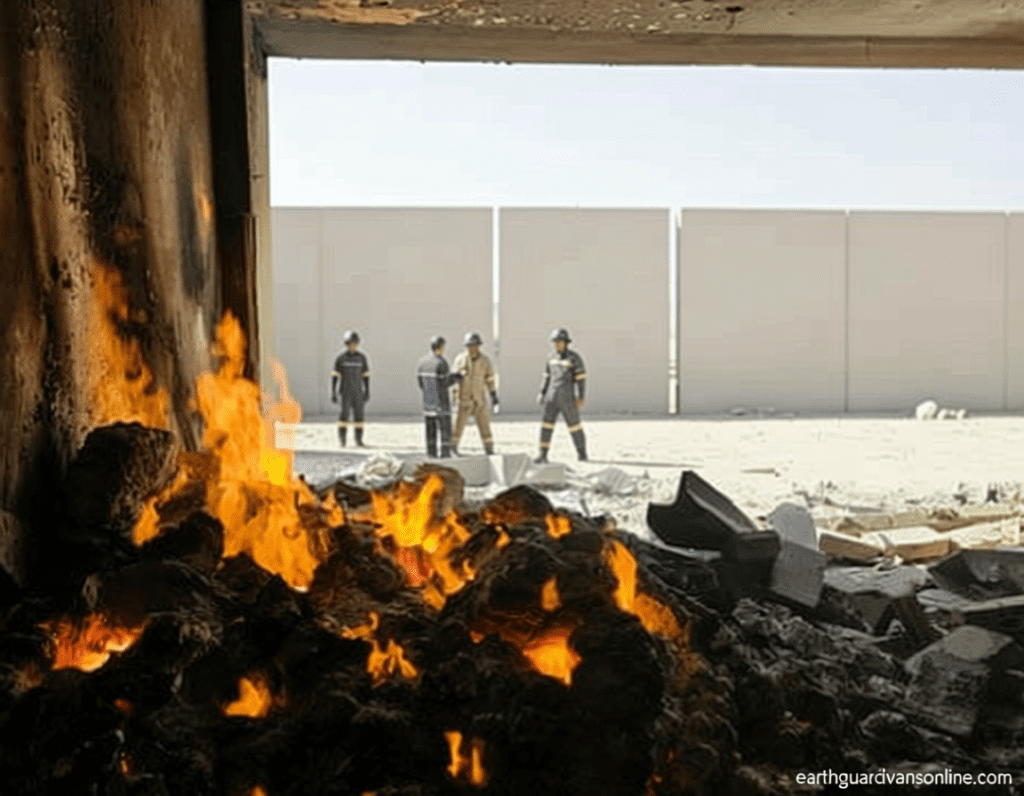
Israel escalates conflict with Hezbollah by targeting Beirut and ordering evacuations
On Thursday, the Israeli military intensified its operations in southern Lebanon, launching airstrikes that left Beirut’s center in ruins while issuing a broad evacuation directive. Residents within 25 miles of the border were instructed to flee northward, with the military emphasizing safety as a priority. The orders extended to key cities like Nabatieh and dozens of rural communities, creating widespread uncertainty among civilians.
The IDF’s latest actions included a strike on a central Beirut neighborhood near a cluster of eateries, prompting immediate displacement. A spokesperson stated that the area would be targeted due to its proximity to Hezbollah assets, though the exact locations were not fully disclosed. This marked a significant escalation in the ongoing hostilities between Israel and the pro-Iran group.
Evacuation orders expand to major cities and villages
Residents in southern Lebanon, including those from Nabatieh, faced urgent calls to relocate, with the military warning of potential attacks. The orders were part of a broader strategy to reduce Hezbollah’s operational capacity. Meanwhile, in central Beirut, two structures were bombed, collapsing under the force of Israeli strikes. One of the buildings was adjacent to a shelter housing displaced families, leading to chaos in the main square.
“Where can I go?” asked Hamza Zbeeb, a 48-year-old official from Nimiriya village. “Many people have gone to Beirut and returned because there’s nowhere to stay. I don’t want to be on the streets.”
Hours later, the prime minister’s office and nearby UN facilities were targeted, further disrupting the capital. The bombardment followed a series of intense Hezbollah attacks on Israel, which had raised tensions to a critical level. Iran’s Revolutionary Guards confirmed the coordination, calling the operation a “joint and integrated campaign” involving both missile and drone strikes.
Hezbollah’s intensified attacks prompt Israeli response
Hezbollah launched over 200 rockets into Israeli territory during the night, including strikes on military bases in Haifa, Tel Aviv, and Beersheba. The group’s operation, named “Operation Chewed Wheat,” referenced a Quranic verse and signaled a renewed offensive after months of sustained Israeli airstrikes. The bombardment of Beirut’s southern suburbs and central neighborhoods continued into Thursday afternoon, shaking the city’s skyline.
“Last night was a bit crazy,” said Daniel Dorfman, 43, from Metula. “I don’t get anxious usually, but all the walls were shaking. It’s a little bit frightening. Here we get zero warning of any attack. You hear the explosions of the interception before you hear the sirens.”
Residents in border towns described the night as “very difficult,” with constant explosions and the fear of sudden strikes. The conflict has already displaced nearly a million people in just ten days, highlighting the humanitarian toll. Videos from the area showed streets choked with smoke and buildings reduced to rubble, underscoring the scale of destruction.
Displacement and casualties mount
Amid the chaos, displaced families were forced to seek shelter on Beirut’s corniche. An Israeli strike in the early hours of Thursday claimed at least two lives, with the health ministry reporting 12 fatalities and 28 injuries. Ali Hariri, a lawyer and aid worker in Nabatieh, described the night as “bombing all night,” with the city’s infrastructure under siege.
“It was terrifying,” said Riyadh al-Lattah, a 57-year-old woodworker from Beirut’s southern suburbs. “We were camped out with my wife and five children, and the explosions never stopped.”
The conflict, now in its tenth day, has seen Hezbollah and Iran synchronize their efforts for the first time. This coordinated assault has pushed Israel to escalate its response, marking a new phase in the regional standoff. The damage to Beirut and southern Lebanon signals the conflict is reaching a critical point, with both sides demonstrating escalating resolve.
