
KC 135: The Ultimate Guide to Understanding Its Role in Modern Technology

The KC-135 is a critical component of modern military and aerospace technology, serving as one of the most iconic aircraft in aviation history. Developed by Boeing in the 1950s, the KC-135 has evolved from its original role as a strategic tanker to a versatile platform used in a wide range of missions. Its ability to refuel other aircraft mid-flight has revolutionized military logistics, enabling extended operations, rapid deployment, and sustained airpower. This guide provides a comprehensive overview of the KC-135, including its design, capabilities, and significance in contemporary technology.
A Legacy of Strategic Innovation
The KC-135 was initially conceived as a refueling tanker to support the U.S. Air Force’s long-range bombers during the Cold War. Its development began in the early 1950s, with the first prototype flying in 1956. Based on the Boeing 707 jet airliner, the KC-135 combined commercial aviation technology with military adaptability, setting a new standard for aerial refueling. Over the decades, the aircraft has undergone numerous upgrades, with the KC-135R and KC-135T variants incorporating modern avionics, improved engines, and enhanced fuel capacity. These modifications have ensured the KC-135 remains a vital asset in today’s military and technological landscape.
Design and Operational Capabilities
The KC-135 is designed with a focus on efficiency and versatility. Its robust airframe allows it to carry up to 140,000 gallons of fuel, making it one of the most capable tankers in the world. The aircraft is equipped with two primary refueling systems: the air refueling boom and the hose-and-drogue method. The boom system, which is a retractable tube that connects to the receiver aircraft, is especially effective for large military jets like the B-52 and F-15. Meanwhile, the hose-and-drogue method allows for faster refueling of smaller aircraft and is widely used in commercial and humanitarian operations.
These systems are complemented by the KC-135’s advanced navigation and communication equipment, which ensures precision during refueling and enhances its role in modern air operations. The aircraft’s range of over 8,000 miles allows it to support missions across continents, while its ability to operate in various weather conditions makes it suitable for challenging environments. The KC-135’s design also includes a pressurized cabin, which provides a comfortable environment for crew and passengers during extended flights.
Modern Military Applications
In modern military operations, the KC-135 plays a pivotal role in sustaining air superiority and enabling strategic mobility. Its primary function as a tanker has expanded to include aerial refueling for fighter jets, reconnaissance aircraft, and even unmanned drones. This capability is essential for missions that require rapid response, such as air strikes or long-range surveillance. The KC-135’s ability to refuel multiple aircraft simultaneously ensures that air forces can maintain continuous operations without relying heavily on ground-based fuel depots.
Beyond refueling, the KC-135 is also used for transporting cargo, personnel, and equipment. This dual-purpose design has made it a cornerstone of logistical support in both peacetime and wartime scenarios. In joint exercises, the KC-135 demonstrates the importance of aerial refueling in coordinating multi-national air forces. Its role in modern technology is further underscored by its integration with digital systems that optimize fuel management and mission planning, ensuring maximum efficiency in air operations.
Technological Upgrades and Adaptability
The KC-135 has continuously evolved to meet the demands of modern warfare and technology. The KC-135R variant, introduced in the 1980s, features upgraded engines, improved avionics, and enhanced fuel capacity, extending its operational lifespan. These upgrades have allowed the KC-135 to remain relevant in an era dominated by advanced military aircraft. The KC-135T, developed in the 1990s, further modernized the platform by incorporating new navigation systems and communication technologies, improving its precision and reliability.
Recent modifications include the installation of digital flight control systems, which enhance the aircraft’s performance and reduce maintenance costs. Additionally, the KC-135 has been adapted for specialized missions, such as delivering medical supplies or conducting aerial surveillance. These technological advancements highlight the KC-135’s adaptability, allowing it to serve as a flexible asset in a variety of operational contexts. The aircraft’s ability to integrate with modern defense networks and its cost-effectiveness make it a preferred choice for many nations.
Civilian and Commercial Uses
While the KC-135 is primarily a military aircraft, it has found applications in civilian and commercial sectors. The KC-135’s versatility makes it suitable for humanitarian aid missions, where it can transport essential supplies to disaster-stricken areas. In the medical field, the KC-135 has been used for patient evacuation and the delivery of medical equipment, showcasing its role beyond military operations. Some variants have also been employed for scientific research, such as atmospheric studies or testing new technologies in high-altitude conditions.
These civilian uses demonstrate the KC-135’s value as a multi-mission aircraft. Its ability to operate in diverse environments and its robust design have made it a reliable asset for non-military tasks. The KC-135’s adaptability is further reflected in its use for VIP transport, where it can carry high-ranking officials or dignitaries on extended flights. By leveraging its aerial refueling capabilities, the KC-135 continues to play a key role in both defense and commercial aviation.
The KC-135 in Global Defense Strategies
The KC-135 has become a cornerstone of global defense strategies due to its strategic importance in military logistics. Many countries have adopted the KC-135 as a cost-effective solution for maintaining airpower, especially in regions where ground infrastructure is limited. Its presence in international coalitions and joint operations underscores its role as a shared resource for global security.
The KC-135’s ability to refuel a wide range of aircraft, including stealth fighters and drones, has made it indispensable for modern air campaigns. Its strategic value is also evident in its use for transporting troops and equipment to remote locations, ensuring rapid deployment in crisis situations. The KC-135’s long service life and continuous upgrades have solidified its position as a reliable platform in the ever-evolving landscape of defense technology.
The Future of the KC-135
Despite being over six decades old, the KC-135 remains a vital asset in modern technology, with ongoing efforts to extend its service life. The KC-135R, currently the primary variant in service, is undergoing further modernization to incorporate cutting-edge systems, such as improved fuel efficiency and advanced sensors. These upgrades aim to ensure the KC-135 remains competitive against newer tanker models, such as the KC-46 Pegasus.
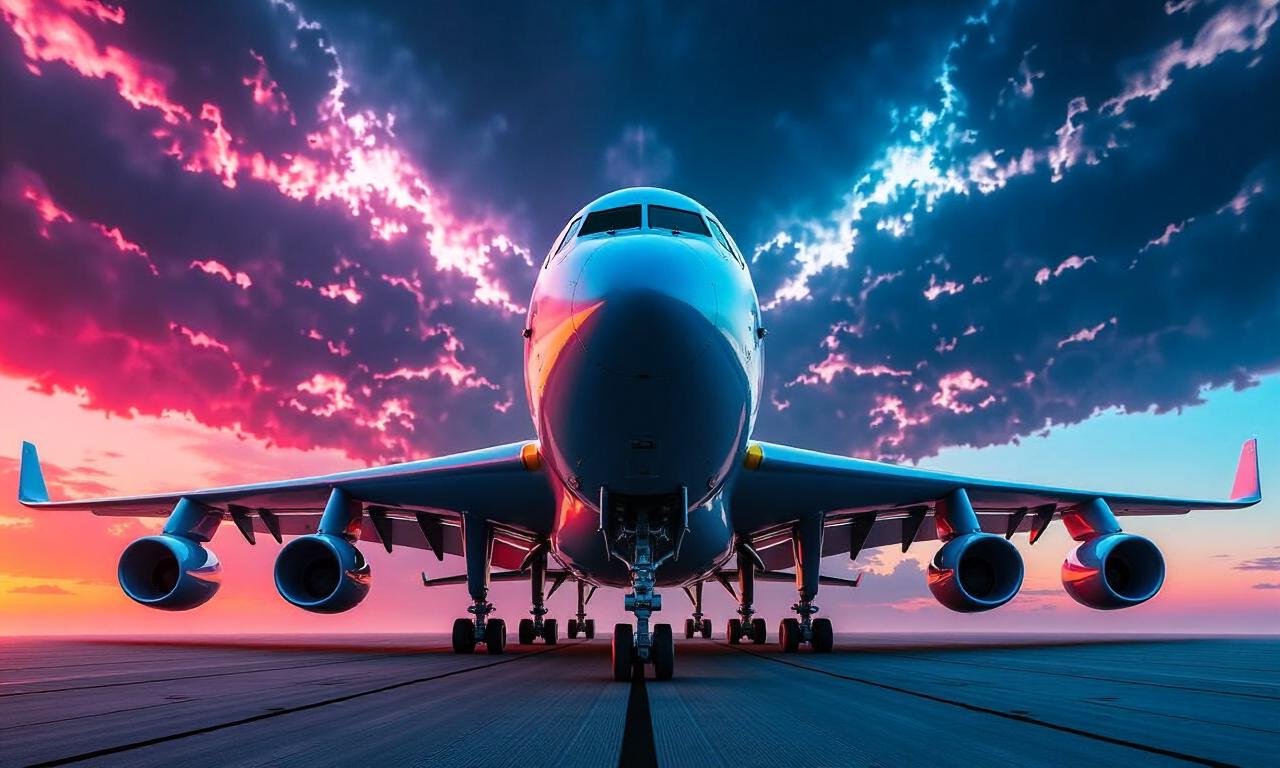
The KC-135’s legacy in aviation is undeniable, as it has set the foundation for modern aerial refueling technology. Its continued use highlights the importance of retrofitting older aircraft to meet contemporary needs, proving that innovation is not solely about developing new platforms. The KC-135 is expected to remain in service for several more years, with potential replacements being phased in gradually. Its adaptability and reliability ensure that it will remain a key player in global aviation for years to come.
The KC-135’s Impact on Modern Air Power
The KC-135 has significantly influenced the development of modern air power by enabling the operation of long-range aircraft without the need for extensive ground infrastructure. This capability has transformed military operations, allowing for rapid global response and sustained air superiority. The KC-135’s role in maintaining the readiness of air forces has made it an essential component of national defense strategies.
Additionally, the KC-135 has contributed to the advancement of aerial refueling technology through its use in testing and refining refueling techniques. Its ability to support a variety of aircraft, including both manned and unmanned systems, ensures that it remains relevant in the face of evolving military needs. The KC-135’s impact extends beyond its operational capabilities, as it has inspired the development of newer, more advanced tanker models.
Maintenance and Longevity of the KC-135
The KC-135’s longevity is a testament to its durability and the effectiveness of maintenance programs. Regular inspections, component replacements, and software updates have kept the aircraft operational despite its age. These maintenance efforts are crucial for ensuring the KC-135 meets the safety and performance standards required for modern missions.
The KC-135’s maintenance strategy also emphasizes cost efficiency, allowing military budgets to be allocated to other priorities while maintaining the aircraft’s readiness. This balance between cost and capability has made the KC-135 a preferred choice for many air forces around the world. Its ability to adapt to new technologies while retaining core functionality underscores its role in modern aviation.
Environmental and Economic Considerations
As a military aircraft, the KC-135 has raised concerns about its environmental impact, particularly in terms of fuel consumption and emissions. However, ongoing upgrades, such as more efficient engines and optimized flight paths, have helped reduce its carbon footprint. These efforts align with global initiatives to make military operations more sustainable.
Economically, the KC-135’s cost-effectiveness is a major advantage. Compared to newer aircraft, its lower acquisition and maintenance costs make it an attractive option for nations with limited defense budgets. This economic efficiency has allowed the KC-135 to remain in service, even as newer platforms are developed. Its ability to perform multiple roles further enhances its value, ensuring it remains a key asset in modern technology.
Conclusion
The KC-135 is a symbol of innovation and adaptability in modern technology, having served as a foundational platform for aerial refueling since its introduction. Its design, capabilities, and versatility have made it an essential asset in military and civilian operations, supporting everything from strategic missions to humanitarian aid. The aircraft’s ongoing upgrades and maintenance ensure it remains relevant in an ever-changing technological landscape, proving that even older systems can evolve to meet new demands. As the KC-135 continues to operate, its legacy in aviation and defense will undoubtedly inspire future advancements in aerial logistics and military technology.
FAQ
Q: What is the KC-135 and what does it do? A: The KC-135 is a military aircraft used for aerial refueling, transporting cargo, and supporting a variety of missions. It enables extended flight operations by transferring fuel to other aircraft.
Q: How does the KC-135 refuel other planes? A: The KC-135 uses two methods: a retractable air refueling boom for large aircraft and a hose-and-drogue system for smaller planes, allowing for flexible and efficient fuel transfer.
Q: What are the key features that make the **KC-13
