
With the US pressuring Cuba, a Castro known as ‘the Crab’ is making appearances. Here’s why it matters
With the US pressuring Cuba, a Castro known as ‘the Crab’ is making appearances. Here’s why it matters
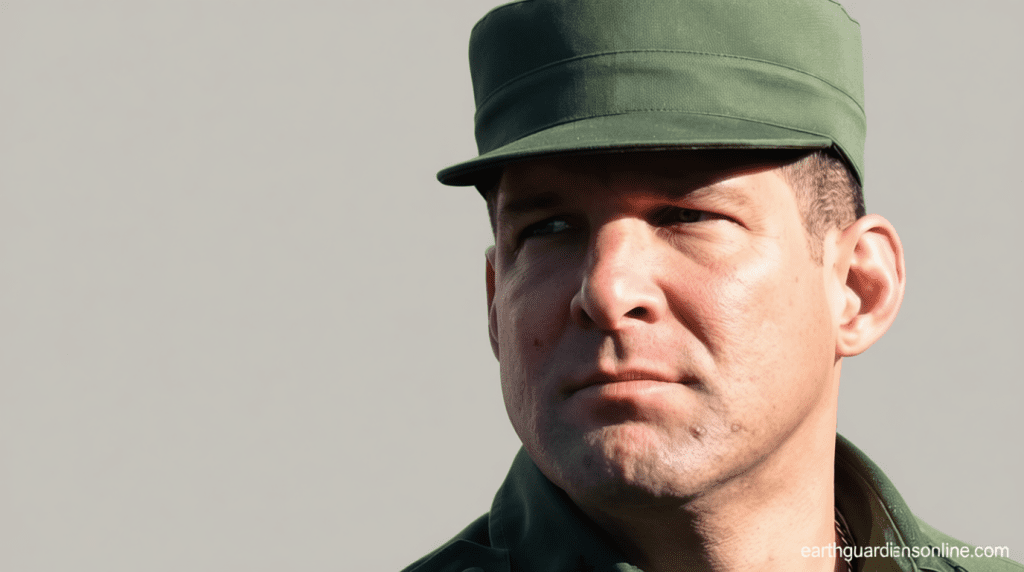
Cuba’s current political landscape has drawn attention to Raúl Guillermo Rodríguez Castro, the grandson of former leader Raúl Castro, following his first public engagements with President Miguel Díaz-Canel. These events, held on Friday, have sparked speculation about his potential influence in the island’s leadership, especially as the United States escalates efforts to challenge the Cuban government.
Castro, also referred to as “Raulito,” appeared at two gatherings hosted by Díaz-Canel, including a meeting with Communist Party officials and the Council of Ministers. Later that day, he joined a press conference where the president outlined Cuba’s social and economic struggles. The administration confirmed discussions with the U.S. regarding the ongoing sanctions and diplomatic strain since the 1960s, which have grown more intense recently.
Behind the Scenes: US Conversations
Reports indicate that Castro has engaged in private talks with U.S. officials, notably Secretary of State Marco Rubio, without involving formal Cuban government channels. While CNN has yet to confirm these interactions with the State Department or the Cuban leadership, some observers suggest they could signal a shift in alliances.
Analysts argue that Castro’s rising visibility may reflect a broader strategy by Washington to weaken Havana’s communist regime. With the U.S. intensifying pressure, the Cuban government is facing its most critical period in years. Power outages, medical shortages, and dwindling resources have pushed the nation toward a potential humanitarian crisis.
A Legacy of Influence
Castro, 41, is the son of Débora Castro Espín, one of Raúl Castro’s daughters, and Luis Alberto Rodríguez López-Calleja, a former military commander. His father led GAESA, a state-controlled business network, before passing away in 2022. Known as a trusted confidant of Raúl Castro, he held significant roles during the former president’s tenure.
“Luis Alberto was a man Raúl Castro trusted completely,” stated Sebastián Arcos, director of the Cuban Research Institute at Florida International University. “After his death, his son began to ascend within the government, eventually leading Raúl’s personal security detail.”
Castro’s rise includes overseeing his grandfather’s protection during high-profile visits, such as those with Pope Francis and Russian diplomats. His nickname, “el Cangrejo,” highlights his perceived role in navigating the complexities of Cuban politics and international relations.
A New Era of Tensions
The crisis in Cuba deepened after the U.S. military operation in January that targeted Venezuela’s President Nicolás Maduro. This move disrupted a key supply line, as Venezuela had provided heavily subsidized oil to Cuba. By cutting off this resource, the U.S. aims to destabilize Havana’s economy further.
Experts note that the U.S. may be leveraging Maduro’s removal to weaken Cuba’s government. The strategy includes engaging with Cuban opposition figures, building on preexisting meetings with Venezuelan elites. As the island’s leadership faces mounting challenges, Castro’s growing presence could shape the future of its political structure.
