
US not ready to seek deal to end war with Iran, Donald Trump says
US not ready to seek deal to end war with Iran, Donald Trump says
Escalating Tensions in the Middle East
Donald Trump has indicated he remains hesitant to pursue a ceasefire agreement with Iran, stating that the United States is still focused on securing more favorable conditions for its military campaign alongside Israel. While he acknowledged Tehran’s interest in negotiations, Trump emphasized that the terms offered by Iran were insufficient, suggesting the US would continue its strikes until a better outcome is achieved.
“Iran wants to make a deal, and I don’t want to make it because the terms aren’t good enough yet,” Trump remarked during a Saturday interview with NBC News.
Recent days have seen Iran launching missile and drone strikes against Gulf nations and Israel, while US and Israeli warplanes targeted Iranian military sites. This intensifying conflict has sent the Middle East into turmoil, disrupted global air travel, and caused oil exports to falter, leading to a global surge in fuel prices.
Global Consequences of the Conflict
The war has compounded economic strain, with oil shipments through the Strait of Hormuz—crucial for a fifth of global energy supplies—threatened by Iran’s resolve to block the waterway. Over 600 vessels are stranded in the Red Sea, and experts warn that reestablishing calm through military force alone will be arduous as long as Iran can threaten maritime routes.
Tehran’s foreign minister, Abbas Araghchi, called for restraint during a Sunday conversation with French counterpart Jean-Noël Barrot, urging nations to avoid actions that could worsen the crisis. Meanwhile, Iran’s new supreme leader, Mojtaba Khamenei, pledged to maintain the strait’s closure in a written statement, despite recent claims of his injuries from a strike that killed his predecessor.
Regional Impact and Local Resilience
Despite the ongoing war, daily life in Tehran showed a semblance of normalcy, with traffic surging and some cafes and restaurants reopening ahead of Nowruz, the Persian New Year. However, disruptions persisted, as online operations at Bank Melli were halted, forcing shoppers to queue at ATMs for cash.
Meanwhile, violence flared in Iraq, where pro-Iranian groups targeted US embassies and military bases, prompting the administration to advise its citizens to evacuate. Kurdish factions in northern regions also reportedly launched attacks against potential US allies.
Casualty Figures and Displacement
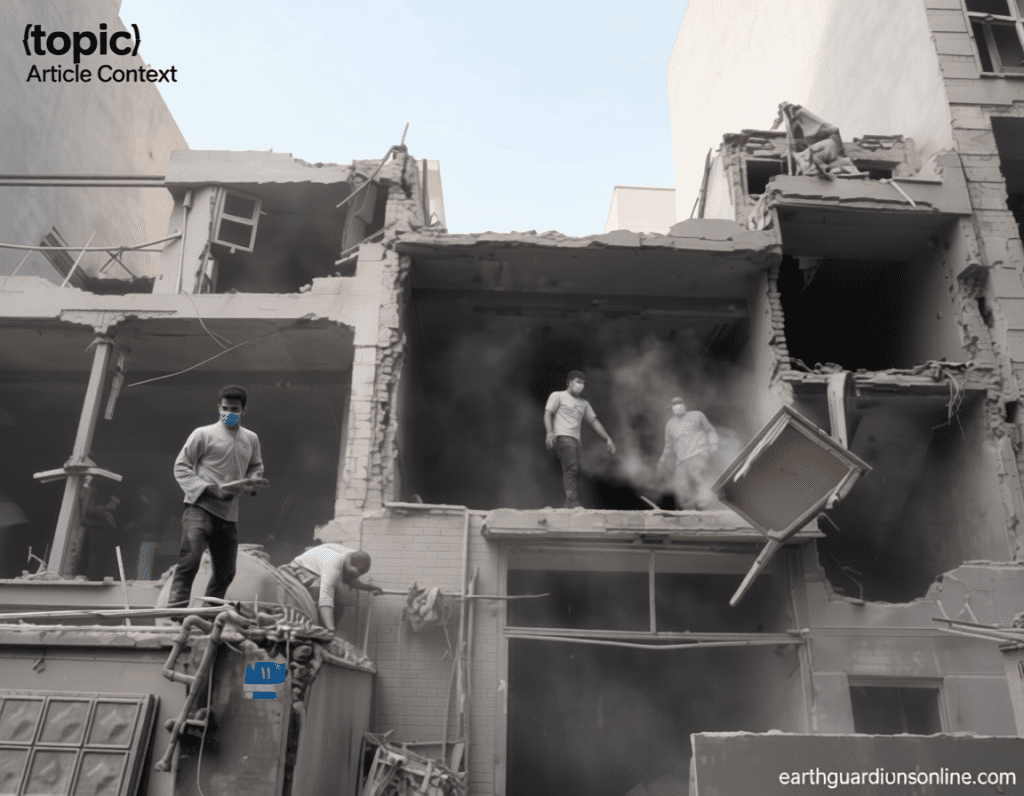
According to the International Committee of the Red Cross, over 1,300 people have perished in US and Israeli assaults on Iran. The Iranian health ministry reported 223 women and 202 children among the casualties. The UN refugee agency estimates that up to 3.2 million Iranians have been displaced, with many fleeing cities for safer areas.
Trump’s strategy includes targeting Kharg Island, Iran’s primary oil export hub, with potential airstrikes to clear the path for oil shipments. He suggested the US might bomb the island “just for fun” following Friday’s attacks on its military infrastructure.
Mediation Efforts and Uncertain Outlook
Araghci highlighted Iran’s openness to proposals ending the war, though no progress was confirmed. Turkish officials claimed to be facilitating talks between Iran and its neighbors to reduce tensions. However, Trump questioned Khamenei’s authority, stating: “I don’t know if he’s even alive. So far, nobody has been able to show him.”
