
Trump administration charges 455 people, including doctors, with $6.5 billion in healthcare fraud
Trump Administration Charges 455 Individuals in $6.5 Billion Healthcare Fraud Sweep
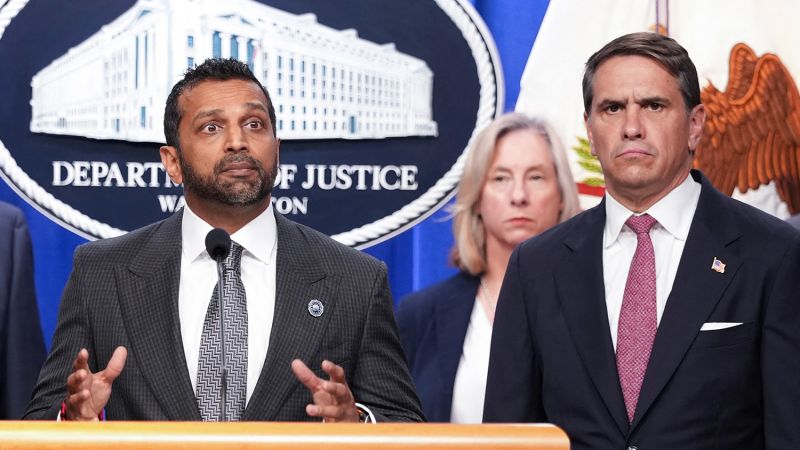
Trump administration charges 455 people including – On Tuesday, the Trump administration unveiled a sweeping legal action targeting 455 individuals accused of engaging in healthcare fraud and opioid misuse schemes, according to the Justice Department. The defendants, which included 90 physicians and other medical professionals, are linked to a total of $6.5 billion in fraudulent claims. These allegations suggest a pattern of deceit that not only siphoned public funds but also jeopardized the health and well-being of patients. The announcement came during a high-profile press event, where officials emphasized the scale and severity of the schemes.
A Nationwide Crackdown with Significant Impact
This year’s National Health Care Fraud Takedown, a coordinated effort involving 45 states and territories, marked a significant expansion of the administration’s focus on combating healthcare fraud. The initiative, which Health Secretary Robert F. Kennedy Jr. highlighted during the press conference, underscores the federal government’s commitment to rooting out systemic abuses. “This is just the beginning. Fraudsters can no longer rip off American taxpayers,” stated Acting Attorney General Todd Blanche, delivering a stern message to those involved in the schemes. He added that the Justice Department would not only pursue legal action but also seize assets and ensure full prosecution for offenders.
“Healthcare fraud steals from taxpayers, exploits vulnerable patients and puts lives at risk,” Kennedy said in a statement. The quote reflects the administration’s broader stance on holding healthcare providers accountable for their actions.
The latest charges are part of a multi-year strategy to target Medicare and Medicaid fraud, which are government-funded programs designed to provide healthcare coverage to seniors and low-income individuals. Critics argue that the Trump administration’s focus on these programs has disproportionately affected states led by Democrats, accusing the efforts of being politically motivated. Despite this, the Justice Department maintains that the campaign is a necessary step to restore trust in the healthcare system.
Tragic Consequences of Fraudulent Practices
Among the cases, one stands out for its devastating outcome. A 18-year-old college basketball player, Kaiden Francis, allegedly died weeks after his cardiovascular test was falsely marked as normal by a doctor who failed to inform his family about an enlarged heart. The incident, which has drawn public outrage, highlights how fraudulent claims can lead to life-threatening consequences. Investigators claim that the doctor rubber-stamped the test without proper scrutiny, allowing the family to believe their son was in good health.
Other cases reveal intricate schemes designed to maximize financial gains while minimizing accountability. For instance, a prominent Arizona-based company was found to have submitted $2 billion in Medicare payments for fraudulent wound care claims. These claims were allegedly inflated to justify unnecessary treatments, siphoning money from the program while leaving patients with little benefit. Similarly, in Texas, a separate scheme involving $906 million in false claims was uncovered, targeting the state’s healthcare infrastructure.
Exploiting Vulnerable Systems
Healthcare fraud often exploits vulnerable systems, with the Trump administration citing examples that illustrate this trend. In California, a hospice owner was charged for paying a funeral home employee to obtain information about recently deceased patients. Using this data, the operator allegedly billed Medicare for several days of hospice services, even though the patients had already passed away. Such practices not only defraud the system but also create a sense of false security for families who rely on these services.
The takedown also targeted Medicaid fraud, which has seen a record number of charges. Over 295 defendants were implicated in schemes that drained more than $518 million from the program, marking the largest amount of funds lost to fraud in the Justice Department’s history. This focus on Medicaid reflects the administration’s push to address all levels of the healthcare system, from federal to state programs.
Dr. Mehmet Oz’s Role in the Campaign
Dr. Mehmet Oz, who heads the Centers for Medicare and Medicaid Services, has played a pivotal role in the administration’s efforts. Leveraging his experience in television, he has produced videos to identify areas where fraud is most prevalent, aiming to educate the public and law enforcement. His involvement has been both praised and scrutinized, with some calling it a strategic move to bolster the administration’s image while others question its effectiveness.
The campaign’s approach emphasizes proactive measures to prevent fraudulent payments before they are approved. By analyzing patterns and identifying high-risk areas, the Justice Department seeks to intercept claims that could cost millions in taxpayer funds. This strategy aligns with the administration’s broader goal of reducing waste and ensuring that healthcare resources are used efficiently.
Historical Context and Broader Implications
While this year’s takedown is notable for its scale, it is part of a larger trend of federal efforts to combat healthcare fraud. Last year, the Justice Department charged 324 defendants with over $14.6 billion in alleged fraud, indicating a consistent focus on this issue. However, the current action surpasses previous records, with the $6.5 billion total representing a significant increase in the amount of financial damage attributed to fraudulent activities.
Experts note that healthcare fraud remains a critical challenge, particularly in states where healthcare systems are heavily reliant on federal funding. The Trump administration’s emphasis on this issue has sparked debates about its political motivations. While some states have criticized the crackdown as biased, others have welcomed the initiative as a necessary step to curb abuses. The collaboration between federal and state authorities has been key to the success of these efforts, with officials working closely to share intelligence and coordinate enforcement actions.
As the investigation continues, the Justice Department has announced plans to increase transparency and public awareness. By leveraging media and outreach, they aim to highlight the personal and financial toll of fraud, encouraging both patients and providers to report suspicious activities. The administration’s focus on healthcare fraud also reflects a broader shift in policy priorities, with an emphasis on fiscal responsibility and accountability in public programs.
Looking Ahead: A Long-Term Strategy
Officials have expressed confidence that the current charges will serve as a catalyst for long-term change. “This takedown demonstrates that no one is above the law, especially those who exploit the healthcare system,” said Blanche. The administration’s goal is not only to punish those involved but also to deter future misconduct by setting a precedent for strict enforcement. As the Justice Department continues its work, it will likely face challenges in maintaining its momentum while addressing the complexities of the healthcare industry.
The scale of this year’s action has raised questions about the future of healthcare fraud investigations. With over 45 states participating, the collaboration has created a powerful network for tracking and prosecuting offenders. However, the political climate surrounding the initiative could influence the scope and intensity of future efforts. Regardless of these factors, the administration’s commitment to tackling fraud remains evident, as it seeks to protect taxpayer dollars and ensure that healthcare services are delivered fairly and efficiently.
As the cases unfold, the focus will remain on uncovering the full extent of the fraud and holding individuals accountable for their actions. The stories of those affected, like Kaiden Francis, will serve as reminders of the human cost behind these schemes. By targeting both individual and institutional misconduct, the Trump administration aims to restore public confidence in the healthcare system and set a new standard for integrity in medical practices.
