
Master Birdwatching Photography: Essential Tips for Beginners

Introduction to Birdwatching Photography Basics
Birdwatching photography is a captivating blend of patience, observation, and technical skill. For beginners, mastering birdwatching photography basics can feel overwhelming, but with the right approach, it becomes rewarding. This article serves as a comprehensive guide to help new photographers understand the fundamentals of capturing birds in their natural habitats. Whether you’re using a smartphone or a professional DSLR, the core principles of birdwatching photography basics remain the same. By focusing on key elements like equipment, techniques, and patience, you can improve your chances of taking stunning, meaningful images of birds.
Choosing the Right Equipment for Birdwatching Photography Basics
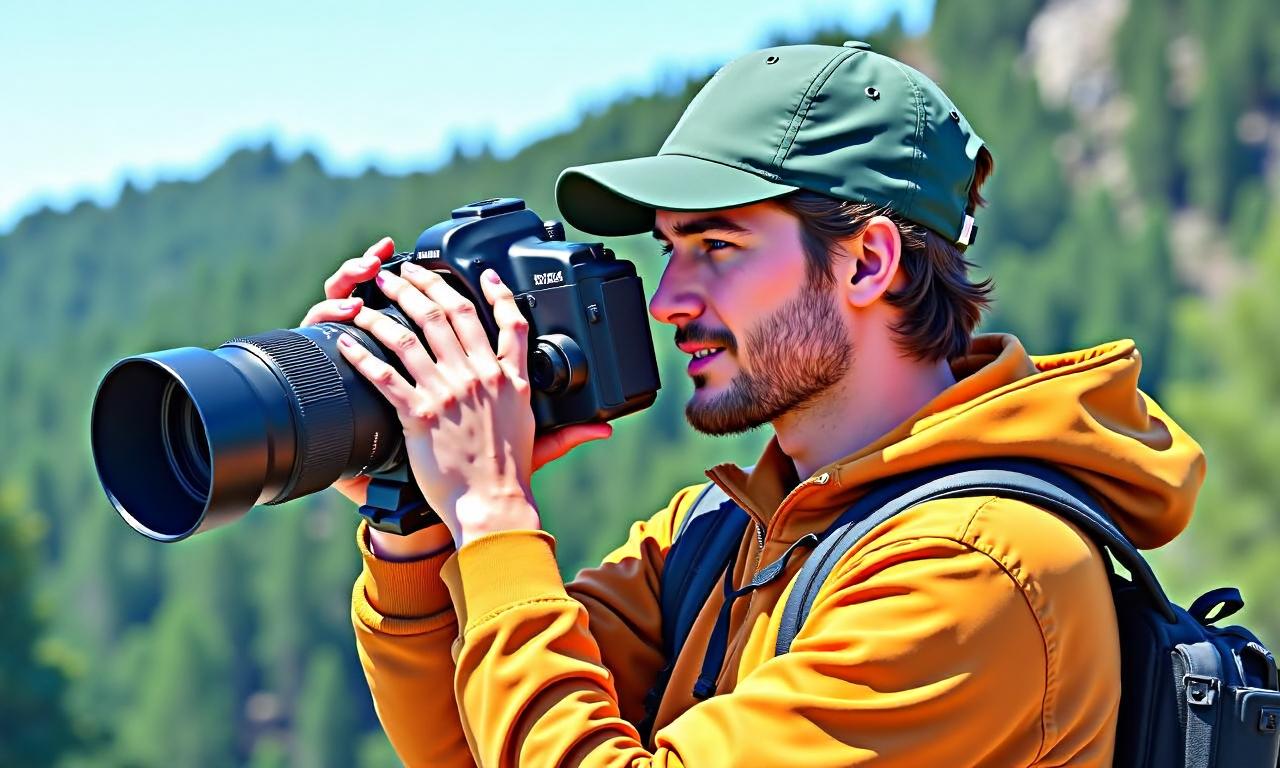
The foundation of any great birdwatching photography basics setup starts with selecting the appropriate equipment. A DSLR or mirrorless camera with a fast shutter speed is ideal for freezing bird movements, while a telephoto lens (200mm or longer) allows you to capture detailed shots from a distance. Beginners may start with a compact camera or smartphone, but investing in a dedicated lens for birdwatching photography basics can significantly enhance image quality. A tripod or monopod helps stabilize the camera, especially when using long lenses, ensuring sharper photos.
Understanding the Fundamentals of Birdwatching Photography Basics
Photographing birds requires more than just pointing and shooting. Understanding the birdwatching photography basics involves knowing when and where to take your shots. Birds are often most active during dawn or dusk, when light is soft and colors are vibrant. Researching local bird species and their habitats can also improve your chances of finding them. Patience is a crucial skill in birdwatching photography basics, as waiting for the perfect moment often yields the best results. Don’t rush—birds may take time to reveal their best angles.
Mastering Composition and Framing Techniques
Composition plays a vital role in birdwatching photography basics, helping your images stand out. Use the rule of thirds to position the bird off-center, creating a more dynamic and visually appealing shot. Framing elements like branches, flowers, or water can add context and depth to your photos. Experiment with different angles—low perspectives can emphasize a bird’s size, while high angles offer a unique vantage point. Remember to consider the background and eliminate distractions that take away from the subject.
Leveraging Lighting to Enhance Your Shots
Lighting is one of the most impactful factors in birdwatching photography basics. Natural light, especially during the golden hour, casts soft shadows and highlights the bird’s features. Avoid harsh midday sun, which can create unflattering contrasts and reduce detail. If shooting in low light, increase your camera’s ISO but keep it low to minimize noise. Backlighting can produce dramatic silhouettes, while side lighting adds dimension and texture to your images. Experiment with lighting conditions to discover what works best for your style.
Practicing Patience and Anticipation
Patience is the cornerstone of birdwatching photography basics. Birds are unpredictable, so being prepared for long waits is essential. Set up your camera in advance, ensuring it’s ready to capture the moment. Anticipate bird behavior by studying their patterns and movements, which can help you position yourself for the best shots. Even with practice, some days may yield nothing but empty frames, so stay consistent and learn from each experience.
Using Post-Processing to Polish Your Bird Photos
Even the best shots can benefit from post-processing. Adjusting exposure, contrast, and colors can bring out the natural beauty of birds in your photos. Crop images to emphasize the subject, and use sharpening tools to enhance details like feathers and eyes. Don’t over-edit—maintaining the authenticity of the bird’s appearance is key. Software like Adobe Lightroom or Snapseed offers simple yet effective tools for refining your birdwatching photography basics.
Building a Routine for Consistent Improvement
Consistency is key to mastering birdwatching photography basics. Set aside regular time to practice, whether it’s early mornings or afternoons. Keep a journal to record observations, such as the species you photographed, the time of day, and the lighting conditions. This habit helps identify what works and what needs adjustment. Joining local birdwatching groups or online communities can also provide valuable feedback and inspiration. By staying dedicated and refining your skills, you’ll see steady progress over time.
Tips for Capturing Birds in Motion
Photographing moving birds demands quick reflexes and precise settings. Use a high shutter speed (1/1000s or faster) to freeze their motion, especially when they’re flapping or flying. A fast aperture (f/4 or wider) allows more light to enter the camera, making it easier to capture sharp images in low light. Continuous shooting mode can help you capture multiple frames of a bird in action, increasing the likelihood of getting the perfect shot. Anticipate the bird’s movement and adjust your position accordingly.
Enhancing Your Birdwatching Photography Basics with Technology
Modern technology can greatly assist in refining your birdwatching photography basics. Use a camera with good autofocus to track birds as they move, and enable continuous shooting to capture their flight. A remote shutter or timer can reduce camera shake when taking shots from a distance. Apps like Merlin Bird ID or eBird help identify species and locate them in real-time, making your birdwatching photography basics more efficient. Staying updated with camera features and apps can give you a competitive edge in capturing high-quality images.
The Importance of Location and Environment
A great location can make or break a birdwatching photography session. Visit areas with diverse bird populations, such as wetlands, forests, or coastal regions, to increase your chances of finding interesting subjects. Early mornings often offer calm environments and better lighting, but birds may also be active in midday if you’re in the right spot. Pay attention to the surroundings and use them creatively—think about how elements like water reflections or foliage can add visual interest to your shots.
Overcoming Common Challenges in Birdwatching Photography Basics
Birdwatching photography basics can be tricky due to factors like bird movement, limited light, and noise. To overcome these, use a fast shutter speed, adjust your aperture, and stabilize your camera with a tripod. If birds are too fast or erratic, try shooting from a higher vantage point to capture them in flight. In low-light situations, increase your ISO but avoid extreme values to maintain image quality. Regular practice and learning from mistakes will help you adapt to different challenges.
Capturing the Essence of Birds in Nature
The goal of birdwatching photography is not just to take a picture, but to tell a story about the bird’s environment and behavior. Focus on capturing natural postures, flight patterns, or interactions with other birds. A well-composed image can convey the bird’s habitat and the time of day, adding context to your work. Avoid staging or forcing birds into unnatural poses—let them be the stars of the shot. This approach ensures your photos feel authentic and engaging.
Creating a Positive and Rewarding Experience
Birdwatching photography should be enjoyable, not stressful. Start with small goals, like photographing one species per session, and build from there. Celebrate progress, no matter how minor, to stay motivated. Learning about birds also enriches your experience, making each shot more meaningful. With time, you’ll develop an eye for capturing their unique characteristics and behaviors.
Preparing for the Field: Essential Checklists
Before heading out, create a checklist to ensure you’re well-prepared. Include items like your camera, extra batteries, memory cards, and a notebook for notes. Weather conditions can affect your shoot, so bring appropriate gear like rain covers or binoculars. Familiarize yourself with the area and plan your routes in advance. Having everything ready helps you stay focused on the photography and reduces the risk of missing a great shot.
Staying Safe and Respectful While Photographing Birds
Safety and respect are vital when birdwatching. Keep a safe distance to avoid startling the birds, especially if they’re nesting or feeding. Move quietly and avoid sudden movements that might disrupt their natural behavior. Be mindful of your surroundings, and don’t forget to protect your equipment from the elements. By being a respectful observer, you contribute to the conservation of wildlife while creating meaningful images.
Incorporating Creativity into Your Birdwatching Photography Basics
Creativity is what sets apart average photos from exceptional ones. Experiment with different angles, lighting, and compositions to find your unique style. Try shooting in low light for dramatic effects or using a shallow depth of field to isolate the bird from the background. Don’t be afraid to take risks, like using a long lens in a new location or capturing birds in their natural habitats. A creative approach keeps your work fresh and engaging.
Conclusion
Birdwatching photography is a rewarding skill that combines nature appreciation with technical precision. By focusing on birdwatching photography basics and applying the techniques discussed, beginners can steadily improve their ability to capture birds in stunning detail. Consistency, patience, and creativity are essential for success, and using the right equipment and methods makes all the difference. Whether you’re shooting for personal enjoyment or to share with others, the journey of learning and growing as a birdwatching photographer is equally fulfilling.
FAQ
Q: What equipment is necessary for birdwatching photography basics? A: A camera with a telephoto lens, tripod, and understanding of settings like shutter speed and aperture are essential for birdwatching photography basics.
Q: How can I improve my birdwatching photography basics? A: Practice regularly, study bird behavior, and experiment with different lighting and compositions to refine your birdwatching photography basics.
Q: Is it possible to photograph birds without a professional camera? A: Yes, smartphones with high-quality lenses and basic settings can yield great results for birdwatching photography basics.
Q: What time of day is best for birdwatching photography basics? A: Early mornings and late afternoons offer the best lighting for birdwatching photography basics, but birds may also be active during midday depending on the habitat.
Q: How do I avoid blurry bird photos in my birdwatching photography basics? A: Use a fast shutter speed, stabilize your camera with a tripod, and ensure your lens is clean for sharp, clear images in birdwatching photography basics.
