
Iran says it will ‘facilitate and expedite’ humanitarian aid through Strait of Hormuz
Iran Says It Will ‘Facilitate and Expedite’ Humanitarian Aid Through Strait of Hormuz
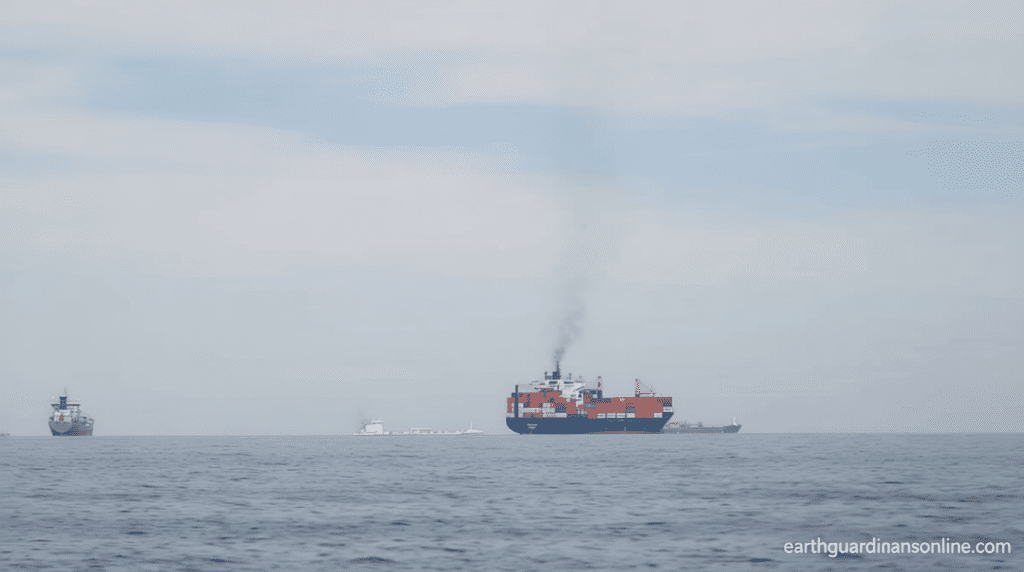
Iran has pledged to ‘ease the flow’ of humanitarian supplies via the Strait of Hormuz, according to its UN envoy in Geneva, Ali Bahreini. The announcement came on Friday, following Israeli air strikes that targeted two of Iran’s nuclear facilities. The aid plan marks the first positive development at the vital waterway since the onset of a month-long conflict.
Ambassador’s Statement
Bahreini confirmed Tehran’s acceptance of a UN request to allow essential aid and agricultural goods to pass through the strait. “This action highlights Iran’s dedication to supporting global humanitarian needs and ensuring timely delivery of critical resources,” he stated in a post on X, emphasizing the country’s commitment to aid logistics amid ongoing tensions.
“Attack contradicts POTUS extended deadline for diplomacy,” Iranian Foreign Minister Abbas Araghchi wrote on X, referring to U.S. President Donald Trump. “Iran will exact HEAVY price for Israeli crimes.”
Nuclear Facilities Targeted
The Iranian Atomic Energy Organisation reported that the Shahid Khondab Heavy Water Complex in Arak and the Ardakan yellowcake production plant in Yazd Province were struck. The strikes, carried out by Israel, did not result in casualties or radiation leaks, according to IRNA. The Arak plant had already been inoperational since June’s previous attack, while the Yazd facility processes raw materials for uranium enrichment.
IAEA’s Response
Following the strikes, the International Atomic Energy Agency reiterated its plea for “military restraint” to prevent a nuclear incident. IAEA Director General Rafael Grossi noted “no increase in off-site radiation levels” at the affected sites, adding that the agency remains vigilant about potential risks.
G7 Foreign Ministers’ Call
Diplomats from nations such as Pakistan and Turkey have sought to arrange a direct dialogue between U.S. and Iranian representatives. Separately, G7 foreign ministers convened in France and demanded an immediate cessation of attacks on civilian populations and infrastructure, underscoring international concern over the conflict’s humanitarian impact.
U.S. Military Deployment
Meanwhile, U.S. naval forces are approaching the region, accompanied by over 2,500 Marines and 1,000 paratroopers from the 82nd Airborne. These troops are deployed to secure strategic positions and airfields in the Middle East. Despite this, Secretary of State Marco Rubio asserted during the G7 summit that most U.S. objectives in the region are progressing “ahead of schedule” without the need for ground troops.
