
After Iran talks falter, the big question is ‘what happens next?’
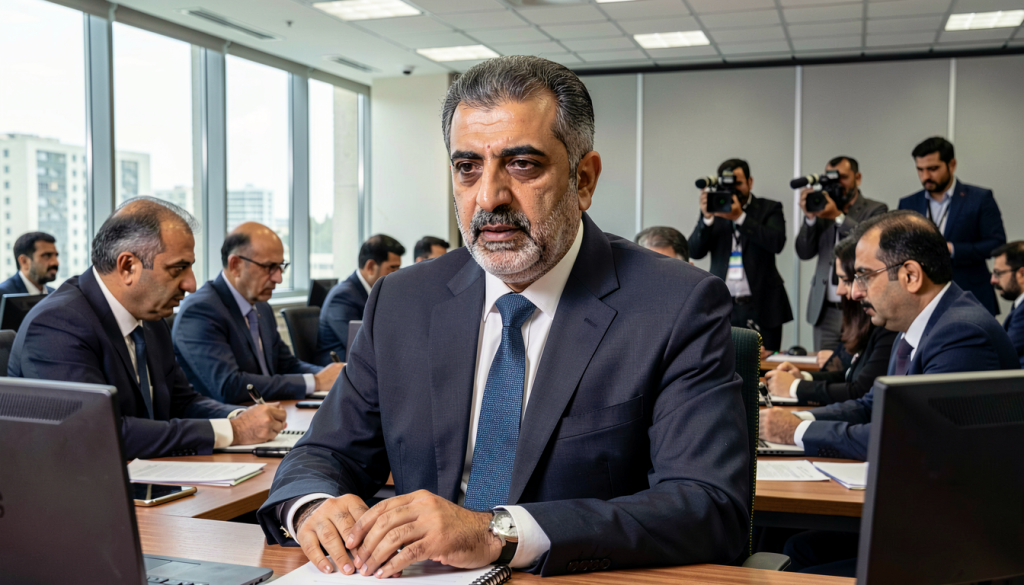
After Iran Talks Falter, the Big Question Is ‘What Happens Next?’
The 21-hour negotiation in Islamabad failed to bridge 47 years of tension between Iran and the United States. Despite the intensity of the discussions, held during a brief respite from ongoing conflict, the outcome was predictable. Labeling the extended talks as a setback overlooks the magnitude of the hurdles in resolving longstanding disputes and emerging challenges. These include deep-seated skepticism over Iran’s nuclear ambitions and the critical issue of its control over the Strait of Hormuz, a vital waterway whose closure has disrupted global trade.
A major obstacle was the persistent mistrust between the two nations. Just a day prior, it was uncertain whether the delegations would even meet. Breaking this political barrier was a significant achievement. Now, the focus shifts to the future: will the U.S. and Iran find a way to move forward, or will the talks mark a turning point toward renewed conflict?
A Tenuous Ceasefire
The two-week ceasefire, which temporarily halted escalating hostilities, remains under scrutiny. It prevented the U.S. from executing its threat to “wipe out a whole civilisation” in Iran. The success of this pause hinges on whether the U.S. will return its negotiators to the table. Reports from Islamabad suggest that discussions continued after Vice-President JD Vance departed, as he declared the U.S. team had made their “final and best offer.”
“We need to see an affirmative commitment that [Iran] will not seek a nuclear weapon and they will not seek the tools that would enable them to quickly achieve a nuclear weapon,” said Vance during a dawn news conference.
The Iranian delegation, led by parliamentary speaker Mohammad Bagher Ghalibaf, stated that “the opposing side ultimately failed to gain the trust of the Iranian delegation in this round of negotiations.” Meanwhile, Iran’s foreign ministry criticized the U.S. for “excessive demands and unlawful requests” on social media.
The Road to Agreement
Both sides arrived in Islamabad confident in their positions, believing they were on the right side of the conflict. They understood that failure meant the possibility of continued warfare, despite its toll on civilians and the global economy. Dr. Sanam Vakil of Chatham House noted a “limited psychological understanding of the adversary and what compromises are needed for a real deal” as a key factor.
During previous talks in February, Iran had proposed concessions such as reducing its 440kg stockpile of uranium enriched to 60%—a level close to weapons-grade. However, Iran has not agreed to relinquish this stockpile, now reportedly hidden in rubble from recent airstrikes. The U.S. also insists on Iran opening the Strait of Hormuz to ensure the uninterrupted flow of oil, gas, and other essential goods.
Pakistan’s Foreign Minister Ishaq Dar called for maintaining the fragile ceasefire, emphasizing the country’s commitment to fostering dialogue. This sentiment aligns with other global leaders who have expressed concern over the situation. Despite no definitive progress, the talks were described by journalist Kamran Yousef as “no breakthrough but no breakdown either,” highlighting the delicate balance between conflict and cooperation.
