
Butterfly numbers are dropping but here are five species you may see more of
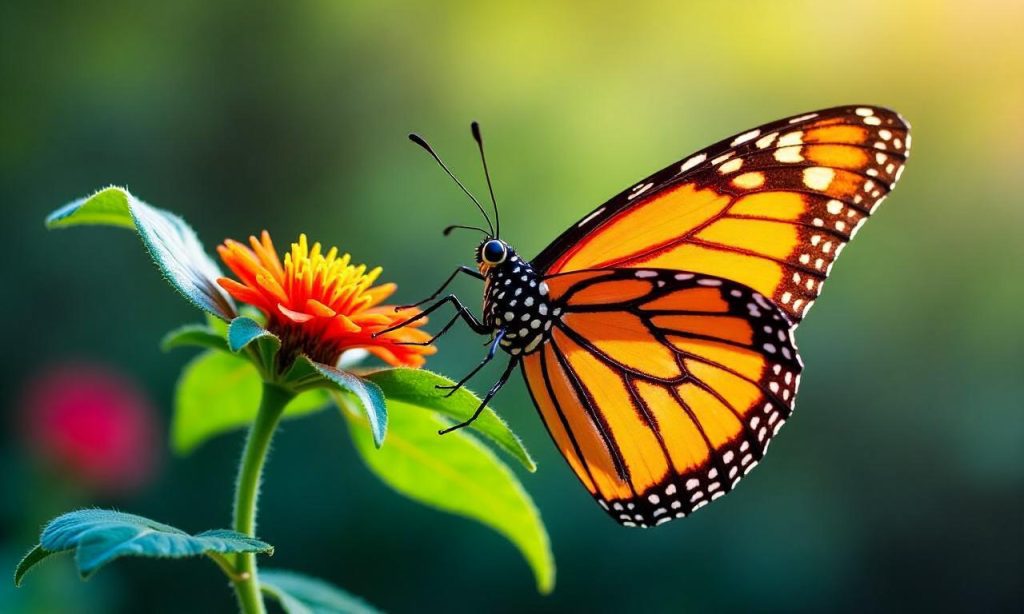
Butterfly Numbers are Declining, Yet Five Species Show Signs of Growth
The UK Butterfly Monitoring Scheme (UKBMS), a long-standing initiative tracking insect populations since 1976, reveals a mixed trend in butterfly populations over the past 50 years. While some species have thrived due to milder conditions linked to climate change, the broader picture highlights significant losses among the country’s most unique butterflies. More than 44 million records from 782,000 volunteer surveys underscore the scale of this effort, making it one of the most extensive citizen science projects focused on wildlife data.
A Growing Divide Between Species
The report highlights a divergence between adaptable butterflies and those reliant on specialized habitats. Species that survive in diverse environments, such as farmland, parks, and gardens, are showing resilience, with some even increasing in numbers. Warmer temperatures, associated with climate change, are aiding these adaptable insects by extending their breeding seasons and geographic reach. For instance, the Red admiral now spends winters in the UK, a shift made possible by rising temperatures.
“The data collected over five decades is extraordinary and sets a global benchmark for wildlife surveys,” said Prof Jane Hill, a butterfly expert at the University of York. “Since butterflies are cold-blooded, they respond directly to warming conditions, which allows them to expand their range further north.”
However, species dependent on specific ecosystems—like woodland clearings or chalk grasslands—are facing steep declines. These habitats are shrinking due to land-use changes and environmental degradation, leaving specialists with fewer places to thrive. The loss is stark: the white-letter hairstreak, known for its UV-reactive caterpillars, has seen an 80% drop in numbers since the survey began. Similarly, the pearl-bordered fritillary, whose caterpillars feed only on violets, has declined by 70%.
Conservation Success Stories
Despite the overall decline, several species are rebounding. The Orange tip butterfly, for example, has increased by over 40% since 1976, aided by conservation strategies. The Black hairstreak, once among the UK’s rarest, is also showing recovery. The Large Blue, which was declared extinct in 1979, has made a remarkable comeback thanks to targeted habitat restoration.
“We’ve lost variety and diversity in butterfly communities, much like traditional skills and family-run shops from our high streets,” remarked Prof Richard Fox, head of science at Butterfly Conservation. “This reflects the impact of simplified landscapes on wildlife diversity.”
Conservation efforts often focus on maintaining and expanding habitats critical for survival. For instance, the Magdalen Hill Downs reserve works to preserve a range of environments to support species with specific dietary needs. Some butterflies, like the Duke of Burgundy, depend solely on primroses and cowslips, while others, such as the purple emperor, require precise food sources like goat or grey willow.
Steve Wilkinson, director of the Joint Nature Conservation Committee, emphasized the importance of volunteer data: “Without this evidence timeline, we’d be flying blind. The consistency and quality of data from volunteers are essential for guiding conservation actions.”
