
In Qatar-mediated talks, Machado was not part of US plan for post-Maduro Venezuela, Qatari source says
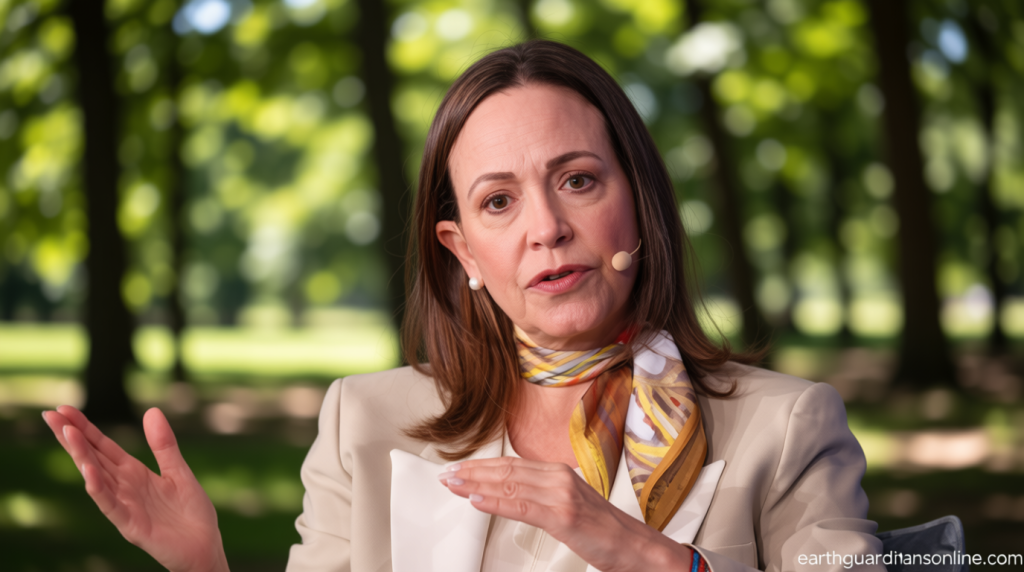
Qatar’s Mediated Discussions Leave Machado Out of US Vision for Post-Maduro Venezuela, Says Qatari Informant
In Qatar mediated talks Machado was not – As the United States prepared to execute a January raid aimed at apprehending former Venezuelan President Nicolás Maduro, a series of Qatar-led discussions took place between the two nations. These talks explored the potential landscape of Venezuela should Maduro step down from power. However, according to a Qatari source who shared insights with CNN, the vision outlined during these sessions did not incorporate the role of Maria Corina Machado, a prominent opposition leader and Nobel Peace Prize recipient. The source emphasized that neither US nor Venezuelan officials addressed Machado’s potential as a key figure in the transition, despite her strong backing for American intervention in the country and her vocal opposition to Maduro’s governance.
The Qatari source, speaking to CNN, described the talks as a strategic effort to bridge differences between Washington and Caracas. While the focus was on crafting a post-Maduro scenario, the absence of Machado from the discussion raised questions about her perceived influence in the US-led plan. The source noted that the negotiations centered on a range of topics, including economic reforms, political restructuring, and the conditions for Maduro’s exit. Yet, Machado’s name was not mentioned in any of these deliberations, despite her position as a unifying symbol for the opposition and her advocacy for a shift in power.
Weeks after Maduro’s capture, US President Donald Trump remarked to journalists that he believed Machado lacked the “sufficient support” among Venezuelans to lead a transition. This statement came amid growing speculation about the administration’s priorities in the post-Maduro era. Trump’s remarks were later echoed by White House press secretary Karoline Leavitt, who told CNN that the president’s view on Machado’s leadership capacity had “not changed” since the operation. The timing of these comments raised eyebrows, as Machado had previously met with Trump at the White House to present her Nobel Prize medal—a gesture of solidarity that highlighted her determination to shape the country’s future.
“She’s a leader with an out of this world support, and she’s got the support from almost every Venezuelan,” said Machado’s adviser, David Smolansky, at the time. This assertion stood in contrast to Trump’s skepticism, which had been expressed even before the raid. The Qatari source, however, remained confident that Machado’s grassroots appeal and political acumen made her a natural choice for a transition. Yet, the US administration appeared to prioritize other figures, including Vice President Delcy Rodríguez, in its planning.
Delcy Rodríguez, who took over as acting president following Maduro’s capture, had been engaged in diplomatic exchanges with the US through Qatar in the prior year. The Qatari source confirmed that Rodríguez’s role in these talks was more prominent, suggesting that her alignment with Washington’s interests played a part in her selection. Rodríguez’s involvement included several high-level meetings with Qatari Prime Minister and Foreign Minister Sheikh Mohammed bin Abdulrahman Al Thani, who served as a critical intermediary in the negotiations. These interactions, facilitated by Doha, were instrumental in shaping the terms of Maduro’s removal and the subsequent power vacuum.
Qatar’s role as a mediator between the US and Venezuela has been a recurring theme in the region’s political landscape. The Qatari source explained that Doha had been approached by both sides to mediate disputes, particularly during the Biden administration when initial discussions focused on prisoner exchanges and the release of detained Americans. The current talks, however, expanded the scope to include broader political and economic reforms. Despite its proactive efforts, Qatar was not privy to the specifics of the January 3 operation that led to Maduro’s capture. This lack of prior knowledge sparked debates about the transparency of the US mission and Qatar’s role as an intermediary.
Following the raid, Venezuela publicly acknowledged Qatar’s contributions, particularly in securing proof of Maduro’s whereabouts and enabling communication between the two governments. The Qatari source revealed that a temporary bank account was established in Doha at the request of the US to manage profits from Venezuelan oil sales. This financial arrangement, which allowed the US to control oil revenues, was later closed as part of the transition process. The move underscored the strategic interests of both parties in maintaining economic leverage while navigating political uncertainties.
Maduro and his wife, Cilia Flores, have been held in the Metropolitan Detention Center in Brooklyn since their capture. The couple, charged with drug and gun offenses, has pleaded not guilty, with their legal team working to build a defense. The US government, after weeks of deliberation, eventually agreed to fund their defense, a decision that some analysts interpreted as an effort to legitimize the legal process and avoid accusations of political bias. Meanwhile, the interim leadership of Rodríguez has been tasked with stabilizing the nation, though her role remains a subject of debate within Venezuela’s opposition circles.
CNN has sought comments from the White House regarding the Qatar-mediated talks and the selection of Rodríguez as the interim leader. The administration has not yet issued an official statement, leaving room for speculation about its rationale. The Qatari source, however, provided a clear narrative: the US prioritized a pragmatic approach, favoring leaders with established ties to Washington over more ideologically driven figures like Machado. This decision reflects broader tensions between the US’s strategic interests and the aspirations of Venezuela’s opposition movement.
As the political situation in Venezuela evolves, the role of Qatar as a mediator has become increasingly significant. The country’s diplomatic efforts have helped facilitate dialogue between opposing factions, even as the US seeks to consolidate its influence. The absence of Machado from the initial plans raises questions about whether her vision for a more democratic Venezuela will still find a place in the country’s future. While the interim government moves forward, the debate over leadership and transition continues to shape the nation’s trajectory.
The Qatari source also noted that the talks included discussions on the potential for a power-sharing agreement, though such a framework was never formally established. Instead, the focus shifted to a clear path for Maduro’s removal, with the US emphasizing a quick transition to avoid prolonged instability. This approach, while efficient, has sparked concerns about the inclusivity of the process. As the interim administration takes hold, the question remains: will the voices of Venezuela’s opposition, including Machado’s, be heard in the shaping of the country’s next chapter?
In the weeks leading up to Maduro’s capture, the Qatari mediation efforts were seen as a bridge between the US and the Venezuelan government. The talks, held in Doha, were intended to create a framework for a peaceful transition. However, the final outcome appears to have diverged from the initial discussions, with Machado’s leadership sidelined. This development has not gone unnoticed by Venezuelans, who continue to scrutinize the choices made by the US and its allies in the post-Maduro era. For now, the focus remains on the interim government’s ability to address the nation’s challenges and restore confidence in its institutions.
