
Judge declares a mistrial in Harvey Weinstein’s rape retrial after jury is unable to reach a verdict
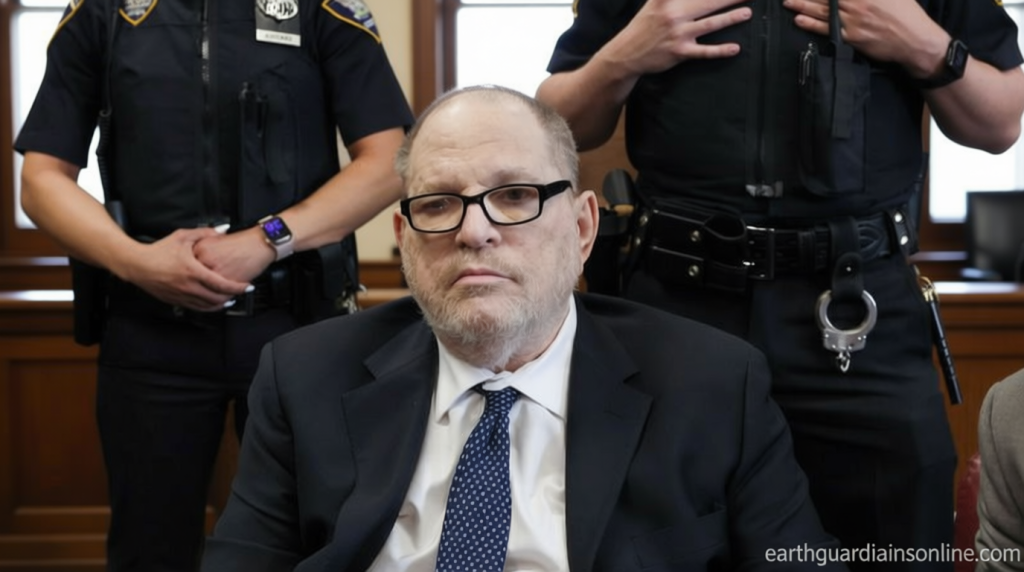
Judge Declares Mistrial in Harvey Weinstein’s Rape Retrial
Judge declares a mistrial in Harvey – The judge declared a mistrial in Harvey Weinstein’s retrial for rape, ending the second attempt to secure a verdict from the jury. This outcome follows a deadlock among the twelve jurors, who were unable to reach a unanimous decision on the key charge. The decision signals another challenge in Weinstein’s legal journey, as the case remains unresolved despite multiple trials. The mistrial underscores the difficulty of proving sexual assault in high-profile cases, especially under the scrutiny of the #MeToo movement. Weinstein, the once-powerful Hollywood producer, was led out of court in a wheelchair, a quiet but symbolic conclusion to this prolonged legal battle.
A New Trial, New Challenges
Weinstein’s retrial, which began in early May, centered on the allegations against him involving Jessica Mann, a hairstylist and actor. The jury, composed of a majority of men, deliberated for three days before the stalemate emerged. Prosecutors had presented Mann’s testimony as a cornerstone of the case, emphasizing her account of a 2013 incident where she claimed to be raped during a relationship. However, the defense contested the narrative, arguing that the encounter was consensual and highlighting Mann’s later interactions with Weinstein. The judge’s decision to declare a mistrial in Harvey Weinstein’s case leaves the legal team to reassess their strategy for a potential fourth trial.
Throughout the retrial, the judge’s declaration of a mistrial in Harvey Weinstein’s case became a recurring theme, reflecting the jury’s struggle to reconcile conflicting evidence. The prosecution had stressed the power dynamics in the relationship, while the defense focused on Mann’s perceived ambiguity. This trial marked the third time the charge was brought to a jury, with each attempt facing similar hurdles. The mistrial highlights the evolving standards in sexual assault trials and the role of public perception in shaping legal outcomes.
The Survivor’s Role and Public Perception
Jessica Mann, 40, testified for over three weeks, detailing the events of 2013 when she was 24. Her account described a series of sexual advances that escalated to rape after she expressed resistance. Mann’s testimony, though compelling, was met with skepticism, as the defense questioned her credibility. In a
“I felt fear and helplessness during that encounter,”
she acknowledged the emotional complexity of the moment. By 2017, her public identification as a survivor amplified the case’s significance, even as the Associated Press initially avoided naming accusers. The judge’s declaration of a mistrial in Harvey Weinstein’s case now places renewed focus on the narrative surrounding her experience.
The retrial also brought attention to the broader impact of the #MeToo movement. Its founder, who has championed survivors’ voices, noted how the case became emblematic of the movement’s push for accountability. Despite the judge’s declaration of a mistrial in Harvey Weinstein’s case, the legal proceedings continue to reflect the cultural shift toward recognizing sexual misconduct. The prosecution and defense both acknowledged the movement’s influence, with the judge’s declaration of a mistrial in Harvey Weinstein’s case serving as a testament to the case’s enduring public interest.
Legal History and the Road Ahead
Weinstein’s legal saga has been defined by both conviction and reversal. He was initially convicted in 2020 for multiple sex crimes, including the charge against Mann, but the appeals court overturned the verdict in 2023. This led to the judge’s declaration of a mistrial in Harvey Weinstein’s case, now entering its third trial. The retrial’s failure to produce a verdict has reignited discussions about the evidence’s sufficiency and the challenges of jury consensus. Prosecutors must now determine whether to pursue a fourth trial, with the judge’s declaration of a mistrial in Harvey Weinstein’s case acting as a pivotal moment in the case’s trajectory.
With the judge’s declaration of a mistrial in Harvey Weinstein’s case, the legal team faces a critical juncture. The outcome could affect the momentum of the case, but it also reinforces the need for clear evidence in sexual assault trials. Weinstein’s legal team has emphasized the judge’s declaration of a mistrial in Harvey Weinstein’s case as a sign of the jury’s indecision, while prosecutors argue the case remains strong. The next steps will depend on the strength of the evidence and the potential for a new jury to overcome the previous stalemates, ensuring the judge’s declaration of a mistrial in Harvey Weinstein’s case does not mark the end of the story.
