
Tracking oil prices and US gas prices amid Iran conflict
Tracking Oil Prices and US Gas Prices Amid Iran Conflict
Global Market Reactions to Geopolitical Tensions
Tracking oil prices and US gas prices – The recent escalation of hostilities between the United States and Iran has sent ripples through global energy markets, pushing crude oil prices to new heights. As tensions simmered, fears of supply disruptions led investors to bid up the value of oil, anticipating potential bottlenecks in production or transportation. However, the situation has shifted in recent weeks with the announcement of a peace plan between the two nations, prompting a steady decline in oil prices. This development has sparked renewed interest in the stability of key oil routes, particularly the Strait of Hormuz, which remains a critical artery for global crude oil shipments.
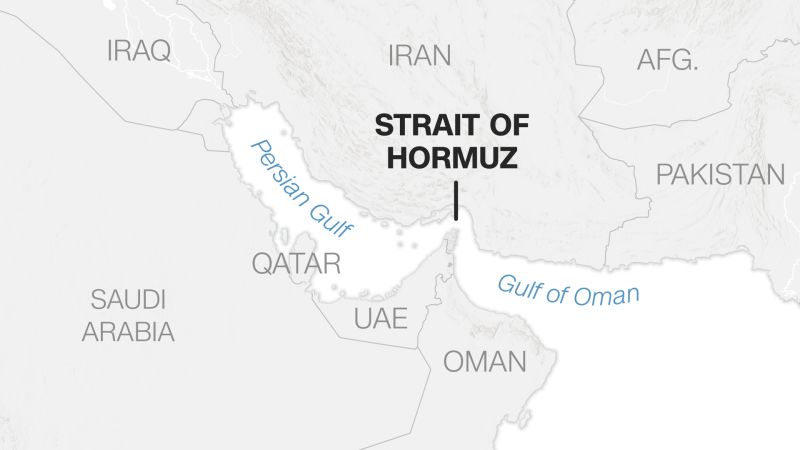
The Strait of Hormuz, a narrow waterway located between the Persian Gulf and the Arabian Sea, accounts for roughly 20% of the world’s oil supply. Its strategic importance has made it a focal point during the ongoing conflict, with both sides vying for control over this vital passage. Analysts have warned that while the peace agreement signals a temporary reprieve, it may take time for shipping lanes to fully normalize. Iran’s commitment to opening the strait completely has been a key factor in easing concerns, but experts caution that logistical challenges and security threats could still linger.
Impact on US Gasoline Prices
As oil prices stabilize, the ripple effect has been felt at the pump for American consumers. Gasoline prices, which had previously surged to their highest levels in over three years during the conflict, have begun to decline. According to data from the American Automobile Association (AAA), the average price for a gallon of regular gas has now dropped below $4, marking a significant rebound from earlier peaks. This trend aligns with the broader economic context, as reduced oil volatility has led to a more predictable pricing environment for drivers across the country.
However, the journey to affordability has not been linear. The initial spike in prices during the conflict reflected heightened fears of supply shocks, with traders locking in futures contracts to hedge against potential disruptions. The peace plan, signed earlier this month, has provided some relief, but the effects have taken time to materialize in the retail market. For instance, the drop below the $4 threshold occurred in June, following the agreement’s ratification, a development that has been welcomed by motorists and economists alike.
Tracking the Flow Through the Strait of Hormuz
CNN has been closely monitoring the movement of oil tankers through the Strait of Hormuz, using real-time data and visualizations to track changes in traffic patterns. This effort has been crucial in providing transparency about the evolving situation, which directly influences global energy markets. The strait’s reopening has been accompanied by a noticeable increase in the number of vessels navigating the route, though not all have returned to pre-conflict levels. Some shipping companies remain cautious, citing the need for additional security measures and the lingering possibility of future incidents.
Maps and charts illustrating the strait’s traffic have become essential tools for understanding the dynamics at play. These visuals highlight the volume of crude oil transported daily, the distribution of vessels across different routes, and the impact of geopolitical decisions on commercial activity. By analyzing such data, experts can project the potential effects on oil prices and, consequently, on the broader US economy. The interplay between geopolitical stability and market forces continues to shape the outlook for fuel costs, with the strait’s capacity serving as a barometer for global energy security.
Regional Variations in Gas Price Trends
While the national average has dipped below $4, regional disparities persist, reflecting the complex interplay of local factors such as refinery operations, state taxes, and distribution networks. CNN’s tracking initiative has revealed that some states have seen a more pronounced decline in prices, while others remain closer to the higher end of the range. For example, in states like California and New York, where taxes and transportation costs are typically higher, the average price has not yet reached the same level as in the Midwest or Southeast.
These variations underscore the multifaceted nature of gasoline pricing. Although the overall market has stabilized, individual markets are influenced by a combination of global trends and domestic policies. The peace plan’s impact on oil prices has been a positive development, but it is not the sole determinant. Ongoing domestic production, the behavior of OPEC members, and the demand for fuel in different sectors also play a role in shaping the final price consumers pay. As a result, the path to price normalization is expected to be gradual, with regional adjustments continuing to shape the landscape.
Experts emphasize that the current stability is a temporary relief, with the potential for volatility resurfacing if new tensions emerge. The Strait of Hormuz remains a linchpin in the global energy supply chain, and any disruption—whether from political decisions, military actions, or natural events—could send prices soaring again. This underscores the importance of continuous monitoring and the need for a diversified approach to energy security. For now, the gradual decline in oil and gas prices offers a welcome reprieve, but the lessons from the conflict serve as a reminder of the delicate balance that governs the market.
In the wake of the peace agreement, the focus has shifted to assessing the long-term implications for energy markets. While the immediate effects are positive, analysts are closely watching for signs of renewed instability, particularly in the Middle East. The reopening of the Strait of Hormuz is seen as a critical step toward restoring normalcy, but its success depends on sustained diplomatic efforts and the cooperation of regional stakeholders. As the situation evolves, the interplay between geopolitical factors and economic indicators will remain a key area of study for energy professionals and policymakers.
Consumers, too, are adapting to the changing environment. With the national average hovering near $4 per gallon, many are taking advantage of the lower prices by planning trips or stockpiling fuel. However, the cost of gasoline is still a significant factor in household budgets, and any further fluctuations could have a noticeable impact. The AAA’s data provides a snapshot of the current situation, but it also highlights the need for vigilance, as the market remains sensitive to external shocks.
As the peace plan takes hold, the energy sector is poised for a period of adjustment. The decline in oil prices has created a more favorable environment for consumers, but it has also affected the profitability of oil-producing companies and the strategies of energy traders. The interdependence of global markets means that developments in one region can have far-reaching consequences, and the Strait of Hormuz remains a prime example of this phenomenon. With the current stability, the focus is on maintaining it, ensuring that the gains made thus far are not undone by new uncertainties.
“The peace agreement between the US and Iran has provided a critical moment of relief, but the market is still in a state of transition. While oil and gas prices have dropped, the potential for future volatility remains,” says CNN’s Chris Isidore, who contributed to this report.
As the world watches the unfolding developments in the Middle East, the energy market continues to serve as a bellwether for global economic conditions. The interplay between geopolitical events and commodity prices has shown that even small changes can have significant consequences. By tracking these trends, CNN aims to provide clarity and context for consumers, businesses, and policymakers alike. The next few weeks will be key in determining whether the current stability is a lasting trend or a temporary setback in the ongoing struggle for energy security.
In summary, the recent peace plan between the United States and Iran has led to a noticeable decline in oil and gas prices, offering relief to consumers and businesses. However, the road to sustained affordability is not without challenges, as the market remains influenced by a range of factors. The Strait of Hormuz, once a source of concern, is now being closely monitored to ensure that its full capacity is restored. With the national average at $4 per gallon, the focus is on maintaining this trend while addressing the underlying dynamics that drive energy prices.
