
‘Won’t be anything left’: Trump issues warning to Iran after national security team meeting
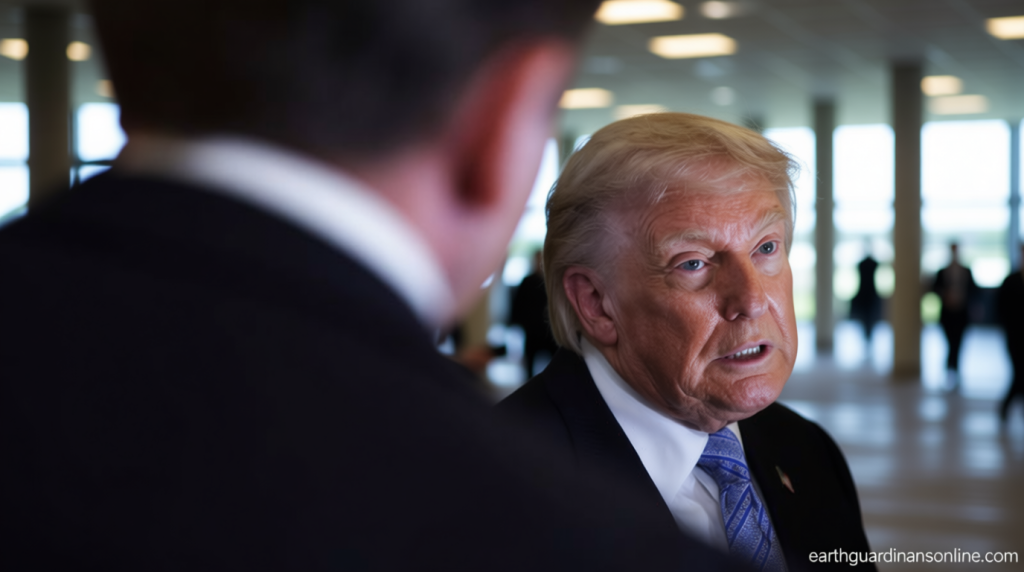
‘Won’t be anything left’: Trump Issues Warning to Iran After National Security Team Meeting
Won t be anything left – President Donald Trump met with key members of his national security team on Saturday to deliberate on the trajectory of the conflict with Iran, according to a source close to the session. The discussion took place at his Virginia golf club, a day prior to his declaration that Tehran “better get moving, FAST, or there won’t be anything left of them.” This statement, shared on Truth Social, underscores Trump’s growing urgency over the situation.
Strategic Context and Diplomatic Tensions
Trump’s warning comes amid rising tensions between the United States and Iran, particularly regarding the ongoing closure of the Strait of Hormuz. The waterway, a critical artery for global oil shipments, has been a flashpoint for weeks, with Iran’s actions disrupting maritime traffic and inflating energy prices worldwide. The president’s frustration with Tehran’s diplomatic stance has intensified, as he perceives the country’s reluctance to negotiate as a threat to regional stability.
“For Iran, the Clock is Ticking, and they better get moving, FAST, or there won’t be anything left of them. TIME IS OF THE ESSENCE!” President DJT
The meeting included Vice President JD Vance, Secretary of State Marco Rubio, CIA Director John Ratcliffe, and special envoy Steve Witkoff. These officials have been pivotal in shaping the administration’s approach to the Iran crisis, with Trump seeking clarity on how to proceed. The session follows his recent high-stakes trip to China, where he engaged with President Xi Jinping on a range of global issues, including the Iranian situation.
Patience Waning in Diplomatic Talks
Trump’s impatience with Iran’s diplomatic posture has become more pronounced. During his visit to Beijing, he delayed decisions on military action, aiming to observe the outcomes of negotiations with China. The U.S. and Iran have long-standing ties with Beijing, which has acted as an intermediary in recent talks. However, the lack of progress in Tehran’s willingness to compromise has left Trump skeptical about the viability of continued diplomacy.
Despite his preference for a diplomatic resolution, Trump has reconsidered the possibility of resuming major combat operations in Iran. This shift reflects his desire to exert pressure on the regime, forcing it into a position where it must concede. The administration has kept this strategy under wraps, with officials citing the need to evaluate the broader geopolitical landscape before committing to aggressive measures.
Military Readiness and Targeted Strikes
The Pentagon has been preparing contingency plans in anticipation of potential strikes against Iran. These include focused attacks on energy and infrastructure sites, which could cripple the country’s ability to sustain its military operations and economic activities. The plans are part of a broader strategy to send a clear message to Tehran, emphasizing the U.S.’s readiness to escalate tensions if diplomatic efforts fail.
During the meeting, Trump’s team likely discussed the logistical and strategic aspects of these plans. While the military options remain a last resort, they are being framed as a necessary tool to achieve a swift resolution. The White House has not yet made a formal statement, but the internal deliberations suggest a growing inclination toward decisive action.
U.S.-Iran Dynamics and Regional Influence
Iranian officials have consistently criticized the United States for its perceived role in destabilizing the Middle East. In a recent address, President Masoud Pezeshkian of Iran highlighted this sentiment, stating that the U.S. and Israel “have always tried to pit Islamic nations against one another through divisive projects and by fostering distrust.” This view contrasts with Trump’s stance, which emphasizes the need for Iran to demonstrate flexibility in negotiations.
Meanwhile, the U.S. remains determined to assert its influence in the region. The closure of the Strait of Hormuz has been a key issue, with Trump accusing Iran of undermining global energy security. The administration’s frustration is compounded by the fact that Tehran has not shown significant willingness to ease its grip on the waterway, despite repeated calls for cooperation.
International Mediation and Coalition Efforts
Pakistan has played a central role in mediating U.S.-Iran peace talks, with its interior minister, Mohsin Naqvi, meeting Iranian officials on Sunday. The country’s strategic position and historical ties with both the U.S. and Iran make it a crucial player in the ongoing dialogue. However, the recent meetings have not yielded new concessions from Tehran, which continues to resist pressure.
Iranian media reported that the discussions with Pakistan were part of broader efforts to explore alternatives to military conflict. Despite these overtures, there are no indications that Iran’s leadership is prepared to back down. The regime has maintained its position, arguing that the U.S. must prioritize its regional allies and reduce its military footprint to foster lasting stability.
Engagement with Israel and Future Plans
Trump also held a Sunday conversation with Israeli Prime Minister Benjamin Netanyahu, further solidifying the alliance between the two nations. This interaction highlights the shared interests in countering Iranian influence, particularly in the context of the ongoing conflict in the Gulf. A U.S. official confirmed the call, noting its significance in aligning strategies with Israel’s military and political goals.
The administration is expected to reconvene with its national security team early this week to finalize next steps. The timing of this meeting suggests that Trump is eager to act quickly, possibly leveraging the momentum from his China trip. The decision to escalate could have far-reaching consequences, affecting not only Iran but also global markets and regional alliances.
The White House’s approach to the Iran crisis reflects a blend of military preparedness and diplomatic diplomacy. While Trump has expressed a preference for settling the conflict through negotiations, the increasing pressure from both the U.S. and its allies has pushed him toward more assertive measures. The upcoming meeting will likely determine whether the administration will pursue a combination of both approaches or commit to a more aggressive path.
As the situation in the Strait of Hormuz remains volatile, the international community watches closely. The potential for further strikes or military confrontations could reshape the balance of power in the region. For Iran, the warning from Trump signals that time is running out, and any delay in addressing U.S. demands may lead to irreversible consequences.
CNN’s Aida Karimi and Issy Ronald provided additional insights into the developments, confirming the details of the meeting and the ongoing discussions with Chinese and Israeli officials. The article’s publication highlights the importance of the Iran conflict in the broader geopolitical landscape, with Trump’s actions serving as a focal point for both allies and adversaries.
In summary, the meeting at Trump’s Virginia golf club marks a pivotal moment in the U.S.-Iran standoff. With military options on the table and diplomatic talks stalled, the president is signaling that Iran must take decisive action to avoid further escalation. The next steps will depend on whether Tehran is willing to adapt its strategy or continue its current course, with the potential for significant consequences looming over the region.
