
Ukraine claims it killed scores of Russians in two strikes in occupied eastern region
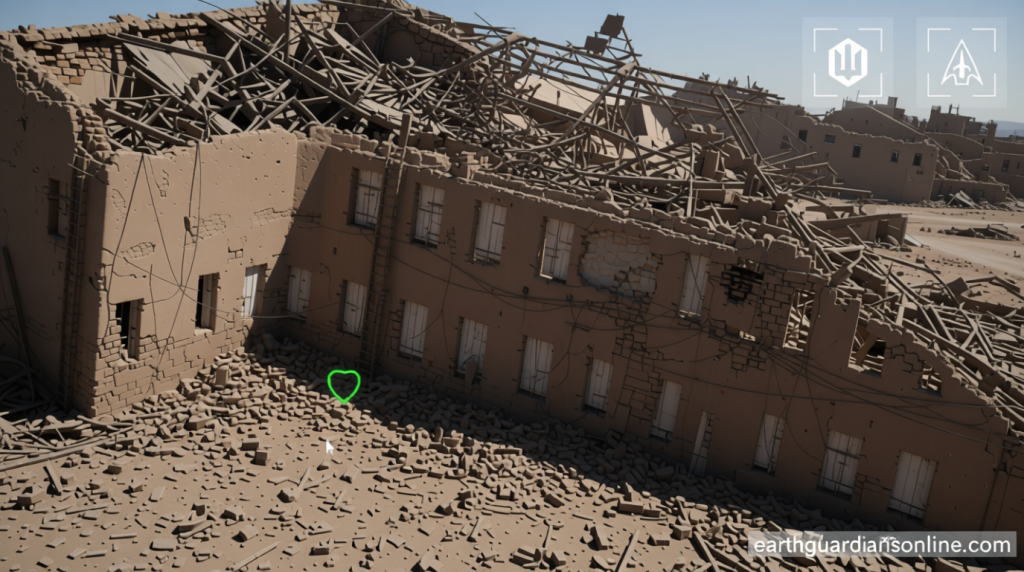
Ukraine Claims Success in Strikes Targeting Russian Infrastructure in Eastern Region
Ukraine claims it killed scores of Russians – Amid escalating tensions in the occupied eastern region of Ukraine, the country has reported significant Russian casualties in two recent strikes, marking a shift in its military strategy. According to the commander of Ukraine’s Unmanned Systems Forces, Robert Brovdi, the first attack struck a Russian drone pilot training facility in Snizhne, resulting in the deaths of at least 65 trainees and an instructor. The second strike, which targeted a Russian security service headquarters and an air defense system in the Kherson region, led to nearly 100 Russian deaths and injuries, as claimed by Ukrainian President Volodymyr Zelensky. While Zelensky provided details about the second incident, he omitted the exact timing, leaving the precise moment of the attack unspecified.
Strategic Shift in Drone Operations
These strikes represent a new phase in Ukraine’s aerial warfare, focusing on mid-range drone attacks that disrupt Moscow’s logistical networks. Previously, Kyiv had concentrated on short-range strikes near the front lines and long-range assaults deep within Russia. The recent emphasis on mid-range operations targets supply routes and command centers, which are critical for sustaining Russian military efforts. The Institute for the Study of War (ISW), a US-based conflict analysis group, noted that Ukraine has managed to reclaim more territory than Russia has seized in the past month, though Moscow still controls approximately 20% of the nation’s land.
Brovdi detailed the specifics of the Snizhne strike, describing it as an attack on a 2,484-square-meter complex housing drones, explosives, and a command post. He shared footage depicting one-way attack drones hitting a building, with visible damage intensifying after each hit. This video, posted online, appears to confirm the strike’s intensity. Additionally, other media clips from the same night showed a building engulfed in flames in Snizhne, which CNN has geolocated to the area of the drone training academy. Zelensky also released footage illustrating the destruction of multiple structures, aligning with his claims of hitting the Russian FSB headquarters and an air defense system.
“The drone academy strike targeted a key logistical hub, significantly impacting Russia’s ability to operate in the region,” said Brovdi, underscoring the strategic importance of the site.
Further strikes occurred overnight, targeting the Syzran oil refinery in Russia’s Samara region, over 800 kilometers from the Ukraine-Russia border. Zelensky mentioned that two family members of a Russian soldier who fought in Ukraine were among the casualties. This attack, along with others in the western border areas, compelled Russian air defenses to intercept 121 Ukrainian drones, according to the Russian Defense Ministry. Meanwhile, Ukrainian authorities confirmed that at least five people were killed and 41 injured in Russian attacks on Ukraine during the same period.
The Russian military has responded to these developments by highlighting its own advances. The Defense Ministry claimed gains on the front line, suggesting a temporary advantage in the conflict. Separately, Moscow announced the delivery of nuclear munitions to storage sites in Belarus as part of a large-scale nuclear forces exercise. This move was part of a joint training session led by Russian President Vladimir Putin and Belarusian leader Alexander Lukashenko via video call, as reported by the Kremlin. The exercises reportedly focused on enhancing coordination between Russia’s nuclear capabilities and its allies along the western front.
Despite these claims, the scale of casualties reported by Ukraine remains a subject of scrutiny. CNN noted that the high casualty figures are unusual and has yet to independently verify them. The network is seeking comments from Russian officials to assess the accuracy of the Ukrainian assertions. Analysts suggest that the mid-range strike strategy, while effective in disrupting supply lines, has not yet reversed the overall balance of power in favor of Kyiv. However, the recent success in stalling territorial losses and reclaiming land has bolstered Ukraine’s position in the war.
As the conflict continues, both sides are leveraging new tactics to gain the upper hand. Ukraine’s focus on mid-range drones reflects its growing technological prowess and the ability to strike deeper into Russian territory. Meanwhile, Russia’s nuclear deployments in Belarus signal a broader effort to consolidate its military presence and deter potential Western interventions. The Syzran refinery attack, in particular, highlights the vulnerability of Russia’s energy infrastructure to targeted strikes, even in remote regions.
The impact of these strikes extends beyond immediate casualties. By damaging a drone training academy, Ukraine has reportedly weakened Russia’s capacity to deploy and maintain its unmanned systems, which are vital for surveillance and combat operations. The destruction of air defense systems in Kherson also threatens Moscow’s ability to monitor and respond to attacks in the south, a region of strategic importance due to its proximity to the Black Sea and critical infrastructure.
Yet, the effectiveness of these attacks remains a topic of debate. While Ukrainian forces have demonstrated improved precision, the Russian Defense Ministry’s assertion of front-line gains suggests that the war’s momentum may still favor Moscow in certain areas. The ISW analysis underscores that although Ukraine has made territorial progress, the overall situation remains complex, with Russia maintaining control over a substantial portion of the country. This dynamic raises questions about the sustainability of Kyiv’s recent successes and the potential for future shifts in the conflict’s trajectory.
Moreover, the use of social media to broadcast attack footage has become a key tool in shaping public perception. Brovdi’s release of visual evidence of the Snizhne strike, alongside Zelensky’s images of damaged buildings, aims to reinforce Ukraine’s narrative of strategic progress. These media efforts are designed to galvanize domestic support and pressure international allies to provide further assistance. However, they also invite criticism from Russian officials, who may dispute the claims or question the authenticity of the footage.
As the war enters a new phase, the balance of power is shifting. Ukraine’s ability to conduct mid-range strikes has allowed it to challenge Russian supply chains and reduce the effectiveness of its military infrastructure. This development is significant given the prolonged nature of the conflict and the increasing reliance on drones for reconnaissance and attacks. The success in targeting the Syzran refinery, for instance, demonstrates that Ukrainian forces can strike even distant locations, expanding their operational reach.
Russia’s response to these attacks includes both defensive measures and offensive assertions. The Defense Ministry’s focus on front-line gains suggests a determination to hold ground despite Ukrainian advances. The nuclear munitions deployed in Belarus further indicate Moscow’s willingness to escalate tensions, possibly preparing for a broader conflict scenario. These actions align with the broader goal of consolidating strategic advantages and ensuring a strong position in the event of prolonged warfare.
In summary, Ukraine’s recent strikes highlight a strategic evolution in its approach to the war, emphasizing mid-range capabilities to disrupt Russian logistics and infrastructure. While the casualty figures remain unverified, the attacks have sent a clear message about the potential for Ukrainian forces to challenge Moscow’s dominance. As both sides continue to adapt their tactics, the conflict remains a fluid and unpredictable battlefield, with each new development shaping the narrative of the war’s outcome.
CNN’s coverage of these events relies on multiple sources, including statements from Ukrainian officials and social media footage. The network’s correspondent, Ivana Kottasová, and Katya Krebs contributed to the reporting, ensuring a comprehensive analysis of the strikes’ impact. The combination of real-time visuals and official claims provides a detailed picture of the conflict’s unfolding, even as verification processes continue. The story of Ukraine’s attacks serves as a reminder of the evolving nature of modern warfare, where precision and psychological impact play as crucial a role as physical destruction.
