
How bushmeat, burial rites and disinformation make the DRC an Ebola hotspot
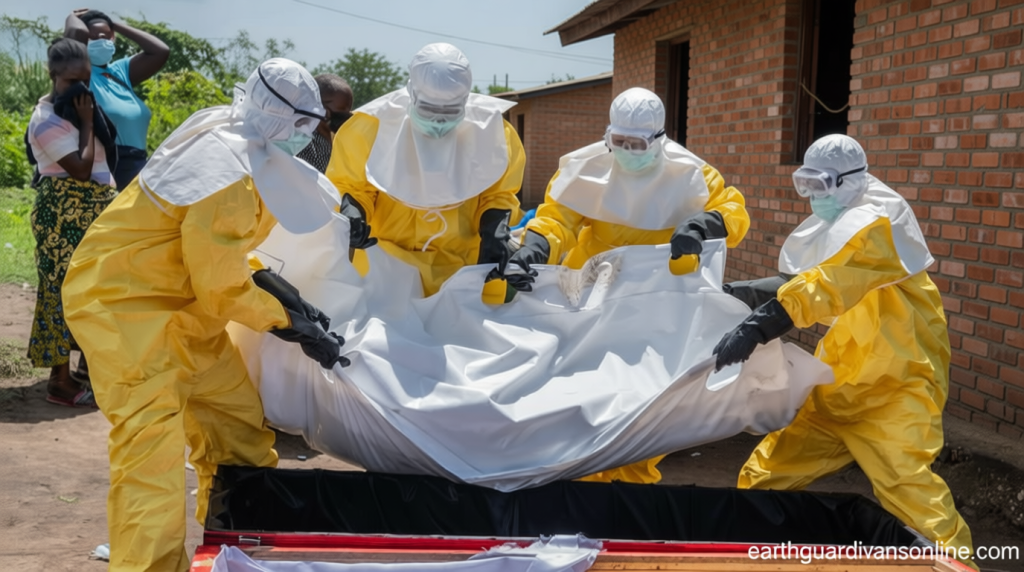
Democratic Republic of Congo Faces New Ebola Outbreak Amid Persistent Challenges
How bushmeat burial rites and disinformation – The Democratic Republic of Congo (DRC) continues to grapple with a severe Ebola outbreak, which has already claimed over 100 lives and escalated into a global health crisis. This strain of the virus, now identified as the Bundibugyo variant, has emerged as a significant threat due to a combination of factors: traditional practices, environmental conditions, and the spread of misinformation. Despite the nation’s long history with the virus, recent cases highlight the complex interplay of cultural, geographical, and social elements that sustain the disease’s resurgence.
Historical Context of Ebola in the DRC
First detected in the DRC in 1976, Ebola has since become an endemic concern in the region. The country has experienced 17 outbreaks, more than any other nation in the world, underscoring its vulnerability. A particularly devastating wave between 2018 and 2020 resulted in over 2,299 fatalities, drawing international attention to the virus’s impact. While the Zaire strain, which is more prevalent, has seen vaccines and treatments developed, the Bundibugyo form remains largely unaddressed. This lack of medical interventions complicates efforts to curb its spread, especially in areas where healthcare infrastructure is limited.
Ebola is transmitted primarily through contact with the blood or bodily fluids of infected wildlife. The World Health Organization (WHO) identifies animals such as fruit bats, porcupines, and non-human primates as potential reservoirs of the virus. Human exposure often occurs during activities like hunting or consuming bushmeat, a dietary staple in many rural communities. The virus then spreads rapidly between people through direct contact with bodily fluids or contaminated surfaces. This cycle is exacerbated by the DRC’s dense forests, which provide both habitat for wildlife and a pathway for human-animal interaction.
Geographical and Cultural Factors Fueling the Outbreak
The DRC’s geography plays a critical role in sustaining Ebola outbreaks. Over 60% of the nation is covered by vast, unbroken woodlands, creating an ideal environment for the virus to thrive. In the Congo Basin, the world’s second-largest rainforest, bushmeat accounts for up to 80% of the local protein intake. For many rural residents, hunting wild animals is not a choice but a necessity, driven by economic hardship and limited access to other food sources. Eteni Longondo, a former DRC health minister, emphasizes that these traditional practices are deeply ingrained in the community’s way of life, making regulation a formidable challenge.
“It starts from the forest, and we don’t have any control there,” Longondo explained to CNN. “Traditional hunting habits cannot be changed overnight. You cannot tell people to stop with their culture, and then they just stop right away. They are still eating them because they don’t have another alternative.”
Despite the risks, bushmeat remains a vital part of the DRC’s food culture. The virus’s transmission often begins when humans come into contact with infected animals, such as monkeys, grasscutters, and antelopes. Once inside a community, the virus spreads swiftly, fueled by close living conditions and limited awareness of hygiene practices. The current outbreak, concentrated in the northeastern Ituri Province, is part of this ongoing pattern. The provincial capital of Bunia and nearby mining towns like Mongwalu and Rwampara have become epicenters of the epidemic, with the first suspected case traced to a healthcare worker in late April.
Impact of Conflict and Poverty on Virus Spread
Compounding the challenges of combating Ebola are the effects of poverty and conflict in the DRC. Over 80% of the nation’s 100 million citizens live in extreme poverty, a condition worsened by ongoing armed rebellions in the east. In South Kivu province, where rebels have controlled key areas, the situation has deteriorated further. A recent announcement confirmed an Ebola case in Bukavu, a city under rebel governance, with the patient dying before being buried safely. A separate case was also reported in Goma, the largest city in the eastern region, which remains under rebel occupation.
These conflicts have disrupted healthcare systems and created displacement crises, leaving communities with limited resources to respond to the outbreak. The rebel groups have reported that the affected individuals had no prior connection, suggesting that the virus is spreading independently of human-to-human transmission. The presence of armed groups also complicates containment efforts, as they may not prioritize public health measures or facilitate communication between affected regions.
Disinformation and Superstition Amplify Panic
While the physical spread of the virus is well-documented, the psychological toll of the outbreak is equally significant. Valet Chebujongo, a community mobilizer in Bunia, attributes the growing fear to a mix of disinformation and superstition. “People are panicking,” he said, noting that the terror is not solely from the disease itself but from myths that circulate within local populations. For instance, some in Mongwalu believe in a “phantom coffin” that causes instant death upon mere sight, leading to distrust of medical professionals and hindered containment strategies.
Such beliefs are not uncommon in regions with limited access to education or scientific knowledge. Misinformation spreads quickly in areas where communication channels are weak, often leading to stigma against those infected. In Bunia, for example, rumors have led to the abandonment of traditional burial practices, which are a primary method of virus transmission. The WHO has highlighted the need for culturally sensitive education to combat these misconceptions, as they directly contribute to the virus’s persistence.
International Response and Cross-Border Concerns
The global health community has responded swiftly to the DRC’s current crisis, with the World Health Organization (WHO) playing a central role in identifying and tracking the outbreak. A rapid response team conducted an investigation, confirming the Bundibugyo strain on May 15 after earlier reports of an “unidentified illness” in South Kivu. The virus has now reached neighboring Uganda, where two cases were verified in Kampala. These cases, though isolated, signal the potential for regional spread, raising alarms about the need for coordinated international efforts.
Experts warn that without immediate action, the DRC could face another wave of fatalities. The Bundibugyo strain’s lack of approved treatments or vaccines makes it particularly dangerous. In the absence of medical solutions, the focus must shift to prevention. This includes educating communities about safe burial practices, promoting alternatives to bushmeat consumption, and strengthening surveillance systems in remote areas. The DRC’s position as a major Ebola hotspot is not accidental; it is the result of overlapping factors that create a perfect storm for the virus’s resurgence.
As the outbreak continues, the challenge lies in addressing both the biological and social dimensions of the crisis. The country’s mineral wealth, while a source of economic potential, has not translated into widespread prosperity. Meanwhile, the ongoing conflict in the east has created conditions where the virus can take hold. With over 100 confirmed cases and the threat of further spread, the DRC remains at the epicenter of the global fight against Ebola. The battle to contain the disease will require more than medical interventions; it demands a deeper understanding of the cultural and environmental forces that shape its trajectory.
