
Defenders of Trump’s ‘anti-weaponization’ fund are few. And they’re struggling
Few Defend Trump’s Anti-Weaponization Fund Amid Struggles
Defenders of Trump s anti weaponization – Support for Trump’s anti-weaponization fund remains limited, with few voices advocating on its behalf. The initiative, which established a $1.776 billion fund as part of a settlement with the federal government, has faced significant resistance from lawmakers, including key Republicans. While the fund was intended to compensate individuals affected by what the administration labels as the “weaponization” of the government, its broad terms and lack of clear boundaries have sparked controversy. Even within the Trump team, the fund has not found widespread backing, with many within the White House hesitating to fully endorse its goals.
Political Resistance and Strategic Doubts
Political pushback against the fund has intensified as it becomes a focal point of debate. The settlement, originally tied to the unauthorized disclosure of Trump’s tax returns, has been criticized for its expansive implications. While some argue that the fund is a necessary compromise, others view it as a political maneuver designed to shield Trump from scrutiny. This divide is evident in the Capitol Hill discussions, where the fund’s defenders are few, and its critics dominate the discourse. The plan’s potential to cover individuals involved in the January 6 Capitol riot has further complicated its public image.
“They tried to name and shame him. They tried to destroy him,” said Jay Clayton, the U.S. Attorney for the Southern District of New York, in a CNBC interview. “Okay, we resolved that.”
Clayton’s remarks highlight the administration’s stance, framing the fund as a response to deliberate political attacks. However, the fund’s terms have drawn scrutiny, as they appear to offer wide-ranging compensation, even to those whose actions may not directly link to the original leak. Critics question whether the fund is genuinely meant to support victims or if it serves as a tool to mitigate Trump’s legal risks. The lack of clear criteria for eligibility has left many wondering about its true purpose and the extent of its impact on accountability.
Structure and Oversight Concerns
The fund’s design has raised concerns about accountability and transparency. The Justice Department would control its distribution, with minimal congressional oversight. Acting Attorney General Todd Blanche, who previously represented Trump, would appoint the five members of the oversight commission, further centralizing decision-making power. This structure has led to accusations that the fund operates under Trump’s direct influence, with little checks or balances. The confidentiality of the fund’s reports adds to the perception that it prioritizes discretion over public accountability.
While the fund was initially tied to Trump’s legal battle with the IRS, its scope has expanded beyond tax-related issues. The settlement grants immunity to Trump, his sons, and his business for past tax violations, up to the date of the agreement. This provision has been particularly contentious, as it allows Trump to avoid liability for past actions, including a previous finding of fraud. The broad terms of the fund have been criticized as an attempt to create a safety net for Trump, even as the administration claims it supports those wrongfully targeted.
Controversy Over Eligibility and Purpose
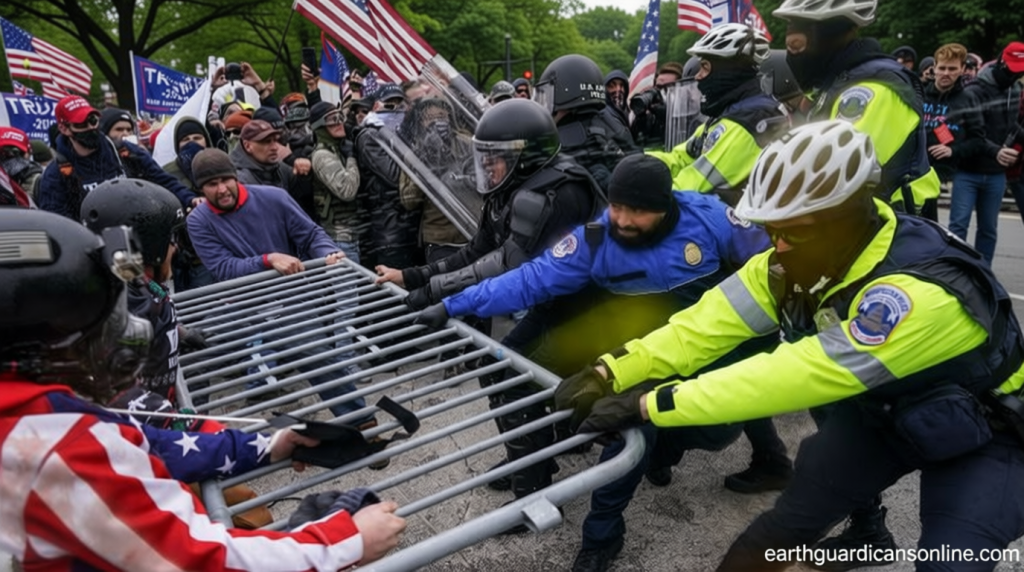
Proponents of the fund argue it aims to support individuals harmed by what they call the government’s weaponization against Trump. However, the fund’s expansive eligibility criteria have led to questions about its fairness. For example, it could potentially cover those who assaulted police during the January 6 riot, even if their involvement was not directly tied to the leak of tax records. This has prompted debates about whether the fund is genuinely intended to aid victims or if it serves as a shield for Trump’s allies.
“This is a woman who, at worst, if you believe everything that the prosecutor said about her, committed misdemeanor trespassing,” Vice President JD Vance stated. “And somebody threw the book at
