
Everlane shoppers come unraveled over sale to Shein
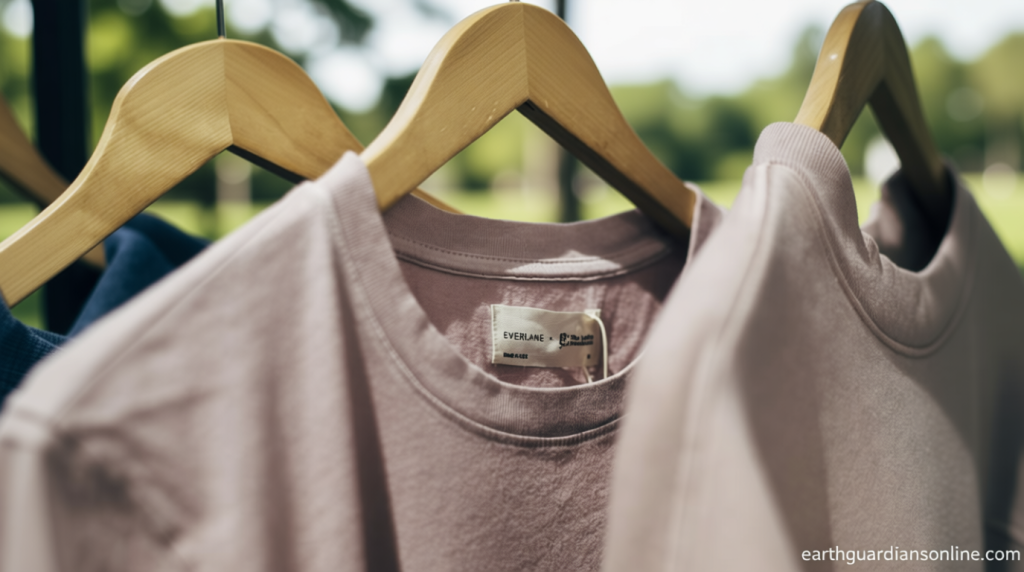
Everlane Shoppers Come Unraveled Over Sale to Shein
Everlane shoppers come unraveled over sale – Everlane, a brand that once championed affordable and ethically sourced clothing, now finds itself at a crossroads as customers confront the possibility of its transformation under new ownership. The company’s recent $100 million acquisition by fast-fashion behemoth Shein has sparked a wave of concern among its loyal clientele, many of whom had built their wardrobes around Everlane’s promise of sustainability and value. While the deal was structured to resolve Everlane’s $90 million in outstanding debts, as reported by Lauren Sherman of Puck, it has raised eyebrows about the future of the brand’s core values.
The Acquisition and Its Impact
Everlane CEO Alfred Chang confirmed the sale in a statement released on Friday, asserting that the brand would maintain its independence under Shein’s leadership. “Everlane will remain an independent brand,” he stated, emphasizing the company’s commitment to sustainability even as it gains a broader global presence. However, the announcement has left customers questioning whether this partnership will dilute the ethical standards that once defined the brand. For those who relied on Everlane’s transparency and quality, the shift signals a potential departure from its founding principles.
News of the sale ignited a flurry of reactions online, with shoppers expressing fear that the brand’s integrity might be compromised. “Cool cool need to go buy 46 white t-shirts before the formula changes,” Sophie Vershbow, a writer, posted on X. A screenshot of the tweet revealed she had only purchased three, prompting speculation about the urgency behind her plea. This sentiment reflects a growing anxiety among customers who had grown accustomed to Everlane’s signature boxy T-shirts and durable jeans, staples that offered both affordability and a sense of responsible consumption.
Everlane’s Commitment to Transparency
Since launching in 2010, Everlane had positioned itself as a pioneer in the sustainable fashion movement by breaking down pricing and production costs and tracing the origins of its garments. This approach, dubbed “radical transparency,” allowed customers to make informed decisions about their purchases, aligning with the brand’s ethos of ethical consumption. The strategy resonated with shoppers who sought to balance style with sustainability without sacrificing quality or budget.
Everlane’s initial product line, which began with simple T-shirts, quickly became a symbol of the brand’s dedication to practical, high-quality essentials. At its launch, the company claimed it had only 1,500 units available, with a waitlist exceeding 60,000 potential buyers—a testament to its appeal. Over time, it expanded into cashmere sweaters, non-stretch jeans, leather flats, and backpacks, each praised for its durability and design. The brand’s online-only model further reinforced its commitment to lean operations and direct customer engagement, setting it apart from traditional retailers.
Sustainability vs. Fast Fashion
Yet, the sale to Shein has cast doubt on this vision. Critics argue that the fast-fashion giant’s business practices, often associated with low-cost production and lax labor standards, clash with Everlane’s sustainable identity. The sustainable fashion watchdog Good on You, which evaluates brands based on their environmental and social impact, had previously rated Everlane as “good,” a holistic score considering labor practices, waste output, and materials. In contrast, Shein was labeled a brand to avoid, reflecting concerns about its supply chain and production methods.
“This was a brand founded on ethical consumption, which is the complete opposite of what Shein stands for,” said Shawn Grain Carter, an associate professor at the Fashion Institute of Technology specializing in sustainable fashion. Carter highlighted how fast fashion prioritizes speed and volume over quality, often at the expense of worker welfare and environmental responsibility. “To have a company acquired by one that directly contradicts its core values is problematic,” he added, noting the tension between Everlane’s mission and Shein’s mass-market approach.
“Fast fashion is the antithesis of sustainability. It’s cheap labor, it’s produced at any cost, and rarely is it done in an ethical supply chain. So to have an acquisition by a company that goes directly against the core values of your core customer is problematic in many ways.”
For customers like Madeleine Alizadeh, a fashion writer who co-founded a sustainable brand called DariaDeh, the sale feels like a betrayal. “It almost feels personal, that this is how it ends,” Alizadeh remarked, capturing the emotional weight of the decision. Her own brand, which shares Everlane’s sustainable aspirations, now faces the challenge of competing with a giant that has historically been less transparent and more profit-driven.
Kirstie Wang, a small business owner from the Bay Area, voiced her frustration in an Instagram reel. She accused Shein of stealing her designs and expressed devastation at Everlane’s move. “I think I just really looked up to them, and half my closet is Everlane,” she said in the video, questioning how the brand could pivot so dramatically. “How did they swing the pendulum so far that they’re able to sell to the radical opposite of what they stood for?”
The Ethical Fashion Movement and Everlane’s Role
Everlane had played a pivotal role in democratizing sustainable fashion, making it accessible to everyday consumers rather than just luxury enthusiasts. At its height, the brand challenged the dominance of high-end labels like Stella McCartney and “granola” brands such as Patagonia, proving that ethical style didn’t require a hefty price tag. “Everlane was genuinely pioneering,” Alizadeh noted, explaining how it redefined the market by offering affordable, well-made basics that could withstand the test of time.
Its philosophy centered on simplicity and sustainability, creating garments that were versatile enough for both office settings and weekend outings. Unlike traditional retailers, Everlane’s transparency allowed customers to trace every step of the production process, from material sourcing to manufacturing. This openness became a selling point, especially for those who wanted to align their purchases with their values without compromising on quality.
However, the sale to Shein has reignited debates about whether such commitments can be maintained in the face of market pressures. While Shein has expressed confidence in Everlane’s future, its own history of rapid production cycles and supply chain issues has left customers skeptical. “The acquisition feels like a compromise,” Carter said, adding that Everlane’s move could signal a broader trend in the industry where sustainability is secondary to scalability.
As Everlane prepares to integrate with Shein’s global network, the brand’s former customers wonder if the shift will lead to a decline in quality or a shift in its brand identity. For many, the sale represents not just a change in ownership but a reevaluation of their own values. “Everlane was a brand that made me feel good about buying new things,” Wang said, her emotional response underscoring the deep connection shoppers had with the company’s mission. The question now is whether this partnership will redefine Everlane or erode the very principles that made it a standout in the fashion world.
The decision has also sparked discussions about the challenges facing sustainable brands in a competitive market. While Everlane’s transparency and affordability had set it apart, the company now faces the reality of operating under a larger entity with different priorities. “It’s a tough balancing act,” Carter explained, noting that sustainable fashion requires both long-term vision and adaptability. “But when a brand that symbolized ethical choices is acquired by a company that prioritizes speed and cost, the stakes are high.”
As the fashion industry continues to evolve, Everlane’s sale to Shein serves as a case study in the tension between sustainability and scalability. Whether the brand can retain its identity while expanding its reach remains to be seen, but for now, its customers are left grappling with the implications of this new chapter. For them, the journey of ethical fashion may have taken an unexpected turn, raising questions about the future of values-driven brands in an increasingly fast-paced market.
