
What ER doctors, prosecutors and parents want you to know about e-bikes
What ER doctors, prosecutors and parents want you to know about e-bikes
A Family’s Christmas Tragedy
What ER doctors prosecutors and parents – On a Christmas Day in Indiana, Jade Sharpe witnessed her 13-year-old daughter Kennedi Chandler taking a brand-new e-bike for a ride. The vehicle, capable of reaching speeds up to 20 mph, was a gift the parents had hoped would introduce their child to safer cycling habits. However, the day turned into a harrowing emergency when Kennedi, riding without a helmet, suffered a severe accident within two hours. “The next thing I knew was flashing lights, and then just … heart sunk,” Sharpe recounted to CNN. The emotional toll became evident as the family rushed to the ambulance, unaware of the extent of the injury. “I didn’t realize how bad it was until we were in the ambulance,” she said. Despite living in a major suburb of the state’s largest city, the family opted for the most advanced trauma center in Indianapolis, recognizing the severity of Kennedi’s condition.
Kennedi endured a traumatic brain injury, requiring 20 days in the hospital and 14 in intensive care. Surgeons had to remove part of her skull to alleviate swelling and bleeding. “This surgeon has expressed how many bicycle accidents she’s had come through over the years, and Kennedi is lucky – so very lucky,” Sharpe noted. Yet, this incident underscores a growing concern: e-bikes are no longer the simple, pedal-powered devices of previous decades. Equipped with motors that can propel riders beyond 30 mph, these vehicles pose new risks.
California’s E-Bike Incidents
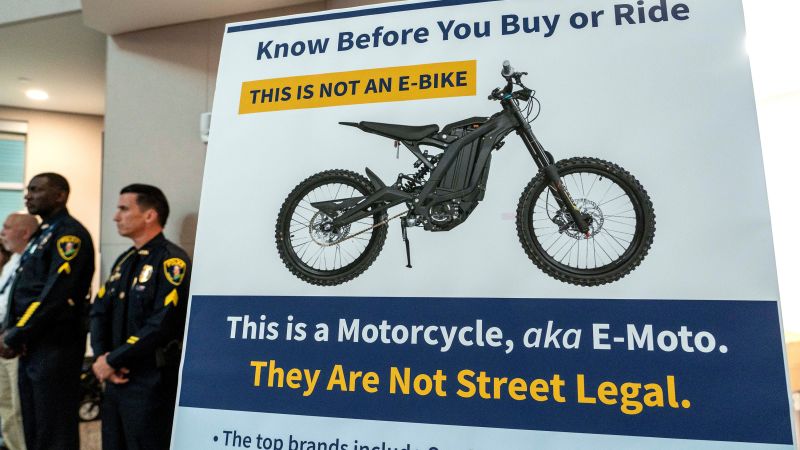
Across the country, similar tragedies have unfolded. In Fresno, California, a 13-year-old died, and two others sustained critical injuries in separate e-bike collisions, according to local police. In Garden Grove, another 13-year-old boy lost his life after navigating a curve at approximately 35 mph, crashing into a center median while riding what authorities described as an electric motorcycle. Meanwhile, in Lake Forest, a 14-year-old teenager struck and killed an 81-year-old Vietnam veteran while performing wheelies on an e-motorcycle capable of speeds up to 56 mph. The Orange County District Attorney’s Office confirmed that the boy’s mother had been warned about the legality of using such high-powered vehicles but continued to allow the ride.
As a result, she now faces involuntary manslaughter charges. The district attorney has also pursued child endangerment cases against three parents this year for permitting their children to ride electric motorcycles without proper safeguards. These incidents have led to the term “deadly weapons” being applied to the devices by prosecutors, emphasizing the urgency for stricter oversight.
The Rise of E-Bike Injuries
The growing prevalence of e-bikes has coincided with an alarming increase in injuries. According to the US Consumer Product Safety Commission, between 2017 and 2024, 533 fatalities in the micromobility category – which includes e-bikes, e-scooters, and other electric vehicles – were reported. This number surged from five in 2017 to 135 in 2024. Emergency department visits related to these incidents quadrupled during the same period, rising from 37,300 to 149,100, as noted in the commission’s April report.
E-bike-related deaths alone increased from zero in 2017 to 97 in 2024. These figures do not account for motorized vehicles like mopeds or e-motorcycles, which exceed e-bike speed limits and fall outside the commission’s scope but are frequently associated with severe accidents. The rapid adoption of e-bikes, driven by their convenience and eco-friendliness, has outpaced the development of safety standards.
Expert Insights on the Risks
Atlanta-based emergency room physician Dr. Darria Long has observed a significant surge in e-bike injuries over the past decade. Head trauma, fractures, concussions, chest injuries, cardiac arrest, and even fatalities have become more common. “Families who didn’t realize the power of the bikes or motor vehicles their children were riding were often surprised to find themselves in an emergency room,” Long explained.
Many parents believed helmets would suffice to protect their children, but the reality of e-bike accidents has challenged that assumption. “They thought their kid was just doing something fun. They thought that by giving them a helmet, maybe they prevented all injuries – and then they’re devastated, because every parent loves their child, and they don’t want to see their child being injured,” Long said. Kennedi’s case is a stark reminder of how quickly a fun activity can turn into a life-threatening situation.
Push for Regulation and Awareness
As the number of e-bike-related incidents rises, calls for regulation are gaining momentum. Experts argue that clearer guidelines, mandatory safety gear, and stricter enforcement of age and speed limits are essential to prevent future tragedies. Parents are being urged to scrutinize the devices their children use, ensuring they align with safety standards. “It could be so much worse than what you think,” Sharpe emphasized. “It’s not just a broken bone.”
Manufacturers and sellers are also facing pressure to provide greater transparency about the capabilities and risks of their products. With gas prices climbing, e-bikes have become a popular alternative to cars, but their increased use highlights the need for better education and safety measures. The combination of speed, power, and lack of awareness has created a perfect storm for accidents, particularly among younger riders.
The Path Forward
Kennedi’s recovery has been a long and arduous process. After weeks of missing school, she is now completing her final round of occupational, physical, and speech therapy. Though she is regaining her strength and playing soccer again, Sharpe remains vigilant about the importance of helmets. “She’s excited to get back on a bike – this time, her mom said, with a helmet.”
These stories are not isolated events but part of a broader trend that demands attention. The transition from traditional bicycles to electric vehicles has brought new challenges, requiring a reevaluation of safety protocols. As more children and teens take to the roads on these high-speed devices, the responsibility to ensure their safety lies with both parents and policymakers. The tragedy in Kennedi’s case serves as a poignant example of why vigilance is crucial. “The next thing I knew was flashing lights, and then just … heart sunk,” Sharpe’s words echo the fear and urgency felt by families nationwide.
The road ahead involves balancing the benefits of e-bikes with the risks they pose. With their sleek designs, larger tires, and powerful motors, these vehicles offer convenience and excitement. Yet, without proper oversight and awareness, they can become dangerous. As the Consumer Product Safety Commission’s data reveals, the numbers are rising rapidly, and the consequences are severe. It is time for a closer examination of e-bike safety, stronger regulations, and a renewed focus on protecting young riders.
