
Jason Collins opened a door. Many LGBTQ athletes still don’t feel safe walking through it more than a decade later
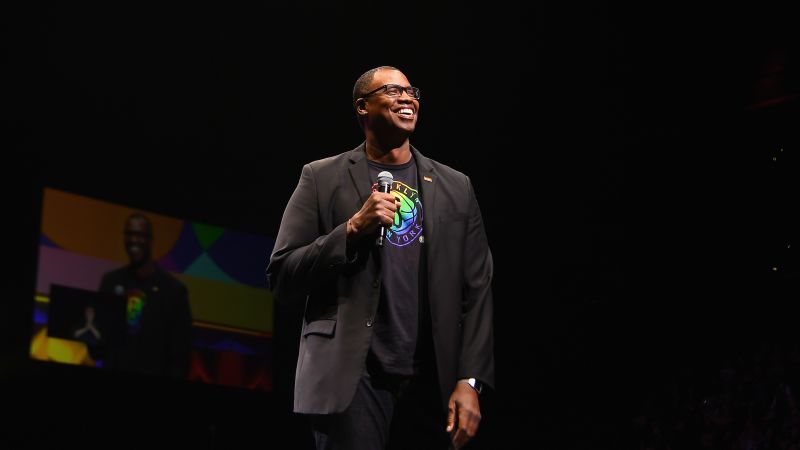
Jason Collins opened a door: LGBTQ athletes still seek safety a decade later
Jason Collins opened a door Many – Jason Collins opened a door—a symbolic act that reshaped the narrative for LGBTQ athletes in professional sports. The NBA’s first openly gay player, Collins made history in 2013 by publicly declaring his sexuality, a decision that reverberated across leagues and inspired a wave of visibility for LGBTQ individuals in athletics. Yet, more than a decade later, his pioneering step remains a reminder of both progress and the ongoing struggle for acceptance. As Collins passes away at 47 after an eight-month battle with stage 4 glioblastoma, his legacy continues to influence conversations about inclusion in male-dominated sports.
Collins’ journey began with a bold declaration that shattered barriers and redefined what was possible for LGBTQ athletes. By stepping into the spotlight in 2013, he not only opened a door for others but also challenged stereotypes that had long confined LGBTQ individuals to the shadows of sports culture. His courage catalyzed a shift in how athletes, coaches, and fans perceived sexual orientation, paving the way for future generations to embrace their identities without fear. However, the road to full acceptance remains uneven, with many LGBTQ athletes still navigating uncertainty in their careers.
“Jason Collins opened a door,” said Charles Barkley, reflecting on the NBA’s strides in LGBTQ inclusion. “But there’s still animosity toward the community that makes athletes hesitant to walk through it.”
Barkley’s statement highlights the persistent challenges that linger despite Collins’ trailblazing efforts. While the NBA has embraced his legacy, many LGBTQ athletes continue to face risks such as career setbacks, public scrutiny, or familial pressure. Hudson Taylor, a founder of Athlete Ally, emphasized that the decision to come out requires a delicate balance of personal courage and professional foresight.
Collins’ impact extended beyond his own career, influencing programs and initiatives that promote inclusivity. His advocacy for Pride Nights in the NBA and support for the 2017 All-Star Game’s relocation from North Carolina underscored his commitment to creating safe spaces for LGBTQ athletes. Collaborating with figures like Hudson Taylor, Collins helped shift cultural attitudes in sports, demonstrating that visibility could spark meaningful change. Yet, even as his influence grew, the challenges of homophobia and transphobia persisted in locker rooms and beyond.
Despite progress, the sports world still grapples with the tension between acceptance and perceived risks. Coaches, owners, and sponsors play a crucial role in reinforcing inclusivity, but many remain hesitant to publicly affirm their support. “The message needs to be clear: I love you, I accept you, I’ve got your back,” Taylor asserted, highlighting the importance of institutional backing. While Collins’ legacy has been celebrated, the journey toward full equality for LGBTQ athletes continues, with each step forward requiring sustained effort and open dialogue.
A legacy of courage and cultural shift
Collins’ decision to come out remains a defining moment in sports history, serving as a catalyst for broader acceptance. Ashland Johnson, a policy attorney with The Inclusion Playbook, noted that his actions provided a framework for athletes to navigate their identities in a traditionally conservative environment. “Jason Collins opened a door that allowed others to walk through it with confidence,” Johnson said, acknowledging the lasting effect of his choice. His story is not just about individual bravery but also about how LGBTQ representation can reshape the cultural fabric of sports.
As the sports landscape evolves, the lessons from Collins’ journey remain relevant. While the NBA has made strides in LGBTQ inclusion, the fight for acceptance in other leagues is ongoing. The presence of LGBTQ athletes in sports continues to challenge norms, with each new voice contributing to a collective movement toward equality. Collins’ legacy serves as both a milestone and a reminder that the work of inclusion is far from complete. His story endures as a symbol of the courage required to break down barriers and create a more inclusive future for all athletes.
