
30 years after ‘Into Thin Air’ disaster, Everest has changed. Now the weather isn’t the only big threat
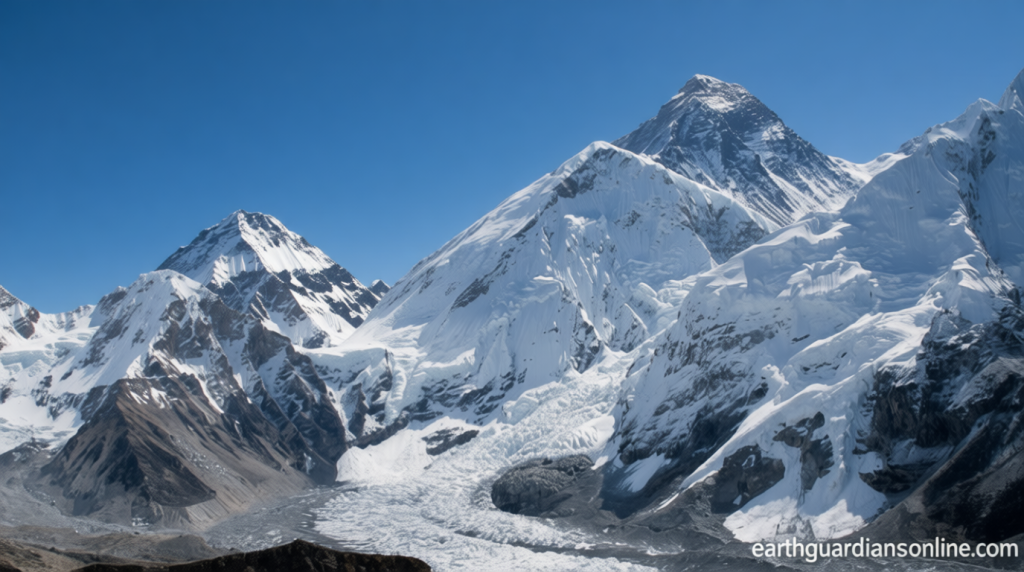
30 years after ‘Into Thin Air’ disaster, Everest has changed. Now the weather isn’t the only big threat
30 years after Into Thin Air disaster – In the spring of 1996, a sudden and fierce storm swept across the world’s highest peak, trapping over 30 climbers on the slopes of Mount Everest. The blizzard, which arrived without warning, left them battling 70mph winds and temperatures plummeting to -40 degrees Celsius. Oxygen levels dropped sharply, exacerbating the physical and mental strain on the expedition teams. Eight lives were lost during those critical hours, marking the deadliest stretch in Everest’s history. Yet, the true transformation began not with the disaster itself, but with the media frenzy that followed. Jon Krakauer’s gripping memoir, Into Thin Air, published in 1997, brought the tragedy to global audiences, cementing Everest as a symbol of human endurance and peril. The mountain, once a remote challenge for seasoned mountaineers, now draws thousands of adventurers annually, eager to conquer its summit with the help of professional guides.
Thirty years on, the landscape of Everest climbing has shifted dramatically. The once-rare sight of a single climber summiting the peak has become commonplace, with records set for the number of ascents in a single day. In May 2026, 274 climbers reached the top, breaking previous milestones and highlighting the mountain’s commercial appeal. This surge in popularity, however, has introduced new risks. While unpredictable weather remains a constant danger, experts now warn that overcrowding, untrained tourists, and cost-cutting guide services are the most pressing threats to climbers’ safety. The once-romanticized journey to the summit has evolved into a high-stakes industry, where profit and ambition often outpace caution.
A Cultural Shift
Will Cockrell, author of Everest Inc., describes the 1996 event as a pivotal moment. “It was a cultural turning point,” he says. “Everest was suddenly placed on the list of things people wanted to achieve, not just for mountaineers but for anyone with the means.” The disaster’s aftermath saw the birth of a global climbing economy, where guides and operators from Nepal became central figures. These local experts, known as “Everest guides,” now lead expeditions for clients from around the world. The shift from a purely technical pursuit to a tourism-driven venture has redefined the mountain’s role in modern society.
Before the 1996 blizzard, Everest’s summit was a rare feat. Tenzing Norgay and Edmund Hillary’s historic climb in 1953 marked the first successful ascent, but it took nearly four decades for the mountain to reach 270 summits. By 1989, the number had grown significantly, yet the scale of operations remained limited. The breakthrough came in 1992 when Adventure Consultants, a New Zealand-based company, achieved a milestone: they guided six clients to the top and safely brought them back down. This success sparked a wave of interest, as companies and individuals realized the potential of commercial Everest expeditions.
Guy Cotter, CEO of Adventure Consultants, recalls the moment of realization. “We had no idea how big the industry would become,” he says. “Back then, we didn’t even consider it an industry.” The 1996 disaster, which occurred four years after that pivotal climb, was the first major incident to capture widespread attention in the internet era. Satellite phones and global news networks amplified the drama, turning a tragic event into a narrative that would shape public perception for decades. The aftermath saw a flood of articles, documentaries, and films, with the 2015 movie Everest starring Jake Gyllenhaal adding to the cultural legacy.
From Tragedy to Industry
The 1996 blizzard was a stark reminder of Everest’s dangers. As the storm hit, climbers, guides, and Sherpas were stranded on the treacherous ridge above the death zone, where oxygen is scarce and survival hinges on quick decisions. Cotter, who was leading an expedition on a neighboring mountain at the time, watched the chaos unfold from afar. “With binoculars, I could see them up on the summit ridge,” he recalls. “When it looked like things had taken a turn for the worse overnight, I went over to Everest Base Camp to help the base camp manager and the doctor.”
“Virtually everybody was up on the mountain,” Cotter says. “We were all totally in shock.”
The rescue effort, led by a small team, became a testament to the mountain’s enduring allure. Survivor accounts later revealed that poor planning, such as unsecured ropes and delays caused by slower climbers, contributed to the fatalities. Some adventurers pushed beyond their limits, continuing their ascent past the 2 p.m. cut-off time, when darkness posed an imminent risk. These factors, combined with the storm’s fury, created a perfect storm of disaster. Yet, the incident also highlighted the importance of professional guidance, prompting the industry to adopt stricter safety protocols.
Rob Hall, a co-founder of Adventure Consultants and a celebrated mountaineer, became one of the most poignant figures in the story. His decision to stay with an injured client near the summit proved fatal, as he was unable to reach the lower camps before nightfall. Despite this, Hall made one final call via satellite phone to his pregnant wife, capturing the raw emotion of the event. His sacrifice underscored the personal stakes of climbing Everest, a theme that continues to resonate in both the climbing community and the public imagination.
Today, the mountain is a bustling hub of activity, with Base Camp transformed into a high-altitude metropolis. Thousands of climbers pass through this area daily, creating a dynamic ecosystem of gear shops, lodges, and trekking routes. However, this growth has also raised concerns about the quality of services and the preparedness of climbers. Cockrell notes that the industry’s expansion has led to a mix of skilled professionals and newcomers, some of whom may not fully grasp the risks involved. “The real danger now isn’t just the weather,” he explains. “It’s the combination of overcrowding, inexperienced tourists, and operators who prioritize speed over safety.”
Advancements in technology and equipment have helped mitigate some of these risks. Modern climbing gear, better weather forecasting, and improved communication systems have made the journey more predictable. Yet, the sheer volume of climbers has introduced new complexities. The once-peaceful ascent is now a race against time, with guides and Sherpas managing large groups under extreme conditions. As the industry matures, the balance between accessibility and safety remains a central challenge, ensuring that Everest’s legacy as a place of both triumph and tragedy continues to evolve.
