
Experimental pill promises new hope for deadly pancreatic cancer
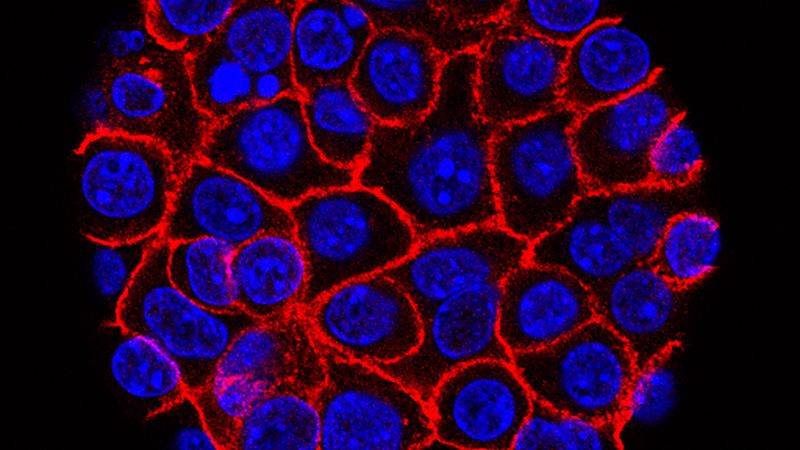
Breakthrough in Pancreatic Cancer Treatment: Experimental Pill Offers New Hope
Experimental pill promises new hope for deadly – Scientists have made a significant leap in the fight against pancreatic cancer, reporting that a newly developed pill may extend the lives of patients with advanced stages of the disease. The findings, shared at the American Society for Clinical Oncology meeting in Chicago, highlight a promising development for a condition long regarded as one of the most aggressive and difficult to treat. This experimental drug, named daraxonrasib, has shown the potential to nearly double survival time in certain cases, with fewer severe side effects than traditional chemotherapy.
A New Standard of Care?
Dr. Zev Wainberg, a leading researcher from the University of California, Los Angeles, emphasized that while the drug does not cure pancreatic cancer, it represents a major advancement. “This is a very large step forward,” he noted, speaking from the ASCO conference. The study, which involved 500 patients, compared the pill to standard chemotherapy regimens. Those who received daraxonrasib lived for a median of 13.2 months, compared to just 6.7 months for patients on chemotherapy. This difference marks the first time a medication has demonstrated a substantial benefit over existing treatments for this deadly disease.
“Having treated pancreatic cancer for 16 years, I actually started crying” when first seeing the study results, said Dr. Rachna Shroff of the University of Arizona Cancer Center. She was struck by how “patients stayed on this treatment because it was providing durable and meaningful benefit to them.”
Targeting a Previously “Undruggable” Protein
Pancreatic cancer has long been a challenge for medical researchers due to its resistance to traditional therapies. The disease is driven by mutations in the RAS gene family, which plays a key role in cell growth. Specifically, KRAS mutations are critical in fueling tumor progression, yet they have remained a difficult target for drugs. For decades, scientists believed these mutations made pancreatic cancer “undruggable,” but daraxonrasib changes that perception.
The drug works by binding to mutated proteins through a mechanism known as molecular glue. This innovative approach allows it to interact with multiple subtypes of KRAS, which was previously thought to be impossible. Dr. Brian Wolpin of the Dana-Farber Cancer Institute described the pill as a potential “new standard of care” for patients with metastatic cancer that has stopped responding to prior treatments. He added that researchers are also examining whether the drug could be effective in earlier stages of the disease, potentially enabling more patients to undergo surgery.
Improved Quality of Life and Long-Term Potential
While the pill’s effects may diminish over time, patients using it reported longer adherence to treatment and greater comfort. The study found that many continued using daraxonrasib even after data collection, suggesting the survival gap could widen as follow-up research progresses. “The treatment’s benefits are not just in survival but also in patients’ daily experiences,” said Dr. Wainberg. He noted that recipients experienced less pain and a better quality of life as tumors shrank, a factor that could be as important as the drug’s longevity.
Dr. Andrew Coveler of the Fred Hutchinson Cancer Center called the discovery a “game-changer” in pancreatic cancer therapy. “This thing works drastically differently,” he remarked, highlighting the drug’s unique molecular strategy. Researchers are now exploring whether its efficacy varies across different KRAS subtypes, which could lead to personalized treatment options. Meanwhile, other experimental drugs are being developed to target specific mutations, indicating a broader shift in cancer treatment approaches.
FDA’s Role and Expanded Access
Revolution Medicines, the company behind daraxonrasib, funded the study. The U.S. Food and Drug Administration has announced plans to expedite its review process, aiming to bring the drug to market faster. In addition, the agency has approved an expanded access program for patients meeting specific criteria, allowing them to try the medication before it receives full approval. This initiative has already generated a surge in interest from oncologists, with many requesting special access for their patients.
The drug has captured public attention after former U.S. Senator Ben Sasse shared his experience on “60 Minutes.” He described how daraxonrasib reduced his pain, offering a personal glimpse into its potential impact. This kind of advocacy has fueled optimism among cancer specialists, who see the medication as a possible turning point in the search for effective therapies. “This could be the catalyst we’ve been waiting for,” said Dr. Wolpin, who presented the findings at the conference.
The Challenge of Early Detection
Pancreatic cancer remains one of the most lethal cancers globally, largely due to its tendency to go undetected until it has spread to other organs. According to the American Cancer Society, approximately 67,000 new cases are expected to be diagnosed in the U.S. this year, with over 52,000 deaths projected. The five-year overall survival rate for the disease stands at a mere 13%, underscoring the urgent need for new treatments. Unlike other cancers that have benefited from a range of therapeutic options, pancreatic cancer has historically been resistant to most interventions, making this breakthrough particularly significant.
The study’s success could reshape treatment protocols, especially for patients who have already undergone chemotherapy. By targeting KRAS mutations more effectively, daraxonrasib may offer a more sustainable solution. Dr. Wainberg acknowledged that further research is necessary to confirm its long-term benefits. “We need to determine whether the drug’s impact is consistent across all subtypes and whether it can be optimized for even better outcomes,” he said.
Future Directions and Hope for Patients
With the drug’s promising results, researchers are optimistic about its role in the future of pancreatic cancer care. The study’s authors suggest that daraxonrasib could be integrated into treatment plans for previously treated metastatic cases, potentially extending survival and improving patient well-being. As more experimental drugs enter development, the field is moving toward a more tailored and effective approach to combating this disease. “This is just the beginning,” said Dr. Shroff. “There are dozens of other therapies in the pipeline, and this drug might be the key to unlocking more possibilities.”
Despite the advancements, challenges remain. Side effects such as severe rashes and mouth sores were reported, though they were generally less intense than those associated with chemotherapy. Researchers are now working to refine the drug’s application, ensuring it is as safe and effective as possible. The combination of improved survival rates and better quality of life could redefine the outlook for pancreatic cancer patients, offering a ray of hope in a disease that has long been a medical enigma.
