
Takeaways from the primary elections in California, Iowa and elsewhere
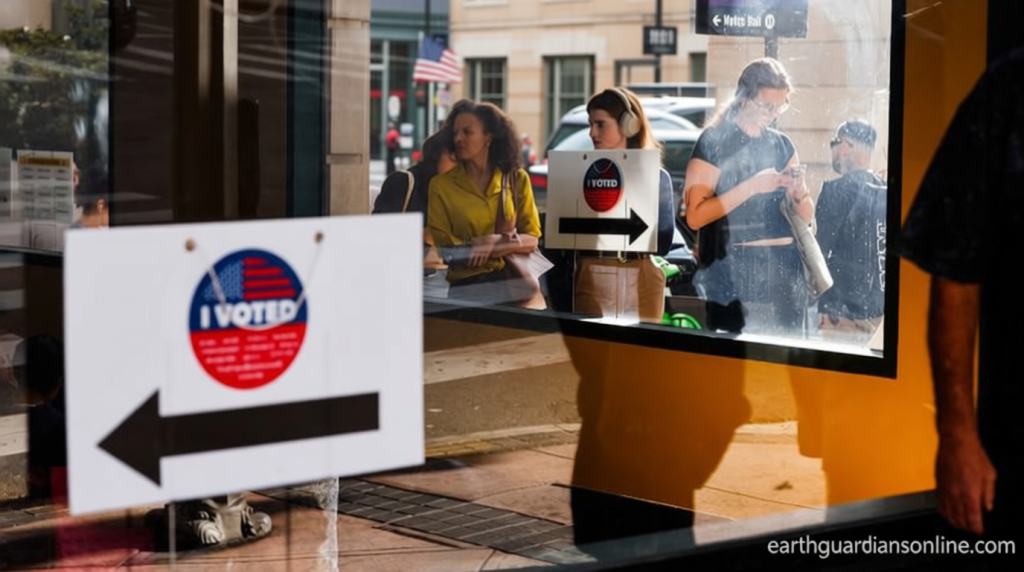
Takeaways from the Primary Elections in California, Iowa, and Elsewhere
Takeaways from the primary elections in California – Primary elections across six states, including California and New Jersey, concluded on Tuesday night, setting the stage for pivotal November contests. While results from California remain uncertain due to its delayed polling hours and slow vote-counting process, early indications suggest Democratic candidates are gaining momentum in key races. The state’s unique timing and method of tallying ballots have historically skewed outcomes in favor of progressive contenders, a trend that could shape the governor’s race and other contests. However, the full picture is still emerging, with several races left to be decided in the coming days.
California Governor’s Race: A Democratic Advantage?
Democratic former U.S. Health and Human Services Secretary Xavier Becerra has emerged as the frontrunner for the California governor’s seat. His strong showing is attributed to the state’s pattern of late-counted votes favoring Democratic voters, a dynamic that could solidify his position in the November general election. Becerra’s campaign appears to have capitalized on the enthusiasm of the party’s base, particularly in urban areas where his policy focus resonates with voters.
The second gubernatorial slot remains contested, with Republican former Fox News host Steve Hilton and Democratic billionaire investor Tom Steyer vying for the opportunity. Early reports indicated Hilton’s initial lead, but subsequent updates revealed a narrowing gap as progressive city councilmember Nithya Raman gained traction. This shift underscores the unpredictable nature of the race, even as the Democratic edge in delayed vote counting persists. Los Angeles Mayor Karen Bass, another Democratic candidate, secured her place in the November runoff, though her path to victory may be more challenging than initially anticipated.
Iowa Senate Race: A Shift in Democratic Strategy
The Iowa Senate race, once considered a low-profile contest, has taken on new significance after the Democratic primary. State Rep. Josh Turek’s victory over state Sen. Zach Wahls was decisive, with Turek leading by a 25-point margin in nearly all reported votes. This outcome was fueled by the Democratic super PAC VoteVets, which invested over $10 million to support Turek’s campaign. Despite Wahls’ attempts to frame the race as a challenge to Senate Minority Leader Chuck Schumer, the strategy failed to sway voters. Turek’s win positions him to face GOP Rep. Ashley Hinson in the general election, a matchup with potential implications for national politics.
Hinson, who is seen as a strong Republican candidate, is favored in a state that Trump won by 13 points in 2024. However, Democrats are optimistic about their chances, citing the possibility of Trump’s tariffs impacting the agricultural sector and making Iowa more competitive. The state’s shift toward a Democratic candidate could be a crucial step in a broader strategy to reclaim seats in states where Trump performed strongly. Meanwhile, the race for Iowa governor has also taken an unexpected turn, with Trump’s endorsement of Randy Feenstra proving less effective than anticipated.
Trump’s Endorsement Record: A Mixed Bag
While Trump has demonstrated his influence in recent primaries by supporting candidates who defeated incumbents, his endorsement record has not been without flaws. In lower-profile races, some of his backed candidates are now facing runoffs, including those in Georgia and Alabama. For instance, a Trump-endorsed candidate in Georgia’s gubernatorial race and another in Alabama’s U.S. Senate contest are still in the running, though their paths are more uncertain than expected.
On Tuesday night, a Trump-endorsee lost in the Iowa governor’s race, marking a rare setback for the former president. Randy Feenstra, who received Trump’s backing, narrowly fell short of victory against businessman Zach Lahn. This loss highlights the challenges Trump-endorsed candidates face in crowded fields, even in states with a Republican-leaning electorate. Feenstra’s defeat could signal a broader trend, as he becomes the first statewide Trump-endorsee to lose a primary in 2026—though similar outcomes occurred in 2022 as well.
Montana and South Dakota: Tight Races with Strategic Implications
In Montana, Democrats’ Senate hopes received a subtle boost following the primary. A little-known candidate, Alani Bankhead, secured the party’s nomination after a campaign focused on raising awareness of her candidacy. Her victory has positioned her as a potential candidate to challenge Republican former U.S. Attorney Kurt Alme in the general election. While Bankhead’s fundraising remains modest, her win has drawn attention to the possibility of using independent voters as a strategic tool in deep-red states.
Meanwhile, South Dakota’s governor’s race has become a close contest. Current governor Larry Rhoden trails businessman Toby Doeden, who advanced to a runoff. Rhoden’s lead over third-place Rep. Dusty Johnson is narrow, and the race is far from over. Doeden’s rise in the polls suggests a shift in the state’s political landscape, potentially influenced by the broader national climate and the impact of Trump’s policies on local issues. The outcome could have ripple effects for the Republican Party’s hold on the state.
Broader Implications for the November Election
The primary results across these states offer a glimpse into the dynamics shaping the November election. California’s delayed vote counting and Democratic dominance in late ballots could lead to a stronger Democratic slate for the November races, despite the crowded field. Iowa’s Senate and governor races, on the other hand, reveal both challenges and opportunities for Democrats, particularly in leveraging independent voters and capitalizing on Trump’s weaknesses.
Geographically, the races in these states reflect a mix of outcomes. While California’s Democratic leanings are clear, Iowa’s shift toward a Democratic Senate candidate and the uncertain governor race highlight the state’s potential as a battleground. Similarly, Montana’s results provide hope for Democrats, who are increasingly using strategies to attract independent voters in traditionally conservative areas. These developments could influence the broader race for the Senate and the presidency, especially in states where Trump’s 2024 performance was decisive.
A Glimpse into the Future
As the primary season concludes, the focus shifts to the general election. The outcome in these races may determine the balance of power in key states, with California and Iowa serving as bellwethers for the Democratic and Republican strategies. The continued influence of late votes in California and the impact of Trump’s endorsements in Iowa underscore the importance of every race in the final stretch of the campaign.
With several states still in flux, the November election remains a critical juncture for both parties. The results from these primaries will shape not only the final slates of candidates but also the narrative surrounding their campaigns. As the race intensifies, the ability to adapt to changing dynamics will be essential for success in the upcoming general election.
