
The new Air Force One just got a big update – and price tag
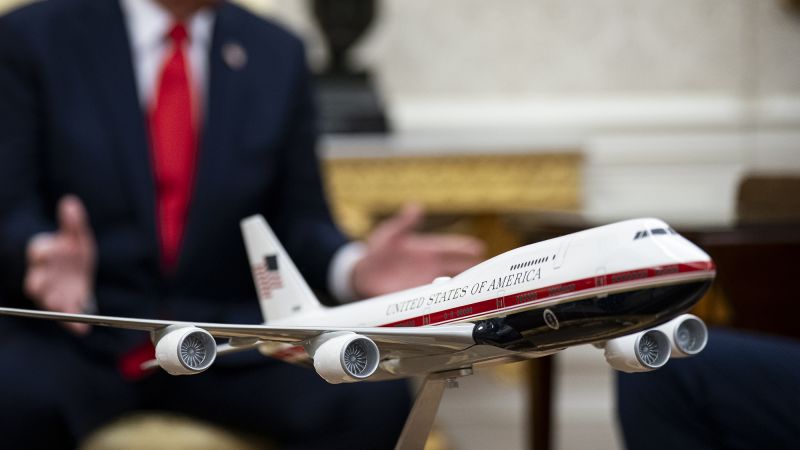
Boeing’s Presidential Aircraft Program Faces Mounting Financial Pressure
Escalating Costs and Production Challenges
Earthguardiansonline.com – Boeing continues to grapple with substantial financial setbacks in its Air Force One modernization initiative. The aerospace manufacturer recently disclosed that it is deploying considerable additional resources to accelerate delivery of the first two presidential aircraft, which are now running four years behind schedule and have accumulated billions in excess costs beyond the original projections. During a Tuesday communication to staff members, Chief Executive Kelly Ortberg announced that the company is committing “significant resources” toward completing the heavily customized 747-8 aircraft by 2028. This intensified production and certification push contributed an extra $280 million in expenses during the most recent quarter, according to Boeing’s quarterly financial disclosure. The cumulative cost overruns for the entire program have now exceeded $3.1 billion, a figure that Boeing has committed to absorbing entirely. These escalating expenses reflect multiple compounding factors that have plagued the project since its inception.
Presidential Involvement and Interim Solutions
President Donald Trump has maintained a keen personal interest in the new presidential aircraft throughout their development. In 2018, the president successfully convinced then-Boeing CEO Dave Calhoun to execute a government agreement that originally limited taxpayer exposure to $3.9 billion. That foundational contract has since undergone modifications, expanding the total price tag to approximately $4.5 billion to encompass spare components and supplementary equipment. Over a six-year period, the aircraft have demonstrated considerably higher costs than Boeing initially forecasted. The manufacturer has attributed these massive overruns to several interconnected challenges: engineering modifications concerning electrical wiring and structural specifications, timeline disruptions, performance deficiencies at a critical supplier, and engineering inefficiencies stemming from the global pandemic. Frustrated by persistent delays, Trump last year agreed to utilize a 747 jet donated by Qatar as a temporary Air Force One after military personnel installed necessary security systems aboard the aircraft. While the president has operated this interim plane, he has publicly recognized that the Qatari aircraft does not possess the comprehensive security capabilities of both the current and upcoming government-contracted presidential jets. Earlier this month, Trump transported the gifted Qatari aircraft to a NATO gathering in Turkey, but subsequently made an unannounced decision to return home aboard an older Air Force One jet due to security considerations.
Historical Context and Broader Financial Impact
The existing presidential aircraft have operated continuously since 1990, initially serving under the George H. W. Bush administration. These planes have accumulated such extensive operational and maintenance expenses that government officials determined in 2015 they required replacement. Trump became personally engaged with the new aircraft contract prior to his first presidential term, issuing a December 2016 social media statement in which he threatened to terminate the order because of prohibitive design costs. Calhoun characterized both the aircraft program and his negotiations with Trump as “unique” in 2022, though he cautioned that the agreement carried considerable risk and that Boeing should not have executed it. These substantial Air Force One losses have coincided with independent financial difficulties for the aircraft manufacturer. When Boeing renegotiated the presidential aircraft contract, the company was simultaneously working to restore its 737 Max program following two catastrophic crashes that grounded the entire fleet for 20 months. Additionally, a January 2024 door plug failure on a 737 Max aircraft triggered further production disruptions, increased regulatory examination, and additional financial losses. Boeing reported a $428 million loss for the second quarter on Tuesday, building upon a $7 million deficit from the first quarter. Although this quarterly shortfall represented a slight improvement compared to the corresponding period in 2025, the company’s overall financial position remains heavily burdened with red ink.
Related Reading
Frequently Asked Questions
What is The new Air Force One just?
The new Air Force One just is the main topic of this guide. The article explains the context, practical details, and next steps readers should understand.
Why does The new Air Force One just matter?
The new Air Force One just matters because readers are looking for a useful answer, not just a short summary. Good content should match search intent and help them decide what to do next.
