
Former NY Rep. George Santos under investigation for alleged insider trading on Kalshi
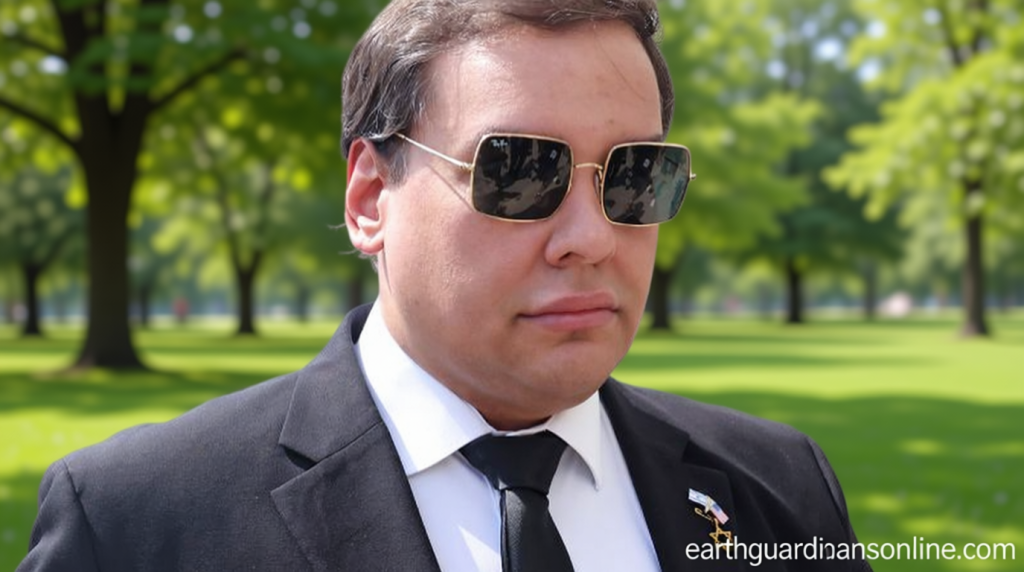
Former NY Rep. George Santos Under Investigation for Alleged Insider Trading on Kalshi
Former NY Rep George Santos under – George Santos, the former U.S. Representative from New York, is now facing federal scrutiny over potential insider trading activities on the prediction market platform Kalshi, according to two individuals who have knowledge of the situation. This marks a new chapter in the political career of the man who was recently ousted from Congress after being convicted on fraud charges. The investigation centers on Santos’ trades in a market predicting whether he would attend President Donald Trump’s State of the Union address this year, a development that has raised eyebrows among regulators and observers.
Details of the Suspicious Activity
Kalshi, a popular platform for trading on outcomes of real-world events, flagged unusual activity linked to a market about Santos’ attendance at the State of the Union speech. The market, which allowed users to wager on the likelihood of key figures appearing, saw significant bets placed by traders. Among the participants were Santos, Barron Trump, the president’s son, and other notable figures such as USA Hockey star Jack Hughes and Nick Shirley, a prominent MAGA journalist whose earlier fraud allegations gained national attention. The trades, which totaled millions of dollars, were placed before the event, suggesting a possible advantage in knowing the outcome prior to the public announcement.
“Santos had publicly stated before the speech that he would attend, but he ultimately did not show up,” said one source close to the investigation. “That discrepancy led Kalshi to flag the account and investigate further.”
According to the source, Kalshi’s system detected patterns indicating the trades may have been made with insider knowledge. The platform then froze Santos’ account and passed the findings to the Justice Department and the Commodity Futures Trading Commission (CFTC), the federal agency responsible for overseeing commodity futures markets. A separate source confirmed that the CFTC is currently examining the matter, while the Justice Department has not yet launched a formal probe, as of now.
Background on Santos’ Previous Convictions
Santos’ legal troubles began last year when he was sentenced to seven years in prison for aggravated identity theft and wire fraud charges tied to his 2022 midterm campaign. The conviction stemmed from allegations that he fabricated his educational and professional credentials to secure public funding and donations. However, his sentence was reduced after President Donald Trump commuted it, allowing Santos to serve less than three months behind bars before his release. Now, as he reemerges in the public eye, new accusations of financial misconduct have surfaced.
While Santos has yet to respond to the current allegations, CNN has contacted him for comment. Kalshi, the prediction market platform at the center of the inquiry, has not provided additional statements for this report. The case has already drawn attention from NPR, which first reported the federal scrutiny into Santos’ trades. When asked about the allegations, Santos told NPR, “I wasn’t aware of any insider trading investigations.” His remarks underscore the surprise many may feel at the timing and nature of the current probe.
Expansion of Prediction Markets and Regulatory Challenges
The rise of prediction markets like Kalshi and Polymarket has transformed how people engage with financial forecasts. These platforms have gained immense popularity over the past year, enabling individuals to bet on a wide array of topics—from sports outcomes to election results and even the winner of season 50 of *Survivor*. However, the rapid growth of the industry has outpaced regulatory frameworks, creating gaps in oversight. Prediction markets are treated as commodity futures under federal law, yet many lawmakers and state officials argue that the rules governing them are not equipped to handle their current scale and complexity.
Kalshi, which has a partnership with CNN, provides data that helps the network cover major events. Despite this collaboration, the platform’s terms state that its editorial staff cannot engage in trading activities on prediction sites. This policy is designed to prevent conflicts of interest, but the incident involving Santos raises questions about whether such safeguards are sufficient. The CFTC’s involvement highlights the potential for deeper regulatory action, though the Justice Department has not yet confirmed its role in the case.
Implications for Santos and the Political Landscape
The case has added another layer to Santos’ public image, which has already been tarnished by his past convictions. As a former member of Congress, his alleged use of insider information to profit from market bets could further impact his credibility. The situation also reflects a broader trend of political figures being scrutinized for financial practices that blur the lines between public service and personal gain. Analysts note that the rise of prediction markets has created new opportunities for individuals to speculate on events with real-world consequences, making them a target for regulatory attention.
For Kalshi, the investigation presents both a challenge and a chance to demonstrate its commitment to transparency. While the platform has been a key player in the prediction market space, this incident may prompt calls for stricter compliance measures. The case also highlights the growing influence of these markets in shaping public discourse and financial decisions, as they allow everyday users to participate in complex betting scenarios with minimal barriers to entry.
As the CFTC delves deeper into the matter, the focus will likely shift to whether Santos had access to non-public information that gave him an edge in his trades. If the allegations hold, this could lead to additional charges or penalties. Meanwhile, the Justice Department’s potential involvement could bring the case into the spotlight of broader financial fraud investigations. Santos, who has already weathered significant legal and political fallout, now faces the possibility of further scrutiny in the wake of this new development.
Despite the controversy, the case has not yet disrupted the broader momentum of prediction markets. The platforms continue to attract users eager to wager on everything from policy changes to celebrity news. Yet, the Santos incident serves as a reminder that the line between informed betting and unfair advantage can be thin, particularly in an environment where public figures have access to insider knowledge. As the investigation unfolds, the implications for both Santos and the emerging market landscape will remain a topic of discussion.
