
When will we know the outcome of the California governor primary?
When Will We Know the Outcome of the California Governor Primary?
When will we know the outcome – California’s gubernatorial primary, a pivotal contest in the state’s political landscape, remains unresolved as of Wednesday evening. With millions of mail ballots still pending, the race for the top two general election spots is unlikely to conclude soon. Three key contenders—Republican Steve Hilton and Democrats Xavier Becerra and Tom Steyer—are vying for the final slots, and the results are shaping up to be a closely contested battle. While Hilton held an early lead after initial post-election night tallies, Becerra and Steyer have shown consistent gains in most counties that have reported so far, challenging the Republican’s advantage.
The Candidates and the Race
Steve Hilton, a former state senator and Republican candidate, has maintained a strong position through the first round of results. However, his lead is now under pressure as Democrats Xavier Becerra and Tom Steyer have seen improvements across nearly every jurisdiction that has released data. Becerra, the state’s current secretary of state, and Steyer, a wealthy environmental activist, are both seen as formidable opponents in the race. Their progress suggests that the final outcome could shift dramatically as more ballots are counted.
Despite the early momentum for Hilton, the race is far from decided. The California Secretary of State’s office has emphasized that the final tally will depend heavily on the processing of mail ballots, which often arrive late and are counted after Election Day. This process, which has historically prolonged results, is expected to continue well into the coming weeks. Officials warn that the race might not be finalized until July 2, the deadline for all counties to complete their tabulations.
Why the Delay?
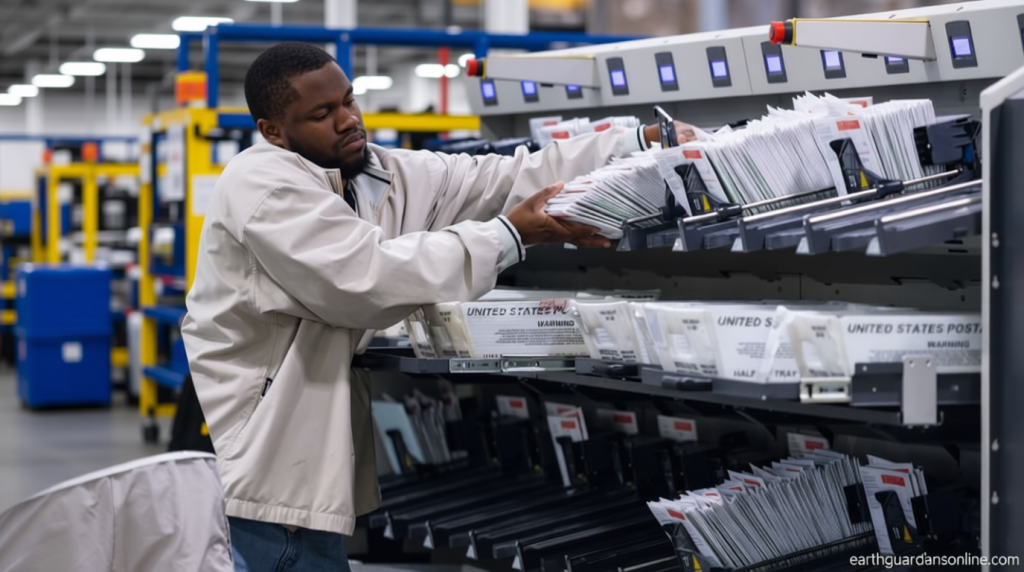
California’s election system is known for its meticulous and time-consuming counting process. With over 15 million mail ballots anticipated, the state faces a unique challenge in verifying each vote. Many ballots arrive on or after Election Day, creating a bottleneck in the reporting timeline. According to the California Voter Foundation, a nonprofit focused on election reforms, these delayed ballots result in what they describe as a “pig in a python” effect—a phenomenon where votes are processed in waves, leading to extended delays in final results.
“The ‘pig in a python’ effect highlights how late-arriving mail ballots can delay the final outcome, even as initial results suggest a clear winner,” said a spokesperson for the California Voter Foundation.
On election night, counties typically reported large batches of votes, primarily from ballots received before Tuesday. However, a quarter of all votes cast on Election Day are mail ballots that arrive after the initial cutoff, which complicates the timeline. These ballots must be postmarked by Tuesday and delivered by June 9 to be counted, a requirement that has led to extended processing times. As a result, the final results are not expected until the end of the month, with some counties still updating their tallies in the days ahead.
Provisional ballots, which are cast by voters who may have issues with their registration, further add to the complexity. These ballots require additional verification and are often counted in the final stages of the process. The combination of late-arriving mail ballots and provisional votes means that the state’s election officials are working overtime to ensure accuracy. This system, while designed to reduce errors, has become a source of extended uncertainty in close races.
Voting Trends and Democratic Advantage
Historically, California has seen a trend where Democratic voters are more likely to cast mail ballots, while Republicans prefer in-person voting. This pattern has had a noticeable impact on the final outcome of races, as mail ballots are often counted later than in-person votes. The 2024 Senate primary provides a clear example of this trend: Democratic candidates initially led by a small margin on election night, but their lead grew significantly once all ballots were counted. The final tally showed a combined 59.5% of the vote, up from 57.3% reported earlier.
This year’s primary may follow a similar trajectory. Data from Political Data, Inc., a Democratic-aligned firm, indicates that Democratic voters are returning ballots at a slower pace than in previous years. This could mean that more votes are still unaccounted for, potentially giving Democrats a larger share of the remaining ballots. The implications are significant, as the shift could determine whether Becerra or Steyer overtake Hilton in the race for the top two spots.
While the initial results favored Hilton, the delayed reporting of mail ballots creates an opportunity for the Democrats to close the gap. This dynamic is expected to play out as the counting process continues. Some analysts predict that the final results could be a surprise, with the Democrats gaining momentum as more votes are verified. The question now is whether this shift will be enough to push Hilton out of the running.
County Schedules and Reporting Times
California’s 58 counties operate on their own schedules, which means the reporting of results can vary widely. Some, like Los Angeles County, provide updates nearly daily, while others may release findings only a few times a week. This decentralized system ensures thorough verification but also extends the timeline for finalizing the race.
Each county’s process involves sorting, verifying, and counting ballots, often conducted after regular business hours. Results are typically released around 7 to 9 pm ET, coinciding with the end of the workday in California. However, this does not mean the entire state will report simultaneously. Instead, the process is staggered, with some counties finishing earlier and others still in progress. This variability has led to a fragmented timeline for the final outcome, keeping voters in suspense for days.
As the counting continues, the narrative of the race is likely to evolve. Initial reports may not reflect the full picture, and the final tally could reveal a different story. The delayed results also highlight the importance of mail ballot verification, a process that is critical to ensuring the accuracy of California’s elections. With the state’s electorate spread across millions of mail-in votes, the final outcome remains a work in progress.
The upcoming weeks will be crucial for determining the final standings. While the current results suggest a Republican lead, the possibility of a Democratic surge remains. The state’s election officials are working diligently to process every ballot, but the timeline for completion is still uncertain. Until all votes are counted and verified, the race for California’s governor will remain an open question, with the final answer waiting for July 2.
In the absence of a definitive conclusion, the focus remains on the delayed ballots and their impact on the final outcome. The “pig in a python” effect, combined with the preference for mail voting among Democrats, has created a scenario where the results could change significantly as more votes are processed. This makes the coming days a critical period for political observers and voters alike, as the final count of ballots could reshape the state’s future leadership.
