
Takeaways from the appeals court hearing on the White House ballroom project
Takeaways from the White House Ballroom Appeals Court Hearing
Takeaways from the appeals court hearing – The recent appeals court hearing on the White House ballroom project has drawn attention to the legal battle over executive power. President Donald Trump’s administration seeks to expand the presidential authority to proceed with construction without congressional approval, a claim now being scrutinized by a federal three-judge panel. This case has become a key moment in the broader debate over how far the executive branch can go in implementing major initiatives. The focus keyword “takeaways from the appeals court” appears in the title and is central to the discussion, with the hearing offering insights into the administration’s legal strategy and the court’s response.
The Ballroom Project and Legal Timeline
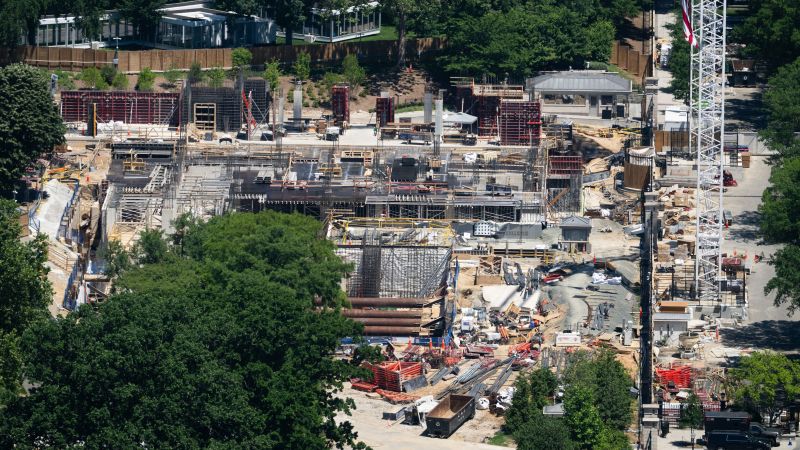
The White House ballroom, which covers nearly 90,000 square feet, was built over the former East Wing’s site, which was demolished in late October 2025. While the project moved forward, opponents challenged its legality, leading to a lawsuit that temporarily halted above-ground construction. The appeals court’s decision to suspend this ruling in April allowed the administration to continue work, setting the stage for this pivotal hearing. Takeaways from the appeals court hearing reveal the tension between the president’s urgency and the judiciary’s need for thorough review.
Arguments on Executive Authority and Judicial Oversight
The hearing centered on whether the president’s power to bypass Congress is constitutional. Justice Department attorney Yaakov Roth argued that even if the administration loses this round, the Supreme Court would not intervene to stop the project. This claim was met with skepticism by Judge Patricia Millett, who questioned the timing of the lawsuit and the irreversible nature of the construction. Takeaways from the appeals court hearing highlight how the judges are weighing the balance between swift executive action and the courts’ role in ensuring legal compliance.
“Could any court, including this one or the Supreme Court, stop the building of this?” Millett asked Roth.
Roth asserted that no court would have the authority to halt the ballroom’s development, emphasizing the administration’s confidence in its position. Millett, however, pointed out that the East Wing was demolished two months before the National Trust for Historic Preservation filed its lawsuit, suggesting the project’s irreversibility. Takeaways from the appeals court hearing underscore the critical role of timing in determining legal standing and the court’s ability to intervene.
Legal Standing and the Role of the National Trust
A major point of contention was the National Trust’s legal standing to challenge the project. The administration argued that the Trust’s claims of harm were too vague to justify a lawsuit, aiming to weaken its case early. Takeaways from the appeals court hearing show how this tactic is being tested, with judges questioning whether the Trust’s delay in filing the suit undermines its credibility.
“The government’s position, apparently, is that even a lawless action of this type could never be stopped by the court,” Millett said.
Tad Heuer, the Trust’s legal representative, countered by citing the landmark 1803 Supreme Court case Marbury v. Madison, which established the judiciary’s role in interpreting the law. Heuer emphasized that the court must assess whether the executive branch’s actions align with legal standards, regardless of when the lawsuit was filed. Takeaways from the appeals court hearing illustrate how this case is shaping the debate over the separation of powers.
Broader Implications for Presidential Power
This case is part of a wider pattern of legal challenges against Trump’s policies during his second term. Over the past several months, nearly 10 lawsuits have targeted various initiatives, from renaming the Kennedy Center to changing the color of the Reflecting Pool. Takeaways from the appeals court hearing reflect the administration’s determination to push forward, even as opponents argue that these actions represent a shift toward executive overreach. The outcome could set a precedent for future projects, influencing how the courts evaluate presidential authority in similar cases.
