
Even Trump says he doesn’t know ‘where the hell’ his own false claim about Black unemployment came from
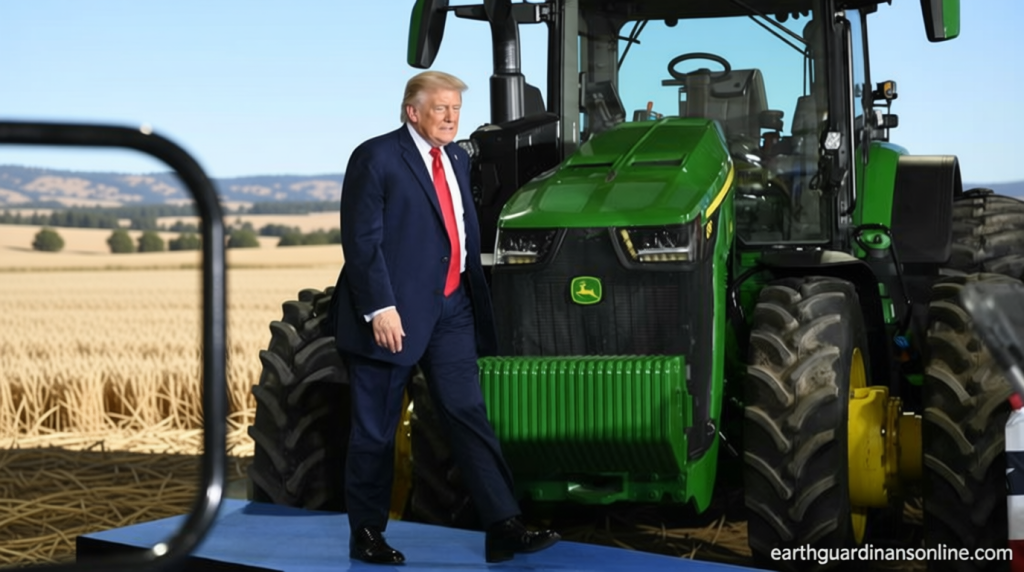
Even Trump Admits Uncertainty About His Black Unemployment Claim
Even Trump says he doesn t know – Even Trump says he doesn’t know where the claim about Black unemployment originated, revealing a moment of self-awareness amid his usual confidence in statistics. During a recent appearance in Wisconsin, the former president referenced a statistic that had previously bolstered his economic narrative, yet he could not pinpoint its source. This admission highlights a recurring trend in his public statements: the strategic use of data to support arguments, often without rigorous verification. Despite his assertions, the figure he cited did not fully align with the broader economic trends, sparking questions about its reliability.
A Discrepancy in Economic Narratives
At the event, Trump emphasized that Black unemployment had reached a “remarkable low,” citing a statistic that seemed to contradict recent data. However, when pressed for details, he admitted, “Even Trump says he doesn’t know where that stat came from,” underscoring the ambiguity of his claim. His frustration with the lack of clarity was evident, but the data he referenced still held some relevance. The national unemployment rate in May 2026 stood at 4.3%, while the Black unemployment rate was 6.6%, a figure that, though improved, had not yet broken historical records.
“Even Trump says he doesn’t know where that stat came from,” he added, “but I’ll take it.”
The quote captured a blend of humility and pragmatism, as Trump acknowledged the uncertainty but remained committed to the narrative. This approach has been consistent in his political career, where he often uses statistics to shape public perception, even when their origins are unclear.
Data Trends and Historical Context
Official reports from the Bureau of Labor Statistics indicate that Black unemployment rates have fluctuated over the years, influenced by economic cycles and policy changes. In May 2026, the rate of 6.6% marked a slight improvement from April’s 7.3%, but this decline was not as steep as the 0.9-percentage-point drop recorded in April 2024 under Biden. Even Trump says he doesn’t know the exact source of the data, yet he continues to use it to underscore his administration’s achievements.
While the claim about Black unemployment may have been well-intentioned, it overlooked the fact that the rate in May 2026 was still higher than the 6.2% recorded in January 2025, when Trump first took office. This inconsistency suggests that his assertion was based on a selective interpretation of the data, rather than a comprehensive analysis of the entire trend. Even Trump says he doesn’t know where the stat came from, but he chose to highlight it as a sign of progress.
The Broader Implications of Misleading Claims
Trump’s admission of uncertainty about the statistic’s origin raises questions about the accuracy of his economic messaging. Even Trump says he doesn’t know where the stat came from, yet he presented it as a definitive achievement. This pattern of using unverified data to support arguments has been a hallmark of his political strategy, often leading to debates over the credibility of his claims. The statistic, though partially correct, was presented without context, potentially misleading the audience about the true state of Black unemployment.
Experts have noted that while the Black unemployment rate has seen improvements, it remains higher than the national average. Even Trump says he doesn’t know the exact source of the data, but he effectively used it to reinforce his narrative. The key takeaway is that such claims, though sometimes based on real data, can be shaped to fit a broader ideological agenda. This approach underscores the importance of fact-checking in political discourse, especially when economic indicators are central to a candidate’s platform.
The White House’s Response and Public Perception
Following the event, the White House did not immediately clarify the origin of the statistic, leaving it to the media to investigate. This silence has fueled speculation about whether the data was misinterpreted or misrepresented. Even Trump says he doesn’t know where the stat came from, but his team has not yet provided a detailed explanation. The lack of transparency may contribute to public skepticism, particularly among those who closely follow economic data and policy impacts.
Despite the confusion, Trump’s claim about Black unemployment was not entirely baseless. The 0.7-percentage-point decrease between April and May 2026 reflected a positive trend, though it was not the most significant in recent history. Even Trump says he doesn’t know the exact source of the data, but the figure itself was accurate. The challenge lies in ensuring that such statistics are presented with proper context, rather than being used as standalone points in a larger argument. This issue highlights the need for consistency in economic reporting, especially when leaders are making public assertions about their policies’ effects.
