
Nithya Raman narrowly leads Spencer Pratt in race for second spot in Los Angeles mayoral race
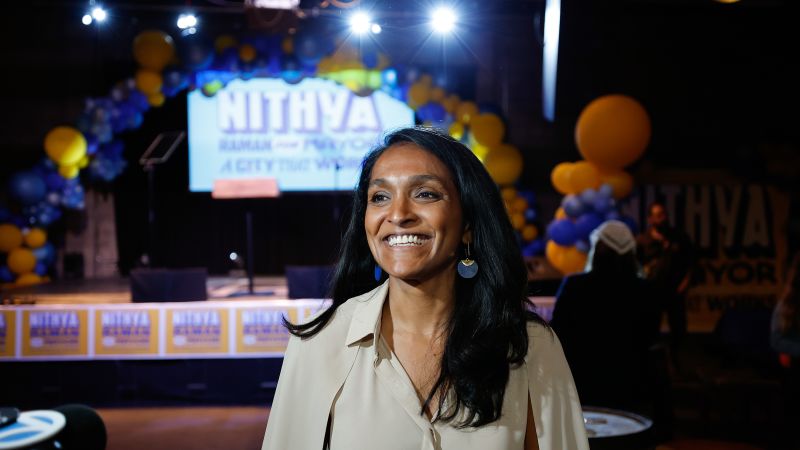
Nithya Raman Nears Second Mayoral Spot in LA Election
Nithya Raman narrowly leads Spencer Pratt – Following a Sunday evening vote update, Nithya Raman has secured a narrow lead over former reality TV star Spencer Pratt in the race for the second mayoral position on the November ballot. The city councilmember currently holds approximately 40% of the nearly 48,000 votes tallied by Los Angeles County, surpassing Pratt by a margin of about 3,000 ballots. While the final outcome remains uncertain, Raman’s lead appears significant enough to give her a strong chance of advancing to the general election alongside Mayor Karen Bass. However, CNN has not yet projected a definitive winner for the second spot, highlighting the tightness of the race and the possibility of last-minute changes as remaining votes are counted.
Raman’s campaign has been marked by consistent gains in recent weeks, particularly after the June 2 primary. Since the conclusion of election night counting, she has outpaced both Bass and Pratt in vote totals, accumulating 43,000 more ballots than Pratt and increasing her overall share of the vote by roughly 5 percentage points. This trend has been most evident in the latest updates, with Raman securing around 40% of each subsequent batch of reported votes and Pratt trailing at approximately 18%. Her performance has signaled a growing momentum, though Pratt’s candidacy has kept the contest competitive.
California’s election system plays a key role in the ongoing developments. The state’s mail-in voting process, which allows ballots to be counted up to seven days after Election Day if properly postmarked, contributes to the extended resolution period. This structure means that votes reported after the initial count can significantly shift the dynamics of the race, often favoring Democrats. Such late-counted ballots typically include votes cast closer to the deadline, which may align more closely with the preferences of voters who prioritize progressive policies.
The current race for the second mayoral slot is officially nonpartisan, but the candidates’ political affiliations have influenced their campaigns. Spencer Pratt, a registered Republican, has positioned himself as a reformist candidate, while Nithya Raman has campaigned as a progressive, emphasizing issues like climate action, education, and social equity. This divergence in platforms has created a distinct narrative for each contender, with Raman’s supporters highlighting her legislative achievements and Pratt’s backers focusing on his experience in entertainment and business.
As the vote count progresses, the race is drawing attention not only for its political implications but also for its broader significance in shaping the city’s leadership. The second mayoral candidate will play a critical role in supporting Bass’s administration, potentially offering a voice on key policy decisions and community initiatives. Raman’s lead, while currently comfortable, may face challenges if unexpected votes emerge from uncounted ballots or if Pratt mounts a late surge in his campaign.
In a potential November matchup, Mayor Karen Bass has already outlined her strategy for countering Raman. Bass emphasized Raman’s perceived shortcomings in specific policy areas, stating in a Sunday statement that the councilmember “was MIA on saving Hollywood jobs and fighting back when ICE invades LA.” This critique underscores the importance of the second spot, as it could determine the balance of power and the direction of LA’s future governance. Bass’s remarks also reflect the growing intensity of the race, with both candidates aware that the stakes extend beyond their individual platforms.
Spencer Pratt, despite his celebrity status, has maintained a steady presence in the race, leveraging his public image to connect with voters. His campaign has focused on economic revitalization and law enforcement reforms, aiming to position him as a pragmatic alternative to Raman’s progressive agenda. However, his lower vote share in recent updates suggests that his message may not be resonating as strongly with the electorate as his opponent’s. Analysts note that Pratt’s reliance on early voting and in-person turnout could be a vulnerability, given the state’s preference for mail-in ballots in the final stages of counting.
The mail-in voting system, which dominates California elections, has become a defining feature of the political landscape. With a large portion of voters opting for this method, the timing of ballot submission and postmarking can impact the final results. This system also allows for a more extended period of voter engagement, as ballots can be received and processed over several days. For the LA mayoral race, this means that the race could see fluctuations in vote totals as more ballots are accounted for, particularly from voters who cast their votes in the days leading up to the deadline.
While Raman’s lead is currently secure, the outcome remains fluid. The final count of votes, which includes both early and mail-in ballots, will determine whether her position as the second candidate is confirmed. This uncertainty has kept the race in the spotlight, with political observers and voters alike awaiting the final tally. The significance of the second spot cannot be overstated, as it will shape the city’s leadership and influence its policy priorities. With the November election approaching, the race has become a critical test of public sentiment and campaign effectiveness.
Historically, California elections have required careful attention to the mail-in process, which can prolong the resolution of results. This is especially true in large urban areas like Los Angeles, where voter participation is high and the logistics of counting ballots are complex. The June 2 primary served as a precursor to the November race, with Raman’s strong showing indicating a potential path to victory. However, the final tally may still be affected by factors such as voter turnout, ballot rejection rates, and the distribution of mail-in votes across different districts.
As the election process unfolds, the race for the second mayoral position will serve as a microcosm of the broader political trends in the city. Raman’s focus on progressive policies and her track record in local governance have positioned her as a strong contender, while Pratt’s appeal to moderate voters has kept him in the running. The upcoming November election will not only determine the mayoral administration’s structure but also highlight the competing visions for LA’s future. With the final vote count still pending, the race remains a dynamic and closely watched development in the political arena.
“Was MIA on saving Hollywood jobs and fighting back when ICE invades LA.”
These words from Karen Bass’s statement encapsulate the strategic focus of the mayoral race, emphasizing the need for unity and decisive action in the face of economic and social challenges. The competition for the second spot has underscored the importance of both policy and public perception, as candidates navigate the complexities of a city-wide election. As the final votes are tallied, the path to November is becoming clearer, but the journey to the finish line remains anything but certain.
