
Why the World Cup is a ‘make or break’ moment for alcohol
Why the World Cup is a ‘Make or Break’ Moment for Alcohol
Why the World Cup is a make – As the global spotlight shifts to the FIFA World Cup, the alcohol industry faces a critical juncture. While the tournament is expected to draw massive crowds and generate excitement, it also coincides with a sustained decline in drinking habits in key markets. This presents a unique challenge for major beverage companies, many of whom are pouring significant resources into the event in hopes of turning the tide for their brands.
The Alcoholic Challenge in the US
The United States, a traditional hub for alcohol consumption, is currently grappling with a sharp downturn in sales. This trend has put pressure on companies like Anheuser-Busch InBev, Heineken, Molson Coors, and Diageo, which are all investing heavily in World Cup sponsorships. Despite this, the U.S. market remains a major concern, with consumption levels falling at an alarming rate.
“The alcohol business in the United States is struggling more than in virtually any other part of the world,” remarked Bourcard Nesin, a beverage analyst at Rabobank. “We’re seeing dramatic declines in consumption that aren’t taking place elsewhere.”
Nesin emphasized that while the World Cup is a global spectacle, its primary impact is felt in the U.S. However, he also noted that the tournament could offer a temporary reprieve for the industry. “The World Cup will increase consumption of beer, wine and spirits without question,” Nesin stated to CNN. “It’s a big boost for them at a time when they need it in a market where they need it most.”
Diageo’s Strategic Leap
For Diageo, the World Cup represents a pivotal opportunity. The company’s North American revenue dipped by 9% in its latest quarter, with spirit sales in the U.S. declining by 15%. This drop has been attributed to reduced demand for products such as Casamigos tequila. “North America remains our biggest challenge,” said Dave Lewis, Diageo’s CEO, during a recent earnings call.
To address this, Diageo has secured a groundbreaking partnership with FIFA, becoming the first-ever spirits sponsor of the World Cup. This means its brands will be the only ones available at stadiums and fan festivals, marking the first time liquor will be sold directly during the tournament. The financial terms of the deal were not disclosed, but the strategic move is clear: leveraging the event to reignite interest in spirits.
“Tequila and whiskey are ‘huge with soccer consumers,’ ” highlighted Rick Pineda, Diageo’s vice president of global sports partnerships. “This is a huge opportunity for us to lead in the spirits category and bring all of our customers, distributors, and retail partners that have never had the ability to leverage a spirits partnership with the World Cup.”
Pineda also pointed out the unique appeal of sports events in fostering a sense of community. “Sporting events generate a ‘communal feeling’ that absolutely helps recruit new customers in a big way,” he added.
Global vs. Local Dynamics
While the U.S. struggles, the World Cup’s global reach could benefit the alcohol industry in other regions. Nesin noted that the tournament’s long duration—spanning nearly six weeks with 104 matches—should create a sustained wave of activity. However, the challenge lies in whether this boost will be enough to offset the ongoing decline in North America.
Despite the optimism, Lewis expressed a more measured perspective. “A North America-based World Cup is going to be a bit more of a voyage of discovery,” he said during the earnings call. “We’re testing how consumers react to the massive deal, but it’s still a chance to revitalize the market.”
Industry-Wide Pressures and Adaptations
The alcohol sector has been under strain for years, with consumption volumes dropping by 6% in 2025 alone, according to the International Wine and Spirits Record (IWSR). Consumers are also reducing discretionary spending, which has led to a shift toward spirits and pre-made options. Yet, Nesin pointed out that sports events are often closely linked to beer. “People more commonly associate sports with beer,” he said. “This is a Super Bowl that lasts a month.”
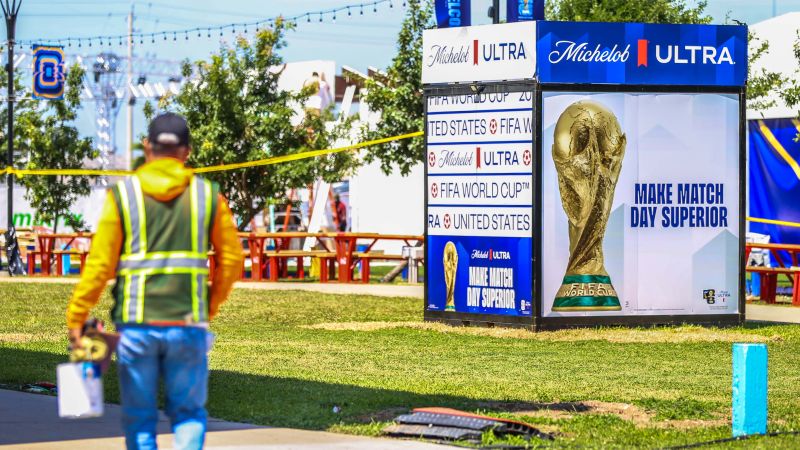
For Anheuser-Busch, the World Cup’s official beer sponsor, this connection is a key advantage. The company has held the deal for over four decades, but this year’s strategy includes highlighting Michelob Ultra on an MVP trophy. This low-carb brand has emerged as a top seller, signaling a shift in consumer preferences. Doukeris, the company’s CEO, stressed the importance of bars as gathering spaces. “The bars will be the places where people will get together to watch the games,” he said.
Heineken and Molson Coors: Diversifying Strategies
Other players are also adapting their approaches. Heineken, though not a World Cup sponsor, is doubling its marketing spend at bars. The brand will distribute promotional materials, including pennants and signs, and launch limited-edition soccer-themed packaging at retail outlets. Molson Coors, on the other hand, is increasing its summer ad budget by 60%, with campaigns designed to mimic the energetic calls of Spanish-speaking commentators like Andrés Cantor. The brewer is also using the platform to promote its non-alcoholic Coors 0.0% beer, tapping into a rapidly growing segment of the market.
These efforts reflect a broader industry trend: companies are seeking innovative ways to attract consumers amid changing habits. Whether through traditional beer sponsorships or new ventures in spirits and non-alcoholic beverages, the World Cup is being viewed as a chance to reinvigorate sales. But the question remains—will the event be enough to reverse the decline, or is it merely a temporary fix in a market that continues to evolve?
Looking Ahead: The Tournament’s Impact
As the World Cup progresses, the success of these initiatives will be closely monitored. For Diageo, the stakes are high, with the tournament potentially serving as a turning point in its North American strategy. For the entire industry, the event offers a rare opportunity to unite consumers around a shared experience. Yet, the outcome may depend on how effectively brands can adapt to the shifting landscape of drinking preferences.
Ultimately, the World Cup is more than just a sporting event—it’s a test for the alcohol industry. With the right strategy, it could become a catalyst for growth. But if the momentum falters, it may be another setback in a long string of challenges. The next few weeks will be telling for the companies betting on the tournament to revive their fortunes.
