
Federal judge voids Trump’s $100,000 fee requirement for H-1B visas
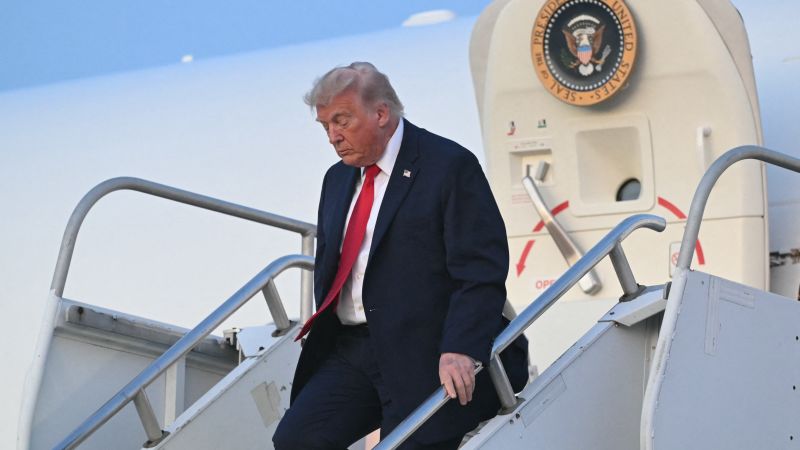
Federal Judge Strikes Down Trump’s $100,000 H-1B Visa Fee Requirement
Federal judge voids Trump s 100 000 – In a landmark decision issued on Monday, a federal judge ruled to dismantle President Donald Trump’s controversial policy mandating a $100,000 application fee for H-1B visas. The policy, which aimed to curb the use of the program by U.S. companies, was deemed unconstitutional by US District Judge Leo Sorokin, who emphasized that the president lacked the authority to enforce such a tax on immigration petitions. The ruling invalidated the requirement, which had been imposed several months prior as part of Trump’s broader effort to reform the visa system.
Legal Basis and Judicial Reasoning
US District Judge Leo Sorokin, appointed by former President Barack Obama, delivered a 42-page decision that centered on the constitutional limits of executive power. The judge argued that the federal immigration law, while granting the president broad authority to adjust policies, did not extend to imposing taxes. He stated that the $100,000 fee, which significantly increased the cost for employers seeking to hire foreign professionals, was effectively a tax and that Congress had not authorized the executive branch to enact it unilaterally.
“The President had no power or delegated authority to impose a tax on H-1B petitions,” Sorokin wrote, highlighting the lack of legislative backing for the policy change. The ruling underscored the distinction between policy adjustments and financial levies, with the judge asserting that only Congress could mandate such a fee as part of broader immigration reform.
The H-1B Program and Its Purpose
The H-1B visa program, designed to allow foreign professionals to work in specialized fields, has long been a cornerstone of U.S. immigration policy. Originally established in 1990, the program permits employers to sponsor highly skilled workers, often in industries such as technology, engineering, and healthcare. Applicants must hold a bachelor’s degree or its equivalent, and the visa is valid for up to six years, with the possibility of extensions.
Proponents of the program, including economists, argue that it enables U.S. companies to remain competitive in a global market by filling critical talent gaps. These workers are said to contribute to innovation, economic growth, and job creation, particularly in sectors where domestic labor may be scarce. Critics, however, have raised concerns about potential exploitation of American workers, claiming that the program allows employers to prioritize foreign labor over local hiring.
Political Context and Legal Challenges
The $100,000 fee, implemented in an effort to reduce the number of H-1B visas issued, faced immediate opposition. A coalition of Democratic state attorneys general filed a lawsuit in December, challenging the policy’s legality. The case became a focal point of the broader debate over executive authority in immigration matters, with the administration defending the measure as a necessary step to protect domestic workers.
During the legal proceedings, the Trump administration maintained that the president’s authority to modify immigration policies was broad enough to justify the fee. However, Sorokin dismissed this argument, stating that the laws cited by the administration did not include provisions for taxing immigration applications. The judge’s decision reinforced the idea that major policy changes, especially those with financial implications, require explicit legislative approval.
Reactions and Implications
Following the ruling, the Justice Department spokesperson Natalie Baldassarre expressed support for the policy, stating, “We are committed to protecting American workers and fully back President Trump’s America First agenda.” She added that the administration would continue to hold companies accountable for alleged misuse of the H-1B program, even as the court’s decision temporarily halted the fee requirement.
On the other hand, New York Attorney General Letitia James, who led the lawsuit, hailed the ruling as a victory for immigrant communities. In a statement, she said, “The court has ended this administration’s illegal attempt to dismantle a vital program that supports thousands of jobs.” James emphasized that the policy’s removal would prevent further harm to workers and the broader economic contributions of the H-1B visa system.
The decision has significant implications for the future of U.S. immigration policy. It sets a precedent that the president cannot unilaterally impose financial burdens on the visa program without congressional consent. This could influence upcoming debates over other immigration measures, such as changes to visa caps or employment restrictions. Employers who had already paid the $100,000 fee may now seek refunds, while others prepare for potential adjustments to their hiring strategies.
Broader Impact and Ongoing Debates
While the ruling struck down the fee, it has not resolved the underlying controversy over the H-1B program. Supporters argue that the policy ensures U.S. businesses can access global talent, which is essential for technological advancement and economic competitiveness. Opponents, meanwhile, contend that the program often favors high-profile companies over individual workers, particularly in times of economic downturn.
The judge’s emphasis on the tax nature of the fee also opens the door to further legal challenges. If the policy is viewed as a financial imposition rather than a regulatory change, it could be subject to additional scrutiny. This might lead to broader questions about the balance between executive action and legislative oversight in immigration reform.
As the legal battle over the H-1B visa program continues, the ruling underscores the importance of congressional authority in shaping immigration policy. The case highlights how policy changes can spark immediate political and legal responses, with the judiciary serving as a critical check on executive power. For now, the fee requirement is in limbo, with the administration likely to appeal the decision and seek further clarification on its legal standing.
Meanwhile, the decision has reignited discussions about the role of H-1B visas in the U.S. economy. Advocates for the program stress its contributions to innovation and workforce diversity, while critics urge Congress to pass more stringent regulations to ensure fair treatment of both foreign and domestic workers. The outcome of this case may influence the direction of future immigration legislation, potentially leading to a reevaluation of the program’s structure and funding mechanisms.
CNN’s Casey Gannon, Alejandra Jaramillo, and Adam Cancryn contributed to this report. The story has been updated to include additional responses from stakeholders involved in the legal proceedings.
