
Grand juror called DOJ’s controversial Chicago protest indictment ‘a crock’ before it was approved, transcript shows
Grand Juror Criticizes DOJ’s Chicago Protest Indictment as ‘Crock’
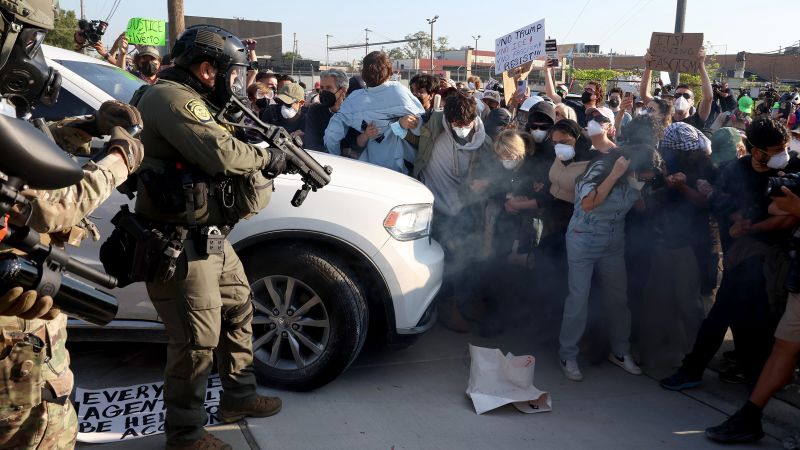
Grand juror called DOJ s controversial – Transcripts of October grand jury sessions in Chicago have exposed internal doubts about the Justice Department’s indictment of six Democratic politicians and activists tied to protests at a federal immigration detention center. The documents, newly released, reveal that a grand juror openly questioned the validity of the charges, calling the indictment a “crock” before its approval. This moment of transparency highlights the contentious nature of the case, which has sparked heated debates about the role of political influence in legal proceedings.
Procedural Doubts and Political Influence
The indictment, targeting the so-called “Broadview Six,” was presented multiple times to the grand jury, drawing criticism for its lack of clear evidence. A grand juror called DOJ’s controversial actions “a crock” in a direct exchange, suggesting the case was driven more by political motives than legal merit. Prosecutors, however, persisted in their efforts to secure the indictment, even after the grand jury initially rejected the charges, raising concerns about procedural fairness and transparency.
According to the transcripts, the Chicago US Attorney’s Office faced significant pushback from jurors. One juror expressed frustration, stating that the case had not provided new facts to justify the indictment. “I’m feeling the skepticism already. Are you going to be able to listen with an open mind?” prosecutors asked, reflecting the pressure to sway the jury’s opinion. The grand juror called DOJ’s controversial approach to the case “a crock of shit,” emphasizing the perception of political bias.
Repetition and Institutional Pressure
The grand jury convened every Thursday in October, reviewing the Broadview Six case repeatedly. This pattern of multiple sessions drew attention to the lack of consensus among jurors, with some clearly opposed to the charges. A grand juror called DOJ’s controversial tactics “a crock” even as the indictment was finalized, highlighting the tension between the prosecution’s urgency and the jury’s skepticism.
One key moment in the transcripts shows prosecutors excusing a juror who had indicated a “no” vote, a move that the judge later criticized. This action, taken to expedite the process, led to the approval of the indictment despite lingering doubts. The grand juror called DOJ’s controversial strategy “a crock,” arguing that the decision undermined the integrity of the grand jury’s role in the justice system.
Legal Reactions and Broader Implications
The release of the transcripts has intensified scrutiny of the Chicago US Attorney’s Office. Defense attorneys and legal analysts have pointed to the case as evidence of the DOJ’s willingness to prioritize political goals over due process. “These transcripts prove that the grand jury in the Broadview 6 case repeatedly attempted to say ‘no’ to this crock,” one defense attorney stated, underscoring the controversy surrounding the indictment.
The grand juror called DOJ’s controversial indictment of the Broadview Six a “crock” even as the decision was finalized. This critique has fueled broader discussions about the balance between political activism and judicial independence. Some argue that the case exemplifies how political considerations can shape legal outcomes, while others maintain that the grand jury ultimately upheld the indictment through its final vote.
Leadership and Reform Debates
The controversy has placed the Chicago US Attorney’s Office under pressure, with questions about leadership accountability. While acting Attorney General Todd Blanche publicly supported the office’s actions, the transcripts suggest a disconnect between high-level political backing and the challenges faced during the indictment process. The grand juror called DOJ’s controversial approach “a crock,” indicating that the process may have been manipulated to align with broader political narratives.
Legal experts warn that the case could set a precedent for future indictments, where political influence might overshadow legal evidence. The grand juror called DOJ’s controversial methods “a crock,” emphasizing that the decision to approve the indictment may have been driven by external pressures rather than a thorough evaluation of the facts. This has sparked calls for reforms to ensure transparency in how political factors are integrated into grand jury decisions.
