
FBI seizing evidence at California plant where chemical tank overheated and forced evacuations
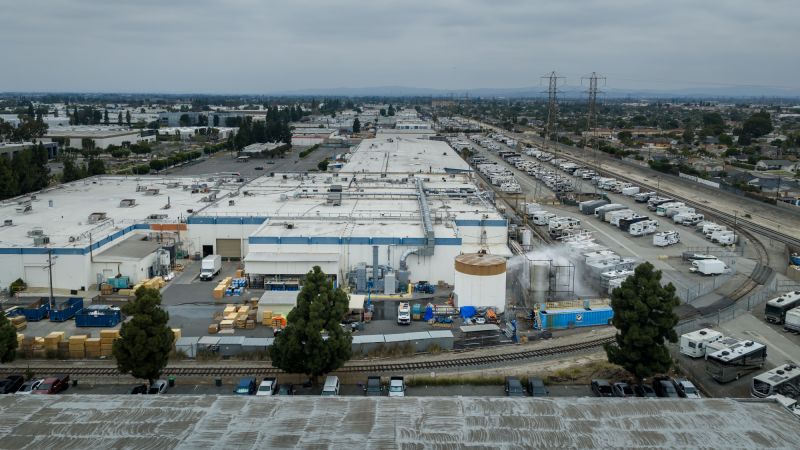
FBI Seizing Evidence at California Plant Amid Chemical Tank Incident
FBI seizing evidence at California plant – On Wednesday, federal agents executed a search warrant at a Southern California aerospace facility, where a chemical tank had earlier overheated, prompting the evacuation of nearly 50,000 residents. The warrant, signed by a federal judge last week, authorized the seizure of records and documents concerning the “storage, use, or disposal” of methyl methacrylate, the flammable substance stored in the affected tank. The order also targeted samples from any containers suspected of holding or previously containing the chemical, as well as materials related to cooling systems used to manage its temperature.
Evacuation Impact and Safety Measures
The incident, which occurred last month, caused widespread disruption in the region, with officials scrambling to ensure public safety. The tank, which held between 6,000 and 7,000 gallons of methyl methacrylate, was a critical component of the plant’s operations. While no contamination or toxic fumes were reported during the emergency, county health officials have pledged to monitor air quality, sewer systems, and storm drains for several months to confirm no long-term risks. This precaution comes as the community remains in limbo, with evacuations still in effect for some areas.
“We are cooperating with authorities at our Garden Grove facility and will continue to do so,” said a GKN Aerospace spokesperson in response to inquiries about the FBI’s investigation.
The search at GKN Aerospace Transparency Systems in Garden Grove, Orange County, is part of a broader probe into the incident. The FBI confirmed the operation, emphasizing the agency’s focus on gathering evidence to determine the cause of the tank’s overheating. This includes examining how the chemical was handled and whether safety protocols were followed. The company, which produces cockpit windows, canopies, and windshields, has been a key player in the aerospace industry for years.
Chemical Properties and Health Risks
Methyl methacrylate, a clear liquid used in the production of plastics and coatings, is known for its combustibility. According to the Environmental Protection Agency, exposure to the chemical can lead to severe respiratory issues, neurological effects, and irritation to the skin, eyes, and throat. These health concerns prompted officials to issue evacuation orders, as the potential for a hazardous release was a primary factor in their response. The chemical is also commonly found in dental prosthetics and other industrial applications, highlighting its widespread use.
While the immediate danger was contained, the incident has raised questions about the facility’s safety measures. GKN’s Steve Carlin addressed the community during a meeting on Tuesday, expressing gratitude to the firefighters and local leaders who responded swiftly. He also apologized for the disruption, noting the company’s deep ties to Garden Grove. “This event has been unsettling for our community, especially considering our long-standing relationship with the area,” Carlin said.
Criminal Investigation and Legal Actions
Separate from the FBI’s search, the Orange County District Attorney’s Office has launched a criminal investigation into the incident. DA spokesperson Kimberly Edds confirmed that a preservation letter was sent to GKN, instructing the company to retain all evidence related to the event. “The company’s outside counsel has received and acknowledged the letter,” Edds stated in an email. This step is crucial for potential legal proceedings, as about a dozen individuals and businesses affected by the evacuation have already filed federal lawsuits against GKN Aerospace.
The criminal inquiry aims to assess whether the company adhered to safety standards or if negligence contributed to the tank’s overheating. Investigators are particularly interested in the cooling equipment used at the plant, which is central to managing the chemical’s temperature. The FBI’s seizure of records and samples will complement this effort, providing a comprehensive view of the incident’s causes and consequences.
Community Response and Ongoing Monitoring
Residents in Garden Grove continue to live under evacuation conditions, with authorities working to ensure their safety. The local government has been in constant communication with the public, offering updates on air quality and the status of the plant. Meanwhile, GKN Aerospace is under scrutiny for its role in the crisis. The company’s cooperation with federal agencies is seen as a positive step, though concerns remain about the adequacy of its safety protocols.
As the investigation unfolds, the focus remains on understanding how the overheated tank could have led to such a large-scale evacuation. The tank’s capacity of 6,000 to 7,000 gallons underscores the potential scale of the incident. Officials have also highlighted the importance of the plant’s operations, which employ over 500 workers, in the broader context of the region’s economy. The question now is whether the company’s actions will be deemed sufficient to prevent future emergencies.
The legal and regulatory scrutiny following the event is part of a larger effort to hold companies accountable for industrial safety. With multiple agencies involved, the case may set a precedent for how such incidents are investigated in the future. Meanwhile, the community waits for clarity on the situation, hoping for a swift resolution that addresses both the immediate safety concerns and the long-term implications of the event.
In addition to the FBI and DA’s efforts, environmental experts are analyzing the incident to assess its impact on local ecosystems. While no immediate contamination was detected, the potential for long-term effects remains a topic of discussion. The company’s transparency in sharing information with authorities and the public will be key in rebuilding trust in the community.
As the days pass, the search for answers continues. The seized evidence is expected to shed light on the technical and procedural aspects of the tank’s failure, potentially revealing whether human error, equipment malfunction, or external factors were responsible. For the residents of Garden Grove, the hope is that these efforts will lead to improved safety measures and prevent similar incidents in the future.
