
Trump administration proposes new rules on prediction markets that would still allow most sports activity
Trump Administration Introduces Prediction Market Regulations, Prioritizing Sports Betting
Trump administration proposes new rules on prediction – On June 10, 2026, the Trump administration unveiled a set of federal regulations aimed at overseeing prediction markets. The proposed guidelines, announced by the Commodity Futures Trading Commission (CFTC), appear to maintain the current state of the industry while introducing targeted measures to address concerns about market integrity. Despite calls for stricter oversight from various groups, the rules largely preserve the operational framework of prediction platforms, with a specific focus on enabling continued sports-related trading.
Focus on Sports Markets and Their Unique Risks
The CFTC’s new framework targets sports markets, which account for the majority of trades on platforms such as Kalshi and Polymarket. These markets, critics argue, mirror traditional gambling in their structure and outcomes. However, the administration’s proposal emphasizes a balanced approach, allowing most sports betting while setting mechanisms for federal regulators to scrutinize vulnerable areas. For example, contracts that speculate on player injuries or officiating decisions—events that could be easily manipulated—are now highlighted as potential areas for increased oversight.
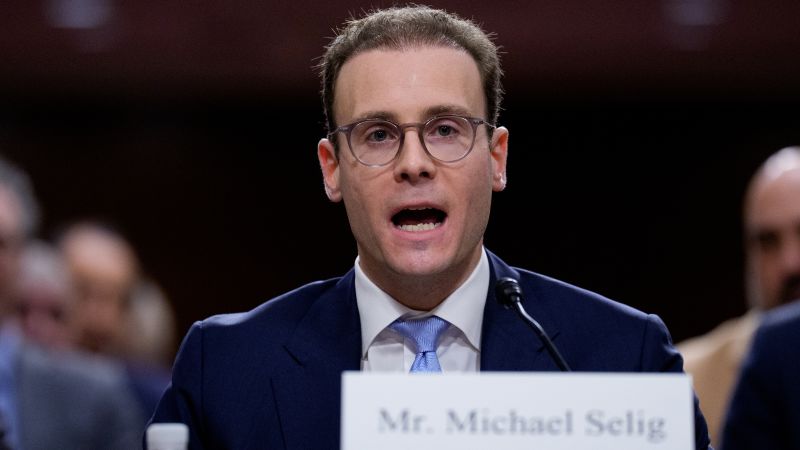
“The CFTC will protect the integrity of our regulated markets without standing in the way of responsible innovation,” said CFTC Chair Mike Selig in a statement. “This proposal gives the Commission a durable, transparent framework to identify the contracts Congress directed us to scrutinize while letting legitimate markets move forward.”
Among the specific sports-related markets under review are so-called “first-pitch” contracts in baseball, which predict the type of pitch a starting pitcher will deliver. These contracts, while seemingly simple, place significant influence in the hands of a single athlete, raising questions about their fairness. The proposal also includes provisions for monitoring potential futures markets focused on high school sports, which have grown in popularity but remain less regulated than professional leagues.
Stakeholder Discontent and Unmet Expectations
While the administration’s approach has been welcomed by some, it has drawn criticism from a range of stakeholders who advocated for more comprehensive changes. State regulators, members of Congress, addiction counselors, casino industry lobbyists, and even certain sports leagues argued that the rules should be more stringent. For instance, some proposed raising the minimum age for participation in prediction markets from 18 to 21, citing concerns about youth gambling addiction. Others called for a ban on prop bets tied to individual athletes, such as contracts that predict a player’s performance or injury status.
Additionally, several groups pushed for a reversal of the Biden-era policy that sought to restrict election-related betting. These efforts aimed to create a clearer distinction between financial markets and gambling, but the Trump administration’s proposal has not fully addressed those demands. Instead, it retains the current legal classification of prediction markets, which are governed under the Commodity Exchange Act rather than state gambling laws.
Legal Classification and Market Structure
Under existing U.S. law, prediction markets are categorized as financial instruments, not gambling. This distinction is crucial, as it allows them to operate under federal oversight rather than state-level regulations. The CFTC has long viewed these markets as akin to futures trading, where participants bet on events like weather forecasts or political outcomes, much like how traders speculate on soybean prices. However, the rise of sports-focused contracts has blurred this line, prompting debates about their classification.
Currently, prediction sites do not set betting odds, which differentiates them from traditional casinos. Instead, they function as event contracts, where users trade tokens based on the likelihood of specific outcomes. For example, a contract might predict whether a particular athlete will win an award or if a team will achieve a certain result. This structure, critics contend, makes sports prediction markets indistinguishable from gambling in practice, even if they are legally categorized differently.
Some states have challenged this classification, arguing that sports bets on prediction platforms should be treated as gambling. These legal battles have centered on the idea that such markets encourage risky behavior and may lead to widespread financial harm. Yet, the CFTC maintains that its approach ensures accountability without stifling innovation. The new rules provide a mechanism for federal regulators to intervene in cases of market manipulation, particularly in high-stakes or easily influenced contracts.
Industry Response and Editorial Independence
CNN has sought comments from Polymarket and Kalshi, two prominent prediction platforms, to gauge their perspectives on the proposed regulations. The network has a partnership with Kalshi, using its data to cover major events, but editorial staff are barred from using prediction markets themselves. This policy underscores the network’s commitment to maintaining objectivity in its reporting.
Despite the administration’s emphasis on oversight, the proposal is seen as a compromise. While it addresses concerns about manipulation in specific sports markets, it stops short of banning all gambling-like contracts. This decision has sparked mixed reactions, with some industry leaders praising the clarity it provides, while others worry it leaves room for continued risks. The rules also leave open the possibility for future regulations targeting additional areas, such as virtual sports or international betting events.
As the debate over prediction markets continues, the administration’s proposal represents a middle ground. It acknowledges the need for regulation but avoids imposing overly restrictive measures that could hinder the industry’s growth. With sports markets dominating the landscape, the CFTC’s focus on these areas reflects the administration’s priorities in balancing innovation with consumer protection. The next steps will involve public feedback, congressional review, and potential legal challenges, all of which could shape the future of this evolving financial sector.
The proposal’s acceptance by the CFTC signals a shift in how sports betting is perceived within the federal regulatory framework. While critics argue that the rules do not go far enough, the administration has framed them as a necessary step toward modernizing oversight. By allowing most sports-related trades to continue, the regulations aim to support the industry’s expansion while addressing specific vulnerabilities that could impact market fairness.
As the financial and sports industries grow, the need for clear guidelines becomes more pressing. The CFTC’s approach highlights the challenges of classifying prediction markets, which straddle the line between financial speculation and gambling. By introducing targeted measures, the administration seeks to establish a framework that empowers regulators to act when necessary without stifling the dynamic nature of these markets. The outcome of this proposal could set a precedent for how prediction markets are managed in the years to come, influencing both policy and practice in the sector.
