
Want to save money at the grocery store? It’s harder than you think
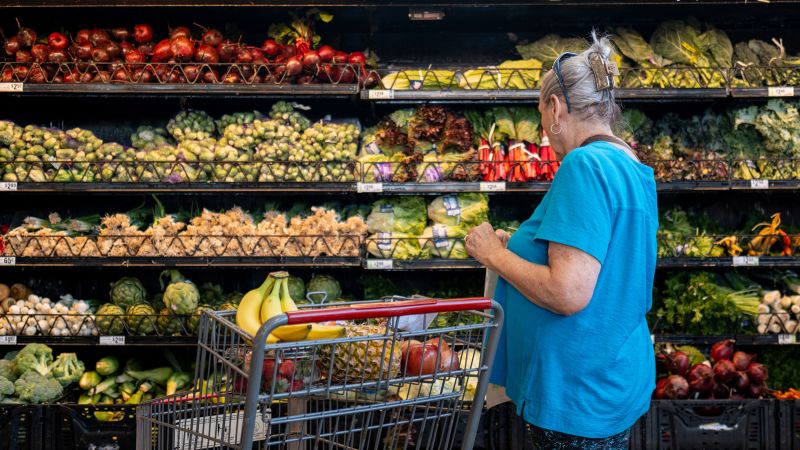
Want to save money at the grocery – Your supermarket is a mini-economy unto itself. Grocery prices have risen 2.7% over the past year — that’s actually quite a bit less than overall inflation (which is 4.2%, as we learned today), and that’s for a good reason: High gas prices haven’t made their way down all the supermarket aisles just yet. The US-Israeli war with Iran has certainly complicated grocery shopping, raising shipping costs for many perishable foods like fresh fruits and vegetables.
But not all food prices change equally or at the same rate. The prices at your local market rise and fall for all kinds of reasons. Knowing which prices are rising and which are falling – and why – can help you score better deals.
Let’s start in the produce aisle. In general, fresh fruit is a pretty good buy — prices have risen 2.1% over the past year. That’s less than US inflation and less than overall grocery inflation.
But pick the wrong fruit and you start to get into trouble. Apple prices are up 5.6%. Why?
They’re mostly imported this time of year, and those surging diesel costs are getting added into the price. Citrus is way up — 6.1% over the past year. But that’s mostly because Florida’s and Brazil’s orange crops have an ongoing, devastating citrus greening problem.
Fresh vegetables are even tougher, up 11.9% over the past year. The biggest price gains: tomatoes (OK, technically a fruit, but classified as a vegetable. Tomayto; tomahto).
They’re up 32% over the past year because of a combination of record cold temperatures this winter, way too much rain, plus tariffs and rising diesel costs. Lettuce is up 24.9% for the same reason. Pro tip: Buy potatoes and bananas.
Their prices have fallen 0.6% and 1.2%, respectively, over the past year because of remarkably good harvests in Idaho and Costa Rica this year. Although banana prices have been trending higher in recent years, one banana still thankfully costs less than $10. Prices fell over the past year after farmers in Costa Rica expanded production.
If you think you’ll be getting a better deal with canned fruits or vegetables, think again. They’re up 5.2% over the past year — 7.1% for fruits alone. Pro tip: Buy frozen.
They’re healthier than fresh fruits because they lock in vitamins when they’re flash-frozen. And their prices are far more stable — up just 2.1% over the past year. Shoppers looking for a morning boost are well aware coffee prices have surged over the past year because of tariffs and climate change.
Making your coffee at home will save you money – but it’s still going to cost you more now than last year. Coffee prices at the grocery store are up 17.5%over the past year. Pro tip: Choose tea instead.
Prices are up just 1.4%. If you’re grilling this summer, it’s going to be expensive. Beef prices are up 12.9% because of 75-year-lows in herd counts, massive droughts in the South and the higher cost of feed.
Screwworm isn’t going to help matters. Fresh fish is up 6.5%, but frozen isn’t going to save you as much as you think — frozen fish prices are growing even faster than fresh – 7.5% over the past year. Pro tip: Switch what you’re grilling.
Pork is up just 2.6% over the past year.And chicken is down 0.6%, still falling after a nasty bout of avian flu a year ago. Making breakfast? Good news!
Egg prices have fallen a stunning 35.2% from last year’s avian flu crisis. Bacon prices are up just 1%, and cereal is up 1.2% — still less than overall inflation. That’s because a shelf-stable food like cereal can be warehoused for a long time and isn’t as susceptible to rising diesel prices.
Avoid sweets — not just for your health but because of your wallet. Candy prices are up 9.3%, boosted in particular by chocolate because of – yep – tariffs and climate change. Pro tip: Buy frozen desserts like pies and tarts to satisfy your sweet tooth; those prices are up just 0.2%.
