
The World Cup is in desperate need of a vibe shift. The matches have arrived just in time
The World Cup Needs a Vibe Shift as Matches Kick Off in 2026
The World Cup is in desperate – The 2026 World Cup has launched, bringing together the U.S., Mexico, and Canada in a bid to redefine global soccer. However, the tournament’s initial days have raised concerns about its ability to capture the spirit of unity and excitement that once defined the event. While the matches have technically arrived, the atmosphere feels strained, with cultural and political tensions casting a long shadow over its opening stages.
The Host Nation’s Challenges
Despite the logistical triumph of hosting the World Cup across three nations, the event has struggled to align with its ambitious vision. The 2018 announcement of the U.S., Mexico, and Canada as co-hosts was celebrated as a historic moment, promising to bridge divisions and create shared joy. Yet, the current iteration has faced criticism, with some arguing that political issues, such as immigration policies under the Trump administration, have dampened the festive mood.
The expansion of the tournament to 48 teams, a first in history, has introduced new dynamics. However, the focus has shifted from the game to the broader geopolitical context. Stricter visa requirements and public transportation costs have created barriers for fans, while the exclusion of a Somali referee from the U.S. highlighted lingering challenges in inclusivity. These factors have sparked conversations about whether the World Cup has lost its way in the pursuit of global reach.
Meanwhile, the U.S.-Iran tensions have further complicated the narrative. The conflict has seeped into discussions about the tournament’s geopolitical significance, with some fans questioning whether the event can remain a neutral platform for international camaraderie. Social media has amplified these debates, as Americans and Europeans engage in contentious exchanges over trivial aspects like stadium ambiance and weather conditions, overshadowing the game’s core purpose.
The Tournament’s Global Reach
The World Cup’s geographic spread has created a unique challenge. Matches now take place across four time zones, from Mexico City to the remote corners of the U.S. and Canada, requiring fans to adjust their schedules. While this diversity is a strength, it has also led to fragmented attention. In contrast to the concentrated excitement of previous tournaments, the 2026 edition has seen a more cautious approach from the public, with some expressing doubt about its ability to inspire collective joy.
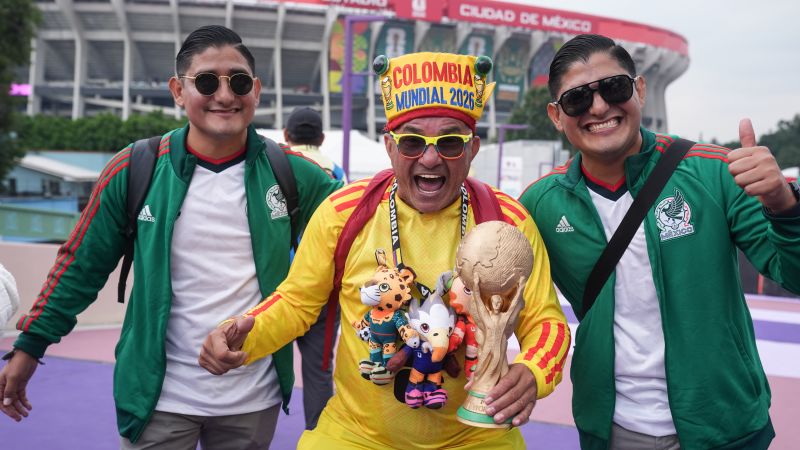
Yet, the event’s scale offers opportunities for cultural exchange. In Mexico, South Korean fans have joined locals in energetic celebrations, and mariachi bands have welcomed teams with traditional flair. In the U.S., unexpected moments like discovering the popularity of ranch dressing or tubing down the Chattahoochee River have provided fans with memorable experiences. These vignettes suggest that the World Cup can still bring people together, even as it navigates complex global dynamics.
The tournament’s structure is designed to maximize participation, with staggered match times allowing fans to watch games during convenient hours. This innovation aims to enhance engagement, but it has also diluted the traditional sense of global simultaneity. As the event unfolds, the balance between logistical practicality and the iconic grandeur of the World Cup will be crucial in determining its success.
As the 2026 World Cup kicks off, the focus remains on whether it can reclaim its identity as a unifying celebration. With 48 teams competing across three countries, the stakes are higher than ever. But the tournament’s ability to inspire a shared cultural experience will determine if it truly fulfills its mission to redefine global soccer.
Despite these challenges, the World Cup is in desperate need of a revitalized energy. The opening matches have set the stage for a new era of talent, with emerging stars like Lamine Yamal and Michael Olisé poised to make their mark. Yet, for the event to thrive, it must overcome the distractions that have emerged in its first weeks. The journey is just beginning, and the success of the World Cup will hinge on its ability to adapt while staying true to its global essence.
