
Inside the ‘highly complex’ preparations for Trump’s UFC fight: $60M for staging, port-a-potties and other logistics
Inside the ‘highly complex’ preparations for Trump’s UFC fight: $60M for staging, port-a-potties and other logistics
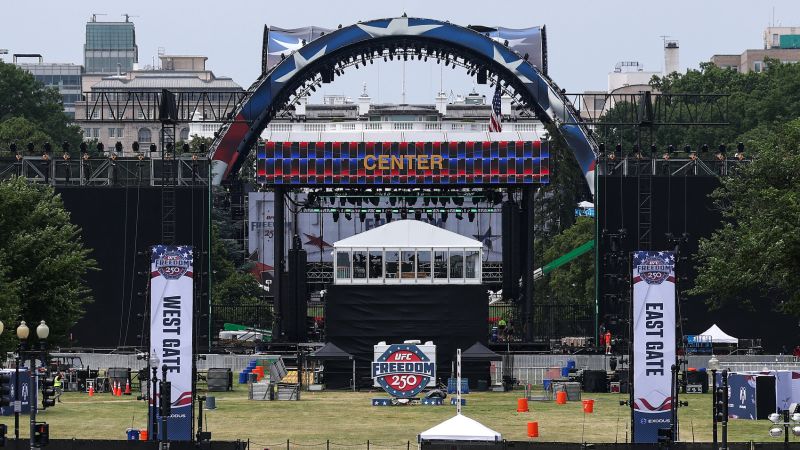
Inside the highly complex preparations for Trump – Staging a high-profile UFC event for over 100,000 spectators at the White House represents an unprecedented logistical feat. Unlike traditional venues with established infrastructure, the South Lawn and Ellipse require every element to be built from scratch, from the iconic “octagon” fighting cage to temporary facilities like port-a-potties. According to court filings released this week, the total cost of the event has surpassed $60 million, encompassing everything from food services to emergency response systems. This figure highlights the scale of the undertaking, which involves coordinating between public and private organizations to ensure seamless execution.
Logistical Challenges and Crowd Growth
The event’s complexity is amplified by its location in the heart of Washington, D.C. Court documents submitted by the Trump administration detail the effort to accommodate the anticipated 125,000 attendees, with an additional 75,000 ticket requests. This surge in attendance, compared to President Trump’s initial estimate of 20,000 people at the Iowa state fairgrounds in June 2025, underscores the event’s significance as both a sporting spectacle and a political statement. The UFC’s decision to host the fight during Trump’s 80th birthday adds another layer of symbolism, though opponents argue it’s more about celebrating the president’s personal milestone than the nation’s 250th anniversary.
“Fisher stated in his sworn declaration that the event’s cost includes a substantial volume of perishable food items for the anticipated 4,000 South Lawn guests and over 120,000 Ellipse guests.”
White House management and administration director Joshua Fisher emphasized the meticulous planning behind the event, describing it as a “highly complex, multi-faceted” operation. His statement, part of a legal filing, outlines the collaboration between the federal government and private entities to meet the demands of a large-scale public gathering. The administration’s argument hinges on the claim that the event is exempt from standard permitting requirements due to its association with the country’s 250th birthday celebration, a provision that critics say is being stretched to justify the White House’s involvement.
The Role of the Federal Government and UFC
The UFC’s role in the event is multifaceted, covering production, labor, construction, and promotion. Meanwhile, the federal government has contributed by providing emergency equipment and services, including first aid, law enforcement, and security. This partnership is evident in the installation of a custom “Claw” arched lighting structure and the deployment of port-a-potties to manage the crowd. The documents reveal that the planning process began even before Trump’s Iowa announcement, with permitting applications submitted to the National Park Service and coordination with federal agencies to align schedules.
While the UFC focuses on the event’s entertainment aspects, the government ensures safety and order. The event’s programming includes military bands, a performance by Zac Brown Band, a Golden Knights flyover, and the iconic ten-minute fireworks finale. These elements are designed to create a festive atmosphere for the 125,000 attendees, many of whom will watch the fight live on the Ellipse or via telecast. The White House’s South Lawn will host the main event on Sunday night, with the president, first lady, and top officials in attendance.
Legal Hurdles and Environmental Review
Despite the extensive planning, the event faces legal challenges. A lawsuit argues that the UFC fight is being held at the White House without proper environmental review or permitting processes, citing a federal rule that allows events celebrating the nation’s 250th birthday to bypass certain regulations. The plaintiffs contend that the fight is not a genuine commemoration of American history but a vehicle for Trump’s personal celebration. This contention has led to a request for a court decision by Thursday, though US District Judge Amit P. Mehta, appointed by former President Barack Obama, has not yet scheduled a hearing.
“Fisher said in a sworn declaration that halting the event now would impose exorbitant costs on all parties involved.”
The UFC and the Trump administration maintain that the event’s logistical demands justify its expedited approval. With the fight set for a tight schedule, the team has had to manage a constant influx of equipment, including staging infrastructure and technical gear, from May 20 onward. Each day, 20 to 30 trucks carrying materials were screened and installed on White House grounds, a process that required 700 to 900 subcontractors working under strict security protocols. These measures reflect the high stakes of the event, which has become a focal point for both public and political scrutiny.
Event Timeline and Public Engagement
As the fight approaches, the schedule has been carefully designed to maximize public engagement. On Friday, UFC will host a press conference and face-offs at the Lincoln Memorial, followed by a ceremonial weigh-in and other activities on Saturday at the Ellipse. These events are intended to build anticipation while ensuring the main fight on Sunday remains the centerpiece of the week-long celebration. The coordination of such a tight timeline highlights the pressure on organizers to deliver a flawless execution, balancing the demands of a live audience with the need for broadcast readiness.
Even the smallest details have been scrutinized, from the logistics of managing 494 port-a-potties to the selection of food vendors. The documents reveal that the administration’s support has been critical in fast-tracking the event, though it has also drawn criticism for prioritizing political events over standard regulatory procedures. Supporters of the UFC’s efforts argue that the White House’s resources and visibility provide an unparalleled platform for the fight, while opponents insist that the lack of environmental review could have long-term implications for the area’s ecological and cultural impact.
Conclusion and Implications
With the final days counting down to the event, the UFC and the Trump administration remain focused on its successful staging. The $60 million investment underscores the commitment to delivering a high-quality experience for all attendees, regardless of their location. However, the lawsuit’s persistence and the judge’s potential intervention could force a reassessment of the event’s plans. Whether the fight proceeds as scheduled or faces delays, its impact on public perception of the White House as a venue for both political and entertainment events is already significant.
The event’s culmination on Sunday night will not only showcase the UFC’s capabilities but also test the administration’s ability to navigate regulatory challenges while maintaining a festive, celebratory tone. As the South Lawn prepares for the largest gathering of its kind, the logistics behind the event serve as a testament to the coordination required to transform a presidential estate into a temporary arena for combat sports. The outcome of this legal battle may shape how future large-scale events are planned and approved, especially those held in iconic public spaces with historical and symbolic weight.
