
Rubio compares the founding of the UFC to landing a man on the moon
Rubio compares the founding of the UFC to landing a man on the moon
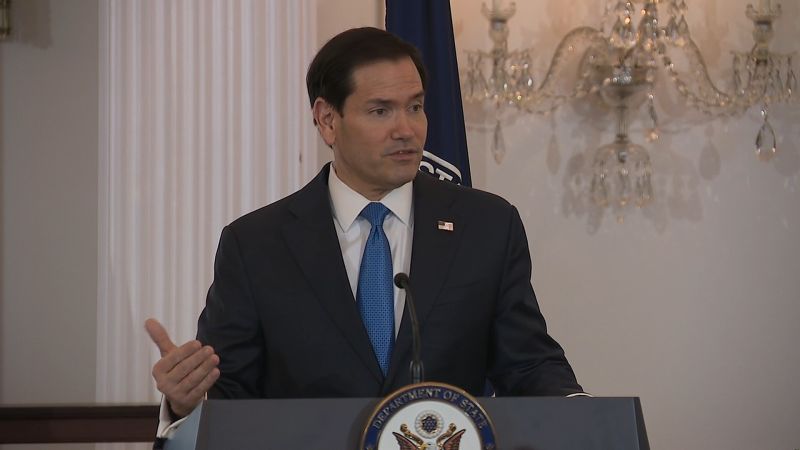
Rubio compares the founding of the UFC – In a recent address at the State Department, US Secretary of State Marco Rubio highlighted the cultural significance of the Ultimate Fighting Championship (UFC) as a symbol of American innovation and perseverance. During a press briefing, he drew a striking parallel between the creation of the combat sports organization and the historic Apollo 11 moon landing, framing both as milestones of audacious national achievement. This analogy, which resonated with themes of American exceptionalism, was delivered in a tone reminiscent of political campaigning, underscoring Rubio’s growing interest in leveraging sports diplomacy to advance his public image.
Ambitious Vision and Diplomatic Leverage
Rubio, who has previously sought the presidency, emphasized that the UFC embodies the spirit of American ambition. “When President Kennedy announced that we were going to put a man on the moon and return them safely to the earth, no one thought that was possible, and we did it,” he said, echoing the iconic 1960s speech that galvanized the nation. The Secretary of State later inked an agreement to use the UFC as a tool for US diplomacy, citing its ability to bridge cultural divides and promote global understanding. “This company, what UFC has been, is a testament to the idea that America does what others dare not,” he added, speaking at the event.
“When President Kennedy announced that we were going to put a man on the moon and return them safely to the earth, no one thought that was possible, and we did it.”
Rubio described the UFC as “the United Nations of fighting,” a phrase that encapsulates its role as a global platform where diverse cultures collide. He argued that the sport’s ability to educate Americans about international societies is a unique strength. “UFC fights are not just battles in the octagon—they’re opportunities to showcase how cultures interact and evolve,” he said. This perspective aligns with his broader narrative of using American exports to foster soft power abroad.
Political Ambitions and Public Exposure
While Rubio has publicly downplayed his prospects for the 2028 presidential race, his recent activities suggest a strategic effort to amplify his visibility. The White House briefing room and Capitol Hill have become key venues for his appearances, with segments tailored for social media to reach wider audiences. His comments on the UFC reflect a pattern of using high-profile events to position himself as a leader capable of inspiring collective action, a theme central to his political messaging.
The upcoming UFC event at the White House, scheduled to coincide with the 250th anniversary of US independence and President Donald Trump’s 80th birthday, has been hailed as a historic moment. Rubio framed the event as a celebration of American resilience and global influence, noting that “a billion people all over the world will be watching America celebrate its 250th birthday with the White House in the background.” This symbolism is designed to highlight the nation’s continued ability to achieve extraordinary feats, even in the face of political challenges.
Legal Challenges and Financial Ties
Despite the optimism surrounding the event, legal hurdles have emerged. Two Virginia residents filed a lawsuit to block the use of the White House grounds for the UFC fight, alleging that it prioritizes private profit over public interest. The plaintiffs argue that the event’s commercialization—offering promotional and branding opportunities—will directly benefit UFC CEO Dana White and President Trump, who reportedly purchased $50,000 in stock in the UFC’s parent company earlier this year.
The lawsuit warns of a potential “diplomatic crisis” if foreign leaders demand access to the event, citing concerns about the White House’s role as a symbol of national authority. Critics question whether the venue’s prestige is being exploited for a sports spectacle, while supporters defend the move as a natural extension of American cultural exports. “This is about using the nation’s greatest achievements to inspire future generations,” Rubio countered, dismissing the legal challenges as minor compared to the broader implications of the event.
“We’re excited about what this brand means about America’s ability to expand and reach out to different parts of the world.”
A New Era of Sports and Statecraft
The memorandum of understanding signed between the State Department and UFC outlines a partnership aimed at strengthening international relations through combat sports. Under the agreement, current and former athletes, coaches, and executives will serve as mentors and cultural ambassadors, traveling abroad to conduct clinics and workshops. These initiatives are intended to teach teamwork, leadership, and English language skills to youth in underserved communities, according to a State Department spokesperson.
Additionally, the collaboration will focus on co-hosting educational content that integrates MMA into global learning programs. “By aligning with the UFC, we can demonstrate American excellence in action,” the spokesperson stated. The partnership also includes coordinating international UFC events with US diplomatic missions, ensuring that the sport’s global reach complements national strategic goals. This strategy positions the UFC not just as an entertainment industry, but as a cultural ambassador for the United States.
The Broader Implications of the UFC’s Role
Rubio’s remarks underscore a broader shift in how American institutions are perceived on the world stage. By associating the UFC with the moon landing, he reinforces the idea that the nation’s achievements are defined by its willingness to take bold risks. “The whole idea of America is audacious,” he said, a sentiment that echoes through his political career and personal branding.
The UFC’s influence extends beyond sports, with its global popularity serving as a case study in cultural diplomacy. Rubio’s advocacy for the organization highlights the intersection of athletics and geopolitics, where the octagon becomes a stage for national identity. “This is one of the very few things left in our society that convenes us all,” he noted, emphasizing the UFC’s unique ability to transcend borders and uniting people through shared excitement and competition.
As the 250th anniversary of US independence approaches, the White House event symbolizes a modern reimagining of the nation’s founding ideals. While the lawsuit challenges the event’s legitimacy, Rubio’s vision suggests a future where American values are promoted through unconventional channels. The UFC, once a niche sport, now stands as a potential vehicle for showcasing the country’s soft power, blending historical milestones with contemporary diplomacy in a way that resonates with both domestic and international audiences.
