
Exclusive: US military rushed to prepare ground mission to capture Iran’s uranium, but Trump paused it, sources say
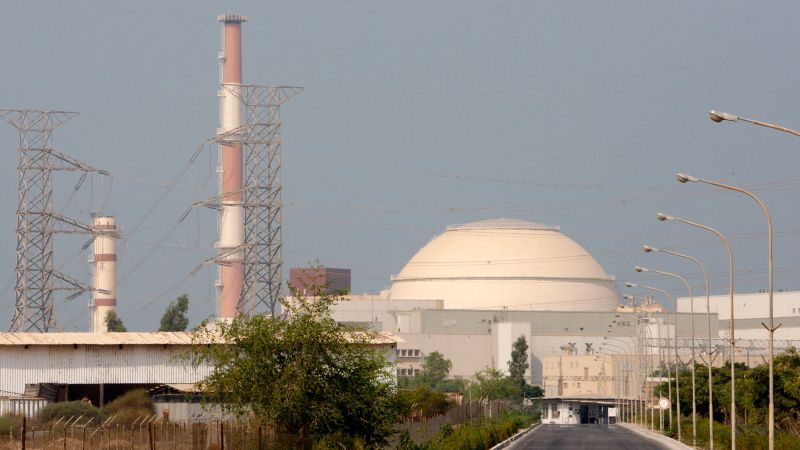
Exclusive: U.S. Military Prepares Ground Mission to Capture Iran’s Uranium, Sources Say
Exclusive: Senior U.S. military officials were reportedly in the final stages of planning a high-stakes operation to seize Iran’s enriched uranium, a key component for nuclear weapons, when President Donald Trump unexpectedly halted the effort, sources confirmed. The mission, which aimed to deploy ground troops into Iran to secure the highly concentrated material, was discussed in a classified briefing by Gen. Dan Caine, Chairman of the Joint Chiefs of Staff, late last month. This decision highlights the administration’s strategic dilemma, balancing the urgency of military action with the potential for regional escalation.
Rushed Briefing on Ground Mission to Capture Uranium
Exclusive: The urgency of the mission was underscored by a last-minute briefing at the U.S. Central Command headquarters in Tampa, Florida. Gen. Caine cut short a NATO meeting in Brussels to return to the U.S., emphasizing the critical nature of the operation. The plan involved securing 970 pounds of enriched uranium, nearly weapons-grade, from Iran’s nuclear facilities, a move that could have significantly weakened its nuclear program. The secrecy surrounding the mission reflects the administration’s last-minute decision-making process.
Exclusive: While details remain classified, the operation was framed as a contingency plan to ensure control over Iran’s nuclear materials. Officials debated whether to proceed with a full-scale military intervention, weighing the risks of Iranian retaliation against the strategic benefits of gaining access to its enriched uranium stockpile. The speed of the briefing and the high-level involvement signal a close call between military action and diplomatic resolution.
Trump’s Strategic Hesitation
Exclusive: Trump was briefed on the potential mission and voiced concerns about the risks, including Iranian retaliation and the impact on public opinion. He questioned whether the U.S. could justify a large-scale ground operation, especially given the ongoing negotiations to resolve the nuclear deal. The president’s hesitation highlights the tension between immediate military action and the broader goal of diplomatic engagement, even as tensions in the region continued to rise.
Exclusive: Recent statements by Trump suggested optimism about a deal with Iran, including plans to reopen the Strait of Hormuz and address nuclear program terms. However, the push for a ground mission weeks prior indicates that the administration was prepared to escalate tensions if diplomacy faltered. This duality in strategy raises questions about the priorities of U.S. leadership in the face of growing regional instability.
Iran’s Economic ‘Nuclear Option’
Exclusive: Iran has also been developing its own counterstrategy, focusing on economic retaliation. According to three individuals familiar with the plans, Tehran is preparing to direct the Houthis in Yemen to close the Bab-al-Mandab Strait, a vital maritime route linking the Red Sea to the Arabian Sea. This maneuver would disrupt global oil shipments, creating economic pressure on the U.S. and potentially forcing a shift in negotiation dynamics.
Exclusive: The Bab-al-Mandab Strait has become a strategic focal point for both sides. If the Houthis block this passage, it could trigger a severe economic crisis, complicating the already volatile standoff. This move underscores how Iran is positioning itself to retaliate against U.S. actions, ensuring that any military intervention could have broader economic repercussions.
Dispute Over Nuclear Deal Terms
Exclusive: The U.S. and Iran remain at odds over the terms of the nuclear deal. While U.S. officials claim Iran agreed to destroy its enriched uranium and dismantle its nuclear program in exchange for sanctions relief, Iranian state media present a different narrative. They argue that Iran would not cede control of the Strait of Hormuz and demand the release of $24 billion in frozen funds as a prerequisite for any agreement.
Exclusive: These conflicting positions have kept negotiations in limbo, with the U.S. prioritizing the capture of Iran’s nuclear materials. However, the challenge of locating and retrieving the stockpile, spread across facilities like Fordow and Natanz, has raised doubts about the feasibility of the military plan. The situation remains fluid as both sides maneuver for advantage, keeping the region on edge.
