
Ariana Grande tells White House to stop using her music
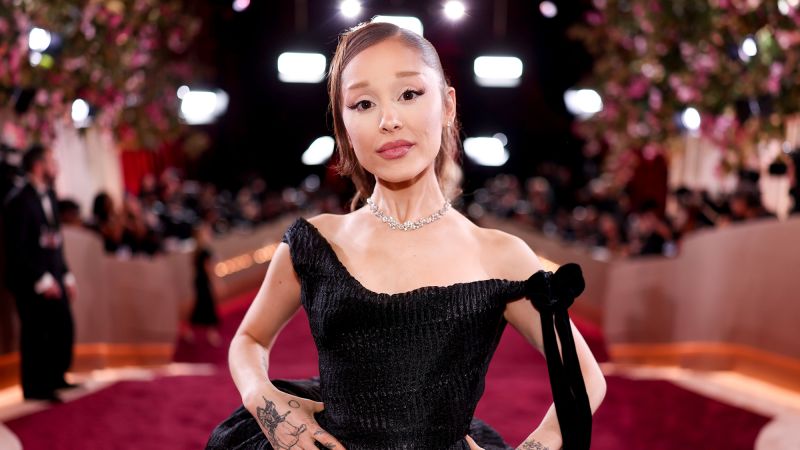
Ariana Grande Condemns White House Use of Her Song in Immigration Video
Ariana Grande tells White House to stop – Ariana Grande, the pop star known for her chart-topping hits and vibrant public persona, has publicly criticized the White House for incorporating one of her songs into a promotional video aimed at advancing the administration’s immigration policy. The 14-second clip, shared on TikTok on June 12, features federal officers—specifically, Immigration and Customs Enforcement (ICE) agents—handcuffing and detaining individuals. The video, which has since had its audio removed, originally included Grande’s 2024 single “Bye,” according to reports from the BBC. The use of the track sparked immediate backlash from the artist, who took to social media to express her disapproval.
Grande’s response came on Thursday, when she posted a message on the TikTok video captioned: “Please do not use my music in relation to this barbaric, inhumane, heinous nonsense.” The comment was swiftly hidden by the platform, suggesting a deliberate effort to suppress her critique. While the video’s audio was initially paired with her song, it has now been stripped of the music, leaving only the visual content. The White House, however, defended its decision, with spokesperson Abigail Jackson stating in an email to CNN on Friday: “We’ll say this one last time: what’s actually barbaric, inhumane, and heinous are the criminal illegal aliens who have injured and murdered innocent American citizens.”
Grande’s criticism highlights her growing involvement in political discourse. She has previously aligned herself with policies targeting immigration, including wearing an “ICE OUT” pin at the Golden Globes in January 2026. This gesture signaled her support for the agency and its role in enforcing immigration laws. Despite this, the recent use of her song in the video seems to have drawn a sharper line between her public image and her personal stance on the issue. The clip, which appears to depict the arrest of individuals at a border checkpoint, was accompanied by a caption that directly referenced President Donald Trump, who was then serving his second term as president.
The White House’s decision to use “Bye” has reignited debates about the appropriateness of music in political messaging. The song, released earlier in 2026, is a genre-blending track that combines elements of pop and R&B, with lyrics that have been interpreted as both a farewell and a critique of political figures. Grande’s choice of song, therefore, adds a layer of irony to the administration’s message, as the track’s tone contrasts with the video’s portrayal of immigration enforcement. This juxtaposition has led to discussions about the intent behind the audio selection and whether it was a strategic move to evoke emotional responses from viewers.
In response to the controversy, CNN contacted Grande’s representatives to seek further clarification. The artist’s team has yet to issue a formal statement, but the White House’s swift removal of the song’s audio indicates a desire to distance the administration from any perceived criticism. This reaction echoes past instances where the Trump administration faced backlash for using artists’ music in campaign materials. For example, ABBA, the Swedish pop group, had previously demanded the Trump campaign stop playing their hit “Dancing Queen” during rallies, arguing that it was being misused to support policies they opposed. Similarly, Adele and John Fogerty, the lead singer of Creedence Clearwater Revival, had criticized the use of their work in promotional videos, with Fogerty’s comments focusing on the Trump administration’s handling of immigration.
The current incident is not the first time a high-profile artist has challenged the White House for leveraging their music in videos that depict border enforcement. Earlier this year, a video posted to the White House and Department of Homeland Security’s Instagram accounts encouraged people to “LEAVE NOW and self-deport,” with the accompanying audio being Olivia Rodrigo’s 2025 song “All-American Bitch.” Rodrigo reportedly responded by commenting on the post: “Don’t ever use my songs to promote your racist, hateful propaganda.” Her message was later deleted, and the sound was removed from the video, much like Grande’s track was taken down in the recent case.
Grande’s critique has also sparked broader conversations about the role of celebrities in shaping public opinion on immigration. While her earlier support for ICE was seen as a clear endorsement of the agency’s mission, the use of her music in the context of the video suggests a more nuanced position. Her comment implies that the administration’s policies—particularly those related to immigration enforcement—are so harsh that they can be described as “barbaric” and “heinous.” This contrasts with the White House’s defense, which frames the individuals being detained as criminals who pose a threat to American citizens.
The White House’s choice of music may have been influenced by the popularity of Grande’s work. As one of the most prominent pop stars of her generation, her songs often resonate with wide audiences, making them effective tools for political messaging. However, the decision to pair “Bye” with the video has drawn criticism from those who argue that it reduces the song’s artistic merit to a political prop. The video’s caption, which includes a direct reference to President Trump, further reinforces the connection between the music and the administration’s rhetoric.
Grande’s response underscores the tension between artistic expression and political messaging. While the White House sees her music as a way to amplify its message, the artist views it as a tool for spreading harmful narratives. This divide is reflected in the contrasting quotes from the two parties. Grande’s statement, “Please do not use my music in relation to this barbaric, inhumane, heinous nonsense,” serves as a powerful rebuke, while the White House’s reply, “We’ll say this one last time: what’s actually barbaric, inhumane, and heinous are the criminal illegal aliens who have injured and murdered innocent American citizens,” attempts to reframe the issue.
As the debate continues, the incident raises questions about the ethical implications of using popular music in political campaigns. The White House’s actions have been criticized for exploiting artists’ work without their consent, particularly when the content of the video aligns with the administration’s agenda. Meanwhile, Grande’s statement has been praised by some as a bold move to reclaim her artistic voice from political manipulation. The removal of her song from the video, however, leaves her message in the spotlight, emphasizing the urgency of her concerns.
Other artists have faced similar challenges in the past. For instance, ABBA demanded that the Trump campaign cease playing their music at rallies, stating that it was being used to support policies they found objectionable. Adele also criticized the administration for incorporating her song “Hello” into a political ad, calling it an unfair appropriation of her work. John Fogerty, whose song “Bad Moon Rising” was used in a video about immigration, argued that the music was being misused to stoke fear and misinformation.
Grande’s case is part of a growing trend of celebrities using their platforms to voice opposition to political actions. Her response to the White House’s use of her music reflects a broader pattern of artists aligning with social justice causes and using their influence to challenge policies they believe are unjust. The video’s removal of the audio and the subsequent deletion of her comment suggest that the administration is prepared to respond to such critiques swiftly, even if it means altering the content of the message.
Despite these efforts, Grande’s words have left a lasting impression. The phrase “barbaric, inhumane, heinous nonsense” encapsulates her view of the immigration policies being promoted in the video, which many critics argue depict the enforcement of border laws as harsh and disproportionate. The White House’s defense, on the other hand, emphasizes the threat posed by undocumented immigrants, framing their actions as a necessary measure to protect national security.
As the conversation around the video continues, it remains a focal point for discussions about the intersection of music and politics. Grande’s criticism serves as a reminder that artists can use their platforms to challenge political narratives, even when their work is co-opted for a cause they may not support. The White House’s response, meanwhile, illustrates the lengths to which political entities may go to maintain their messaging, regardless of public or artistic dissent.
