
Exclusive: Iran sealed uranium cache and placed mines amid fears of US operation to seize material
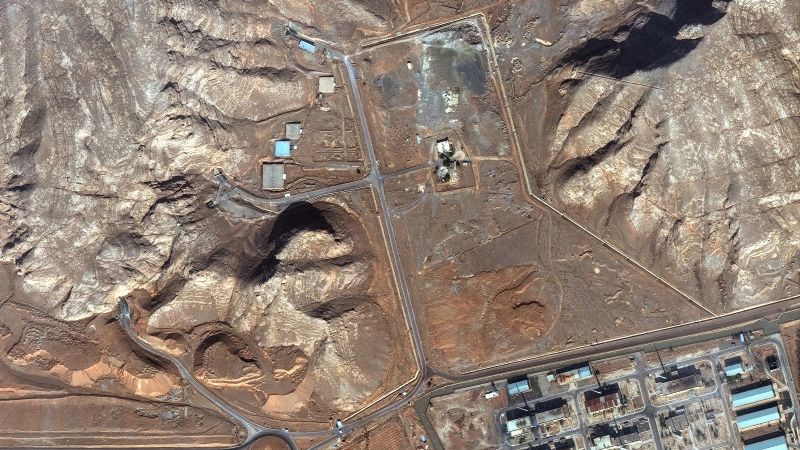
Exclusive: Iran Secures Uranium Amid US Operation Fears
Exclusive reports from CNN reveal Iran has taken drastic measures to safeguard its nearly bomb-grade uranium stockpile, including sealing tunnels and deploying mines at critical access points, according to five officials familiar with US military planning. These actions have significantly increased the challenge of retrieving the material, estimated at around half a ton, compared to just a month ago. At that time, President Donald Trump had publicly signaled a possible military operation to seize the uranium, a plan that now faces heightened obstacles due to Iran’s covert preparations.
Iran’s Fortifications Threaten US Strategy
The Iranian defensive tactics have complicated the US’s approach to securing the uranium, a key component of its strategy to pressure Tehran into a nuclear deal. Under the tentative agreement, Iran would be required to hand over its enriched uranium for destruction, a process that could involve transporting the material out of the country. However, the newly sealed tunnels and booby-trapped entrances now pose a greater challenge for US forces. Officials warn that retrieving the uranium would demand advanced equipment, prolonged de-mining operations, and a risk of detection.
“If this exclusive reporting is accurate, it would make the operation more difficult,” said Scott Roecker, former head of the National Nuclear Security Administration’s Office of Nuclear Material Removal. He noted that Iran’s actions could also be used to obscure compliance with the deal, potentially allowing the country to claim some uranium is unreachable even after the agreement is finalized.
US Military Plans, but Trump Halts Immediate Action
Exclusive intelligence indicates that US military planners were already preparing for a covert mission to capture Iran’s uranium, targeting the Isfahan nuclear complex in central Iran. The operation was temporarily put on hold due to concerns about its risks, including the possibility of Iran detecting the plan. Trump, who has consistently emphasized the urgency of securing the material, remains skeptical of Iran’s ability to conceal it. “Nobody’s even gotten close to it,” he stated in an exclusive interview with Fox News in May, underscoring his belief in US superiority in intelligence operations.
Despite the delay, the Trump administration continues to push for a resolution to the nuclear dispute, with negotiations focused on Iran’s uranium stockpile. The exclusive details of the military operation suggest that the US is prepared to act swiftly if diplomatic efforts stall. Meanwhile, Iran’s military and intelligence agencies are reportedly working to ensure the uranium remains hidden, further complicating the situation.
Stockpile Locations and Operational Challenges
Exclusive analysis of the uranium cache suggests that the majority of Iran’s enriched uranium is stored in collapsed tunnels beneath the Isfahan facility, with smaller quantities at undisclosed locations. These tunnels, now partially sealed, are designed to protect the material from both aerial and ground assaults. Experts caution that while the stockpile is likely contained within these structures, the exact distribution remains unclear, creating potential challenges for US forces attempting to locate and extract it.
“The exclusive setup could force Iran to take the lead in verifying its compliance,” said Roecker. He explained that the deal would require Iran to account for all its enriched uranium, but the current configuration may allow the country to claim some material is irretrievable. This could create a strategic advantage, enabling Tehran to retain control over parts of the stockpile even after surrendering it to US authorities.”
Conflicting Accounts and Diplomatic Tensions
Exclusive details from the Iranian delegation to the United Nations show conflicting accounts regarding the terms of the proposed deal, with some officials remaining silent on the matter. This lack of response has fueled speculation about Iran’s true intentions. The Trump administration, meanwhile, has been working to finalize the agreement, but the exclusive revelations about Iran’s defensive measures have added uncertainty to the process.
Exclusive accounts from military sources suggest that the US is considering alternative strategies to bypass Iran’s fortifications. This includes deploying specialized mobile uranium facilities, as highlighted by top negotiators like Jared Kushner and Steve Witkoff, who visited the Oak Ridge National Laboratory to study the equipment. The facility, designed for high-risk extraction missions, is seen as a critical tool in overcoming Iran’s new defenses.
