
Attorneys for Tyler Robinson urge judge to block death penalty over prosecutor’s comments to media about ballistics evidence
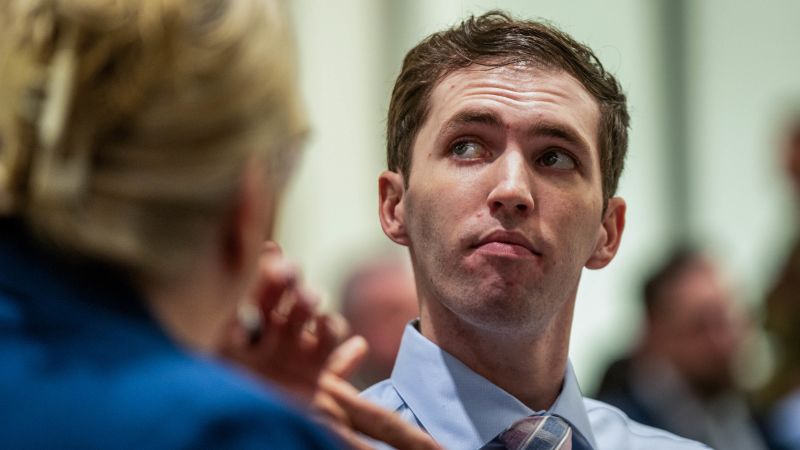
Attorneys for Tyler Robinson Urge Judge to Block Death Penalty Over Media Comments
Attorneys for Tyler Robinson urge judge – Tyler Robinson’s defense team is pressing the court to halt the death penalty process, citing a prosecutor’s recent remarks to the media that could sway public opinion. The legal challenge centers on Christopher Ballard, a spokesperson for the Utah County Attorney’s Office, who discussed ballistics evidence in late March and early April. This follows the filing of a defense motion to block the death penalty, arguing that Ballard’s comments violated a pretrial publicity directive designed to keep the jury impartial. The attorneys insist that the prosecutor’s statements risked creating an unfair advantage, undermining the fairness of the trial and potentially leading to a biased verdict.
Ballistics Evidence and Media Statements Spark Legal Controversy
The focus of Ballard’s media appearances was a ballistics report linking a bullet fragment found at the crime scene to the rifle allegedly used by Robinson. While the report stated the bullet could not be definitively excluded as originating from the weapon, Ballard framed it as conclusive evidence in his interviews. This, the defense claims, misled the public and media, creating a perception of certainty where none existed. Attorneys for Tyler Robinson argue that such statements breached the directive, which was meant to restrict public statements until the trial’s conclusion, and could prejudice the jury against the defendant.
“Mr. Ballard’s comments to the media appeared to present the ballistics evidence as irrefutable, even though the report contained uncertainties,” said Richard Novak, one of Robinson’s lawyers. “This level of public emphasis risks overshadowing the facts and could justify a death penalty reversal.”
The defense team has emphasized that the prosecutor’s statements, despite being made before the trial, were not limited to technical details. Instead, they painted a clear narrative of guilt, which the attorneys argue could sway jurors’ opinions. The legal argument hinges on whether Ballard’s actions constitute contempt of court, as the directive explicitly barred such public commentary to ensure fair proceedings.
Prosecutor’s Defense and the Pretrial Publicity Rule
Ballard and his colleagues defend their media statements by citing a legal provision allowing attorneys to address public concerns if they fear prejudicial publicity. They assert that the bullet fragment’s origin was a critical point of contention, and explaining it to the media was necessary to counteract misinformation. “We aimed to clarify the evidence for the public and prevent confusion about the case’s key elements,” Ballard stated during his testimony. However, the defense counters that the rule was used to justify a more aggressive campaign, with Ballard’s remarks coming across as definitive rather than neutral.
The county attorney’s office has also highlighted the importance of transparency in high-profile cases like Robinson’s. They argue that the media’s scrutiny of the ballistics report was unavoidable, given the defense’s initial filing. Yet, the attorneys for Tyler Robinson stress that the prosecutor’s role in shaping public perception went beyond what was necessary, potentially infringing on the defendant’s right to a fair trial. The court is now tasked with weighing the balance between publicity and impartiality in its ruling.
Legal Proceedings and the Road Ahead
The ongoing legal battle has already impacted the trial’s timeline, with the judge considering motions to delay proceedings. Attorneys for Tyler Robinson are pushing for a resolution that prioritizes the defendant’s right to an unbiased jury, emphasizing that Ballard’s statements could have permanently altered the trial’s course. They also stress that the prosecutor’s actions may set a precedent for future cases, where media comments could influence outcomes even before the trial begins.
Meanwhile, the trial continues to face other procedural hurdles. On Friday, Judge Tony Graf addressed arguments about the admissibility of hearsay evidence, a critical point for the defense. Michael Burt, another attorney in the case, argued that a video deposition of a key witness should not be allowed during the preliminary hearing. The court’s decisions on these issues will further shape the trajectory of the case, with the death penalty hanging in the balance as the attorneys for Tyler Robinson press their final arguments.
