The last time the Knicks were this close to an NBA championship, New York was a different world

The Knicks’ Historic Run Stirs Nostalgia and Excitement in a Transformed New York
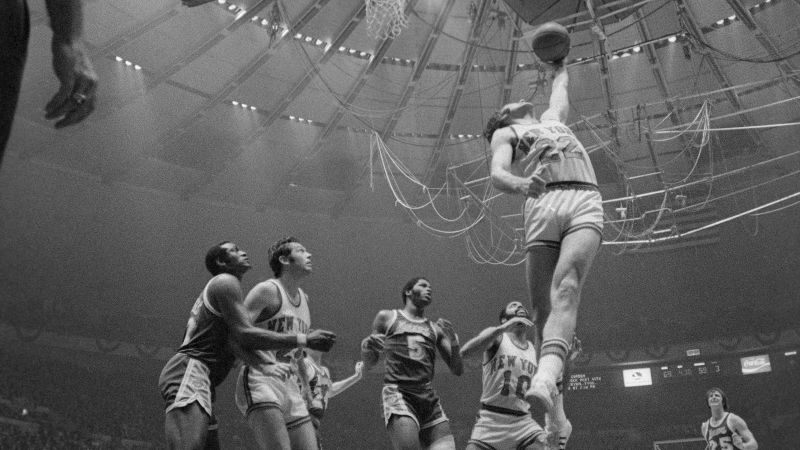
The last time the Knicks were – In the spring of 1973, 17-year-old Greg Hourdajian, a first-generation Armenian-American, stood in front of his television in a Queens neighborhood, cheering until his voice gave out. The New York Knicks had just clinched their most recent NBA title, defeating the Los Angeles Lakers 102-93 in Game 5 of the Finals. For Hourdajian, a diehard fan whose childhood was steeped in basketball, the victory was a moment of pure elation. Decades later, the scene is familiar yet altered: the same living room now holds his daughter Jenna, who captures his unbridled joy on video as the Knicks close a 29-point deficit with mere seconds left in the game. The city, once a mosaic of grit and resilience, has evolved, but the raw emotion of the moment remains unchanged.
The Knicks’ latest playoff run has reignited a shared dream that once defined New York’s identity. A generation of fans who grew up in the shadow of the 1973 championship now watch with bated breath, their hopes intertwined with the city’s own metamorphosis. From the bustling avenues of the 1970s to the modern metropolis of today, the feeling of anticipation is as potent as ever. “It’s a similar feeling, but this time it’s like it’s on steroids,” said Quron Booker, a lifelong New Yorker and Knicks supporter, as he watched the playoffs with his 9-year-old son. The unity of fans, even those with no prior connection to the team, has created a sense of collective purpose that echoes the city’s own history of reinvention.
Back in 1973, New York was a city of contrasts. The skyline was still developing, with skyscrapers rising like hopeful aspirations against the backdrop of a city in flux. Times Square buzzed with a different kind of energy—graffiti-covered subways, adult theaters, and the lingering influence of organized crime. The streets were a mix of swagger and unease, reflecting the city’s turbulent identity. Martin Scorsese’s Taxi Driver captured that essence, with its rain-soaked streets and lonely figures navigating a world on the edge of chaos. Yet, amid the chaos, the Knicks’ victory brought a rare sense of unity, uniting residents across boroughs in a celebration of athletic triumph.
Today, the city is unrecognizable. The corporate hub that now defines New York for tourists was still in its infancy then. Neon lights and towering buildings have replaced the dimly lit corners of the 1970s, but the spirit of the original fans endures. Hourdajian, now 70, recalls the days when a Knicks game ticket cost less than $15. “When I went to NYU, it was tough,” he said, reflecting on the divide between neighborhoods. “The Village was a prime area, but if you went east of it, it was really a rough spot. Those areas have changed completely.” The transformation of the city’s landscape mirrors the Knicks’ own evolution, from the hardworking players of the 1970s to the stars of today, who command attention far beyond the court.
The Knicks’ journey to the Finals this year has become a symbol of hope for a city that has weathered countless challenges. From fiscal crises to blackouts, crime waves to terrorist attacks, and the pandemic’s grip, New York has always found a way to rebuild. The team, too, has undergone its share of reinvention, swapping coaches, owners, and arenas, yet the pursuit of a third championship remains a constant. The 1999 Finals were a high point, but the 1973 victory still stands as the last true moment of triumph. For Hourdajian, the magic lies not in the celebrities seated courtside but in the players who have become household names, their stories weaving into the city’s tapestry.
As the Knicks push toward their first title since 1999, the stakes have never been higher. Fans now pay thousands for a seat in Madison Square Garden, a stark contrast to the $7 tickets sold during the 1973 championship run. The cost of fandom has skyrocketed, yet the passion remains undiminished. New faces, like Hollywood actor Timothée Chalamet, whose presence at games has drawn media attention, share the same enthusiasm as familiar ones, such as filmmaker Spike Lee, who once sat courtside with Prince during the 1999 Finals. Their collective cheer underscores a city that, despite its changes, still recognizes the significance of the moment.
The 29-point comeback in Wednesday’s game was more than just a sports moment—it was a metaphor for New York’s resilience. For Hourdajian, the scene in his living room mirrors the city’s own comeback, from the era of Mafia influence to the present day. “This is the greatest win ever,” he exclaimed, his voice trembling with emotion as his daughter filmed the rollercoaster of emotions. The Knicks’ journey has become a mirror for the city’s history, reflecting its struggles, triumphs, and the unyielding hope that defines its spirit.
Even as the skyline has transformed and the streets have become quieter, the Knicks’ story has remained a thread in the city’s narrative. The 1973 championship was a golden era for the team, marked by a blend of grit and glory. Fast-forwarding to 2026, the Knicks are once again in the Finals, a testament to the team’s enduring legacy. The journey has been long, but the city’s heartbeat is still synchronized with the Knicks’ fate. For fans like Hourdajian, the game is more than just basketball—it’s a connection to a time when the city and its team shared the same determination to rise above.
As the Knicks edge closer to a title, the city’s collective memory is stirred. The streets of 1973, once fraught with danger, now pulse with the energy of a renewed hope. The iconic landmarks of the past—like the old theaters and subway cars—have given way to modern marvels, yet the essence of the city remains. The same spirit that once brought New Yorkers together in 1973 is now alive again, a reminder that no matter how much the world changes, the dream of a championship still holds a special place in the hearts of the people who live in it.
“It’s like the city is remembering who it was,” Booker said, his voice filled with awe. “Even though everything’s changed, the excitement feels like it’s coming back to life.”
The Knicks’ path to the Finals is not just a story of athletic prowess but also of cultural evolution. From the early days of the 1970s, when the team was a beacon of pride in a city that needed it, to the present, where the team’s legacy is celebrated in new ways, the journey is a reflection of New York’s own path. The 1973 championship was a rare victory, but the 2026 run has brought with it a fresh sense of urgency and possibility. For a city that has spent decades waiting, the game is no longer just about winning—it’s about rediscovering itself through the lens of basketball.