Swiss voters poised to reject 10 million population cap in referendum, projection shows

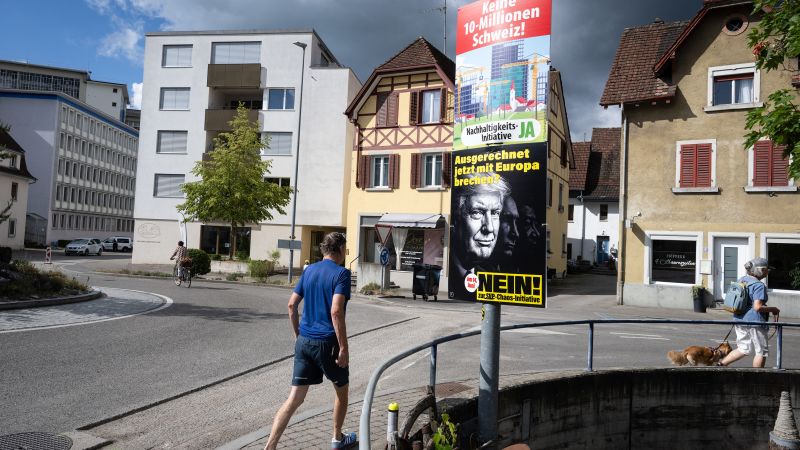
Swiss Voters Likely to Reject 10 Million Population Cap in Referendum
Swiss voters poised to reject 10 million – Early projections suggest that the majority of Swiss voters will oppose the proposed population cap of 10 million in the upcoming referendum. The measure, which aimed to limit the country’s total residents to that threshold, appears to be losing momentum as public sentiment shifts toward economic stability and continued EU integration. With nearly 55% of the electorate expected to vote against the cap, the initiative faces significant challenges in securing the required support. This outcome reflects a growing consensus that the benefits of open borders and immigration-driven growth outweigh concerns about resource strain and demographic pressures.
Referendum Context and Voter Concerns
The referendum, set for Sunday, has drawn comparisons to the Brexit vote in 2016 due to its divisive nature. Businesses and residents alike expressed worries about potential disruptions, particularly the risk of ending Switzerland’s free movement agreement with the EU. The proposed cap, backed by the Swiss People’s Party, would require the population not to exceed 10 million by 2050, with automatic termination of the labor mobility pact if the threshold was breached for two consecutive years. Despite these fears, voter preferences seem to favor maintaining the current demographic trajectory over imposing restrictive policies.
Expert Analysis of the Vote’s Outcome
According to Urs Bieri, a pollster at GFS Bern, the initiative’s defeat is largely due to its perceived risks and limited appeal. “The proposal was framed as a drastic solution to an uncertain problem,” he said. “Voters questioned whether it would truly address challenges like housing shortages or public service strain, or if it would instead create new ones.” Bieri emphasized that while population growth is a valid concern, the cap’s rigidity and potential for economic fallout made it less attractive. “Swiss voters poised to reject 10 million population cap are prioritizing long-term stability over short-term measures,” he added.
“The fear of unintended consequences—like labor shortages in healthcare and education—drove people to reject the cap,” said Patrick Leisibach, a migration expert at Avenir Suisse. “Swiss voters poised to reject 10 million population cap are not just concerned about numbers; they’re worried about how these numbers impact their daily lives.”
Leisibach noted that the economic arguments for the cap, such as controlling costs and improving services, were compelling but not enough to sway the public. Campaigners highlighted that only 10% of newcomers were skilled, as shown on posters, yet this statistic failed to resonate with broader concerns. Instead, voters focused on the immediate effects of the cap, such as reduced workforce availability and potential strain on EU cooperation. This shift in emphasis underscores the importance of framing immigration policies in terms of tangible, everyday impacts.
Population Trends and Regional Disparities
Switzerland’s population growth has accelerated in recent years, with nearly 28% of residents being foreign-born. The country is projected to surpass 10 million residents by the early 2040s, driven by a combination of immigration and natural increase. While the cap would have slowed this trend, the referendum outcome suggests public support for continued growth. Regional differences also played a role, with urban centers like Zurich and Geneva showing stronger opposition to the cap compared to rural areas, where concerns about aging populations and labor shortages were more pronounced.
EU Integration and Economic Stability
The referendum’s result highlights the Swiss electorate’s strong attachment to EU membership and its economic benefits. Proponents of the cap argued that maintaining free movement could jeopardize long-term stability, especially with rising tariffs and economic pressures from the EU. However, the rejection of the 10 million population cap signals a preference for flexibility in labor mobility. “Swiss voters poised to reject 10 million population cap are balancing national identity with economic pragmatism,” said a political analyst. “They recognize the need for immigration but want to ensure it aligns with their country’s future goals.”
With the cap now on hold, the debate over population growth and immigration policies will continue. The Swiss People’s Party faces a challenge in rebranding its stance, while the opposition highlights the importance of maintaining open borders for economic vitality. As the country moves forward, the focus will remain on how to manage growth without compromising social cohesion or economic opportunities. The outcome of this referendum may also influence similar discussions in neighboring European nations, where population control remains a contentious issue.