UK intercepts Russian ‘shadow fleet’ tanker for first time

UK Intercepts Russian ‘Shadow Fleet’ Tanker for the First Time
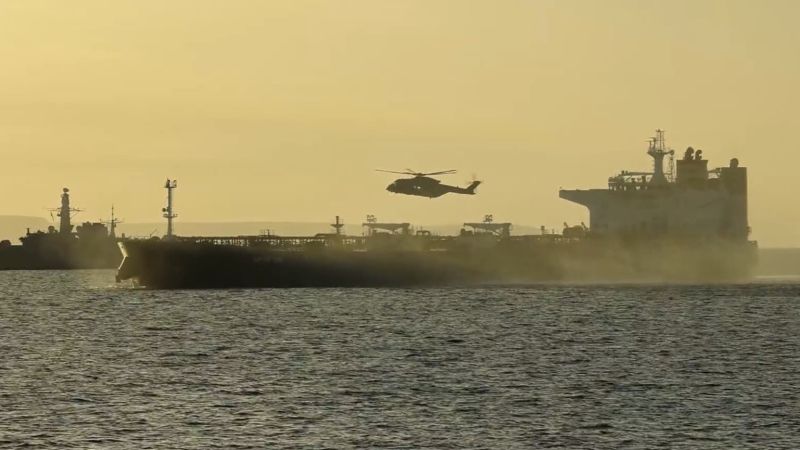
UK intercepts Russian shadow fleet tanker – British forces have conducted their inaugural operation against a Russian shadow fleet oil tanker within the English Channel, as confirmed by Prime Minister Keir Starmer. The incident, which took place during the early hours of June 14, marks a significant development in the UK’s efforts to disrupt Russia’s supply lines. “I directed our Armed Forces to intercept a shadow fleet oil tanker attempting to pass through the English Channel,” Starmer stated in a post on X. “This successful operation delivers yet another blow to Russia and reminds those fueling Putin’s war in Ukraine that we will not let them hide,” he added, highlighting the strategic importance of the move.
The tanker in question, the Cameroon-flagged Smyrtos, was seized by UK commandos and the National Crime Agency. This vessel, which had been sanctioned by the UK last year for its role in transporting Russian oil, is now at the center of international attention. Ship tracking data reveals that the Smyrtos departed from the Russian port of Luga Bay on June 5 and entered the Baltic Sea six days later. Its intended destination was listed as Port Said, Egypt, raising questions about its role in the broader energy trade.
Russian Shadow Fleet Strategy
Russia’s shadow fleet has long been a critical component of its strategy to circumvent international sanctions. By using vessels registered under neutral or friendly flags, Moscow aims to obscure the origins of its oil shipments, making it harder for countries like the UK to trace and block the flow of resources. France has previously intercepted several such vessels, but this latest action by the UK represents a new level of coordination and enforcement. “This successful operation is a major step in targeting Russia’s ability to sustain its conflict in Ukraine,” a UK official noted, underscoring the broader implications of the interception.
The Smyrtos is not the first ship linked to Russia’s shadow fleet to face scrutiny. Earlier this year, France detained multiple tankers, each carrying Russian oil under the guise of legitimate trade. The UK’s involvement in the operation signals a growing commitment to disrupting these routes, despite the challenges posed by the complex network of flags and routes. The interception of the Smyrtos is particularly notable because it was sanctioned by the UK for its participation in shipping Russian oil, making it a high-priority target.
International Response and Reactions
Ukrainian President Volodymyr Zelensky welcomed the UK’s action, calling it a vital contribution to the fight against Russia’s aggression. “Europe urgently needs to take legislative steps to enable not only the detention of tankers and restrictions on oil shipments, but also the confiscation of the oil they carry,” Zelensky stated in a public address. His comments reflect the growing pressure on European nations to strengthen their sanctions frameworks and ensure the oil is not used to fund the war in Ukraine.
Meanwhile, a Kremlin envoy, Kirill Dmitriev, has criticized the operation, suggesting it is more about diverting attention from domestic issues. “Starmer is using the detention of a tanker as a distraction from the UK’s migrant crisis,” Dmitriev remarked in a statement. This response highlights the ongoing political tensions surrounding Russia’s actions and the UK’s attempts to present the interception as a direct countermeasure.
The capture of the Smyrtos occurred just days after Starmer appointed Dan Jarvis as his new Defense Secretary, following the resignation of John Healey. Jarvis, who now holds the position, emphasized the importance of the operation, stating, “Russia relies on its shadow fleet to fund their conflict in Ukraine, and our interdiction delivers a blow to Putin’s illegal war.” His remarks align with the UK’s broader strategy to target Russia’s economic leverage, even as the country navigates internal challenges.
Operational Details and Strategic Implications
The operation involved a coordinated effort between the UK’s military and law enforcement agencies, showcasing the integration of different branches in countering Russia’s supply chain. Commandos were deployed to board the tanker, while the National Crime Agency provided logistical support. The precise location of the interception, in the English Channel, underscores the strategic importance of the region as a key transit route for European trade.
Analysts suggest that the Smyrtos’ route from Luga Bay to Port Said highlights the global reach of Russia’s shadow fleet. The Baltic Sea serves as a starting point for many of these vessels, which then navigate through the North Sea and English Channel before reaching Mediterranean ports. This path allows Russia to bypass traditional sanctions and deliver oil to markets that may be less vigilant in enforcing restrictions.
The interception of the Smyrtos is part of a larger effort to disrupt the flow of Russian oil. The UK has been actively working to identify and intercept vessels suspected of carrying sanctioned goods, and this operation marks a key milestone. By seizing the tanker, the UK not only halts the immediate shipment but also sends a message to other nations about the consequences of supporting Russia’s energy exports.
While the UK’s action is praised by some, it also raises questions about the effectiveness of sanctions and the need for more stringent measures. The Smyrtos’ capture demonstrates that the UK is willing to take decisive steps, but the success of such efforts will depend on sustained international cooperation. As the conflict in Ukraine continues, the UK’s ability to intercept and neutralize Russian supply routes will play a crucial role in shaping the war’s economic dynamics.
The event has also sparked discussions about the legal and operational frameworks required to target shadow fleets. Experts argue that the UK’s action sets a precedent for future operations, potentially encouraging other European countries to follow suit. With the recent appointment of Jarvis as Defense Secretary, the UK is likely to strengthen its maritime enforcement capabilities, further complicating Russia’s efforts to maintain its energy supply chain.