‘A bird that flies never leaves a trace’: Why is Japan always so tidy at the World Cup?

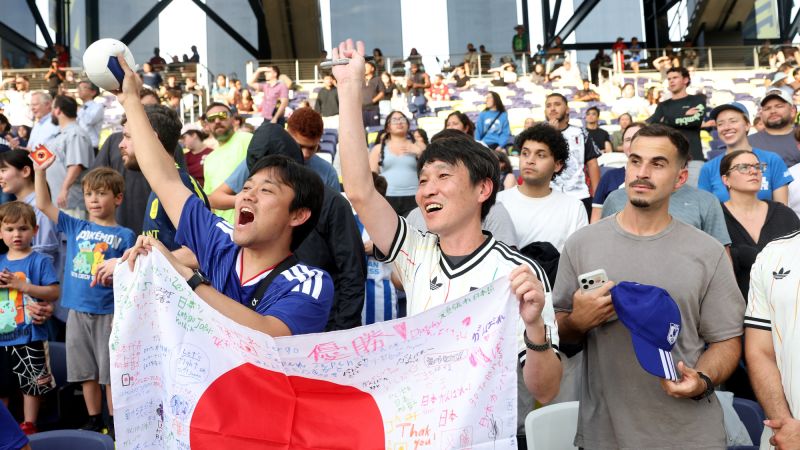
Why Japanese Fans Outshine Others at the World Cup?
A bird that flies never leaves – As the FIFA World Cup approaches, teams from around the globe prepare to showcase their skills on the pitch. Yet, one group stands out for a reason that goes beyond performance: the Japanese fans. Their reputation for leaving stadiums immaculate has sparked curiosity among observers. This habit isn’t accidental; it stems from a cultural philosophy that values order and cleanliness. But how did it become a hallmark of Japanese football supporters? The answer lies in a blend of tradition, social expectations, and personal experiences that shape their behavior.
The Cultural Roots of Cleanliness
For many Japanese people, cleanliness is more than a practice—it’s a way of life. This mindset is instilled from a young age, as illustrated by Nozomi Morgan, an intercultural leadership expert and founder of Michiki Morgan Worldwide. Morgan recalls her childhood in Tokyo, where the school routine was a microcosm of this philosophy. “One of the first things I noticed was the ritual of taking off your ‘outside shoes’ and switching to ‘inside shoes,’” she explained to CNN Sports. “It wasn’t just about hygiene; it was a symbolic act of respect for the space you enter.”
At the heart of this tradition is the Zokin, a small cloth duster used by Japanese students to wipe down floors after sweeping. Morgan described how her parents equipped her with one, emphasizing its importance in maintaining cleanliness. “Each child had their own rag, stitched together from recycled fabric, and they carried it daily,” she said. This practice, she noted, was part of a larger ethos: “Cleaning the classroom wasn’t a chore—it was a game we all played together, a shared responsibility.”
The lessons of childhood linger into adulthood. Hirokazu Tsunoda, a lifelong Japanese fan, initially resisted the idea of cleaning up after matches. “I hated every minute of it,” he admitted. “I used to think, why bother? Japanese classrooms aren’t that messy, and people already use bins.” But his perspective shifted after watching the impact of litter on stadiums during international events. Since 2008, Tsunoda has been a regular at the Olympics and World Cups, ensuring that no trace of trash remains behind. “It’s not just about the stadium,” he said. “It’s about preserving the sanctity of the space. If you love something, you want to protect it.”
A Sacred Duty
Tsunoda’s dedication reflects a broader cultural expectation. In Japan, cleanliness is often tied to respect and communal harmony. This principle extends beyond the home or school to public spaces, including sports venues. “There’s a saying that captures this perfectly: ‘A bird that flies never leaves a trace,’” Morgan shared. “It’s not just about tidiness—it’s about creating a lasting impression.”
Even the Japan national team embodies this philosophy. During the 2018 and 2022 tournaments, their locker rooms were always spotless, with only a thank-you note and origami cranes left behind. Makoto Hasebe, Japan’s captain in the 2022 World Cup, highlighted this as a point of pride. “I’m proud of our team’s dedication to keeping everything clean, even when we’re winning or losing,” he told the media. “It’s a reflection of our culture’s attention to detail and respect for others.”
But the tradition isn’t limited to the team. Supporters from other nations have also embraced the practice, often joining in to help maintain the cleanliness of stadiums. Tsunoda noted that this collaboration is more common than people realize. “More non-Japanese fans pitch in than I’d expect,” he said. “When they see the effort, they’re inspired to contribute too.”
This cultural norm has even been recognized by global organizations. During a thrilling comeback win against Germany in Qatar four years ago, Japanese fans ensured the stadium was left pristine. A video of the cleanup effort went viral, and FIFA praised the act on social media. “Around 500 volunteers from the venue joined in to thank us,” Tsunoda recalled. “That moment made me realize how powerful this tradition can be.”
Yet, the practice isn’t without its challenges. Early on, Morgan faced criticism for her obsession with cleanliness. “There were times I felt like I was overdoing it,” she said. “But I learned that this isn’t just about being tidy—it’s about cultivating a mindset of care.” Similarly, Tsunoda encountered skeptics who questioned whether Japanese fans were merely seeking attention. “Some people say it’s only for show,” he said. “But once you’ve actually picked up someone else’s trash, you’ll understand why it matters.”
The influence of this habit extends beyond the World Cup. Tsunoda’s own experience with his daughter’s school demonstrated how deeply ingrained the practice is. “I didn’t fully appreciate it until I was helping clean up at her school,” he said. “It’s not just about the act of cleaning—it’s about creating a culture where no one takes the space for granted.”
This shared commitment to cleanliness has become a symbol of Japanese identity. For Morgan, it represents the transition from an outsider to someone who embraces the culture. “When I moved to Tokyo as a child, I didn’t understand why people went out of their way to keep things clean,” she reflected. “Now, I see it as a reflection of the values that define Japanese society.”
For Tsunoda, it’s a personal journey from resistance to admiration. “I used to think cleaning was unnecessary,” he admitted. “But over time, I realized it’s a way to show respect for the community and the environment.” This attitude has led to a unique camaraderie among fans. “When I see non-Japanese supporters helping out, I make sure to thank them loudly,” Tsunoda said. “It feels good to acknowledge their effort, and I think it encourages others to join in.”
As the 2026 World Cup nears, the question remains: why does this tradition persist? The answer lies in a combination of societal values and individual actions. Japanese fans aren’t just cleaning up—they’re participating in a cultural ritual that reinforces their connection to the sport and to each other. “It’s about creating a sense of shared ownership,” Morgan explained. “When you clean, you’re not just taking care of the space; you’re taking care of the people who use it.”
Tsunoda’s story is a testament to how this habit can evolve. “I used to resent it, but now I take pride in it,” he said. “It’s not just about the stadiums—it’s about the mindset we carry into everything we do.” This philosophy, rooted in respect and responsibility, ensures that Japan’s presence at the World Cup is felt not just in the way they play football, but in the way they care for the spaces they occupy. As the tournament begins, the world will have another chance to witness this unique blend of tradition and dedication.