Can the World Cup transform this midwestern city into a global tourist hub?

Can the World Cup Transform This Midwestern City into a Global Tourist Hub?
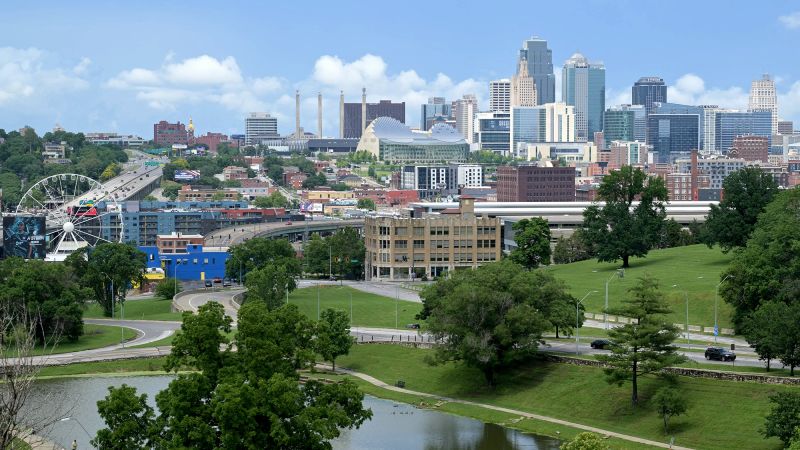
Can the World Cup transform this – Kansas City is placing a significant wager on its ability to reshape its economic landscape through the World Cup. With an investment of nearly $200 million, the city aims to elevate its status from a regional center to a globally recognized destination. The proposition is ambitious: leveraging the tournament to draw international attention and create a lasting impact on tourism and commerce. Yet, skeptics question whether this gamble will pay off, given the challenges the event has already faced.
The ‘World Cup of Chaos’ Challenge
Before the matches even begin, the tournament has been labeled the “World Cup of Chaos” due to contentious debates over immigration policies and steep ticket prices. Critics argue that these factors could deter foreign visitors, a crucial demographic for boosting the city’s global appeal. Despite this, organizers remain optimistic, believing that the World Cup can serve as a catalyst for long-term transformation. “You’re putting yourself on the international stage,” said Victor Matheson, a professor at The College of the Holy Cross and sports economics expert. “But do we really think people from Japan, Uzbekistan, and Cape Verde are saying, ‘Hey, I’m going on my once-in-a-lifetime trip to the United States, and I’m going to take it to Kansas City’?”
“People might not have their hearts set on Kansas City, but the opportunity to experience the tournament could shift their priorities.”
Kansas City’s bid is seen as a bold move, especially when compared to other North American hosts. While cities like Mexico City, Los Angeles, and Miami have established infrastructures to support year-round events, Kansas City is relying on a concentrated effort to make its six matches a memorable experience. Local officials emphasize that this is a once-in-a-lifetime chance to create a lasting legacy, despite the logistical hurdles. “When should a city invest in these sorts of things?” asked Mayor Quinton Lucas. “Hopefully this World Cup gives us the chance to test some of these.”
Economic Projections and Infrastructure Investments
The organizers project that the World Cup could generate over $653 million in direct economic activity, spanning retail, food and beverage, hospitality, and more. This estimate includes the influx of over 650,000 visitors, a number that would surpass the city’s population of approximately 520,000. To accommodate the demand, the city has expanded its transportation network, adding routes to the airport, stadium, and downtown fan festival. Homeowners are also renting out their properties, with ride-sharing services like Uber preparing for increased traffic.
One of Kansas City’s strategic advantages is that it did not have to build new stadiums. This saved a major cost, allowing funds to be redirected toward other initiatives. However, the tournament’s spread across multiple venues—some hundreds of miles apart—has raised concerns about accessibility. The American Hotel and Lodging Association reported in May that nationwide hotel bookings were softer than expected, partly due to FIFA canceling large room blocks. This has forced Kansas City to pivot, focusing on domestic travelers and short-term rentals to meet the needs of its visitors.
Adapting to Uncertainty
The city’s approach has required constant adjustments. Initially, planners worried about a shortage of hotel rooms, prompting efforts to make home rentals more appealing. By the end of May, Kansas City had seen a 56% surge in short-term rental listings, the most dramatic increase among all host cities. Jamie Lane, chief economist at AirDNA, noted that this shift highlights the city’s flexibility in addressing unforeseen challenges. Yet, the reality remains that many visitors may only stay for a short duration, as exemplified by Matheson’s 36-hour visit from Boston.
“Kansas City is a city that doesn’t have to build new stadiums, but it still has to figure out how to connect the games in a way that feels seamless.”
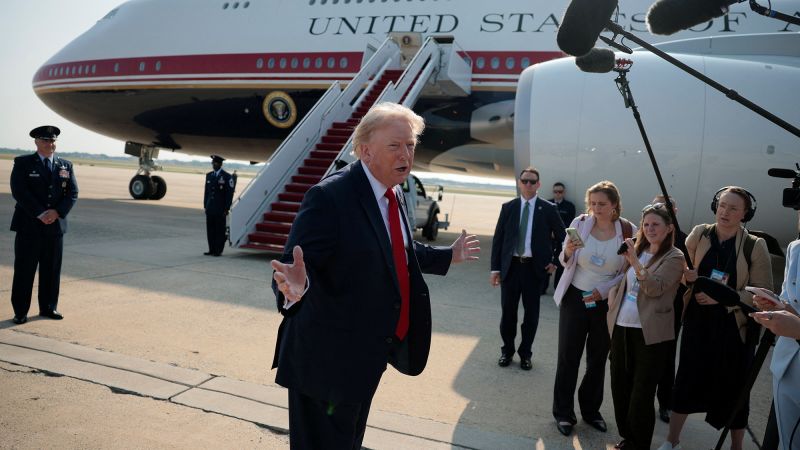
Visa restrictions and policies from the Trump administration have further complicated the situation, limiting the flow of international tourists. FIFA’s ticket pricing has also sparked controversy, leading to an investigation by the attorneys general of New York and New Jersey. These issues underscore the delicate balance between hosting a high-profile event and managing the associated costs and risks.
A Test of Resilience and Vision
Despite the obstacles, Kansas City remains determined. The city’s tourism board, Visit KC, has positioned the event as a chance to revitalize its economy and global reputation. The World Cup is not just about soccer; it’s about creating opportunities for agricultural events, trade meetings, and cultural exchanges that could attract professionals and leisure travelers alike. “This is more than a sporting event—it’s about showcasing the city’s potential to a worldwide audience,” said Jenny Wilson, vice president of tourism development at Visit KC.
But the road to success is fraught with uncertainty. The tournament’s reliance on infrastructure investments has placed a heavy burden on local, state, and federal funds. Meanwhile, FIFA continues to profit immensely from ticket sales, television rights, and sponsorships, while cities like Atlanta benefited from the 1996 Olympics. Kansas City’s hope is that it can replicate that success, even with its unique challenges.
Realities of the Midwestern Host
The city’s midwestern identity is both an asset and a limitation. While it offers a lower cost of living compared to coastal cities, it also lacks the natural appeal of destinations like Miami or Los Angeles. The absence of direct international flights further complicates matters, as visitors must navigate multiple connections to reach Kansas City. This has led to a reliance on domestic travel, with organizers now focusing on attracting local tourists who may book stays for a couple of days rather than extended vacations.
For homeowners like Katherine Riedel, the World Cup has created new opportunities. Riedel, who listed her three-bedroom house on Airbnb for the first time this spring, found that demand was initially limited to single-room bookings. However, after lowering her price to $500 per night, she quickly filled a monthlong work trip and a July quarterfinal stay. Her experience reflects the broader trend of adapting to the tournament’s unpredictable nature, where supply and demand often shift rapidly.
The World Cup’s success will ultimately depend on how well Kansas City navigates these challenges. While the city has made strategic investments in transportation and housing, it still faces the question of whether the international community will embrace its efforts. As the matches approach, the focus remains on proving that Kansas City can become more than just a temporary stop for soccer fans—it can be a destination that lingers in the memories of those who visit.
For now, the city’s optimism persists. “This is our shot,” said Lucas. “If we can pull it off, it could set a new standard for mid-sized cities hosting major global events.” Whether Kansas City emerges as a success or a cautionary tale remains to be seen, but the economic and cultural stakes are high. The World Cup has the potential to redefine the city’s identity, but it also demands a level of coordination and foresight that will determine its long-term impact.