8 crew members dead after B-52 bomber crashes at California’s Edwards Air Force Base

Tragedy at Edwards Air Force Base: B-52 Crash Claims Eight Lives
8 crew members dead after B 52 – On Monday morning, a B-52 bomber crashed shortly after takeoff from Edwards Air Force Base, located northeast of Los Angeles, killing all eight crew members on board, according to base officials. This incident marks the deadliest crash involving the iconic aircraft since 1982, when a similar accident at Mather Air Force Base near Sacramento claimed nine lives. The current crash, described as a recovery operation, has left the remote base grappling with the loss of personnel and the aftermath of the collision.
A Routine Mission Turns Tragic
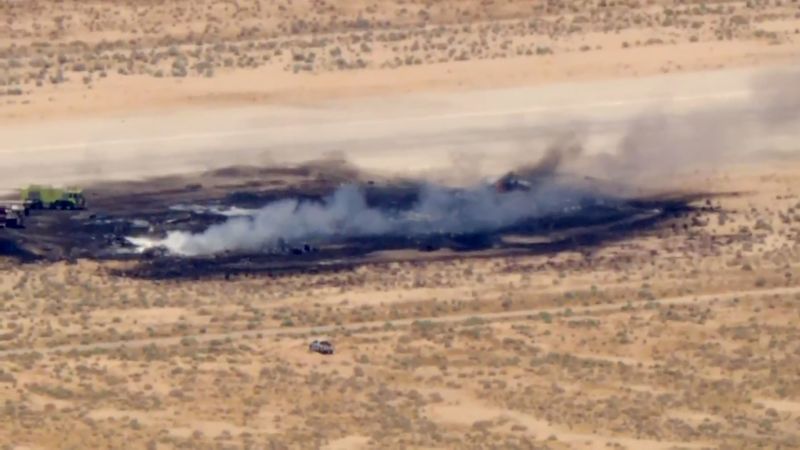
The B-52 Stratofortress involved in the crash was en route on a standard test mission, departing at 11:20 a.m. local time. The plane, part of the Air Force’s operational fleet, had been scheduled for routine evaluations, which are critical for maintaining the aircraft’s performance. Emergency crews arrived swiftly at the scene, where a towering black plume of smoke was visible, as reported by the base. The crash site now serves as a focal point for recovery efforts, with teams working to inform the families of the deceased over the coming hours.
“It was tragic and unsurvivable,” said Colonel James Hayes, who addressed the news conference regarding the incident. The statement underscores the severity of the crash, which left no survivors among the crew. The base has since been reopened, though all operations are temporarily suspended until Tuesday as officials conduct a thorough assessment.
Composition of the Crew and Boeing’s Role
The eight individuals who perished included a mix of military personnel, government civilians, and contractors, according to Chief Master Sgt. Joshua T. Skarloken. Boeing, the manufacturer of the B-52, confirmed that two of its employees were on the flight. “We are in contact with their families and are offering support,” Boeing stated in a release, highlighting the company’s commitment to assisting in the aftermath. The crash has sparked condolences from high-ranking officials, including Secretary of the Air Force Troy E. Meink and House Speaker Mike Johnson, who expressed their grief on social media. California Governor Gavin Newsom extended his sympathy to the Edwards Air Force Base community, praising the quick response of first responders.
Testing at Edwards: A Legacy of Innovation
Edwards Air Force Base has long been a cornerstone of aviation innovation, serving as a test site for a wide range of aircraft, from military jets to space shuttles. This tradition of rigorous testing continues to this day, as the base is frequently used for evaluating new technologies and systems. The B-52’s crash on Monday was part of a mission supporting the radar modernization program, a key initiative aimed at enhancing the Air Force’s surveillance capabilities. Despite its long history, the B-52 remains a vital asset, with its current version, the B-52H, still in active use across global operations.
“If it flies, it’s tested at Edwards Air Force Base,” noted Richard Kolko, a retired US Navy commander and P-3 pilot. He emphasized the base’s reputation for housing some of the nation’s most skilled test pilots and engineers. Kolko explained that test flights often involve seasoned crews and civilian experts, ensuring the aircraft’s readiness for complex missions.
Edwards’ emergency response team, known for its efficiency and training, was deployed immediately following the crash. The team’s efforts include securing the site, recovering evidence, and gathering maintenance records to aid the investigation. Military officials will lead the inquiry, with details expected to be released after approximately six months of analysis. The incident has raised questions about the safety of aging aircraft, even as modernization programs continue to extend their service life.
Decades of Service and Recent Upgrades
The B-52 Stratofortress, first introduced into service in 1955, has spent over six decades in military operations. Its versatility allows it to carry up to 70,000 pounds of bombs and munitions, making it a staple in both conventional and nuclear warfare. The B-52H variant, currently in service, remains a key component of the Air Force’s strategic bombing capabilities, with 76 aircraft active before the recent crash. These bombers have been deployed in recent conflicts, including the ongoing tensions between the US and Iran, where they play a critical role.
Despite being retired from production since 1962, the B-52 has undergone multiple life-extension programs to modernize its systems and ensure continued operation. The latest upgrade initiative, reported by Defense News, involves redesigning the aircraft’s engines and is projected to cost $48.6 billion. This effort reflects the plane’s enduring importance in the US military’s strategic arsenal. When accidents occur, replacements are sourced from the “Boneyard” at Davis-Monthan Air Force Base in Arizona, where dismantled airframes are stored. This was the same process used after a non-fatal 2016 crash in Guam.
A Look Back: The 2008 Incident
The crash at Edwards Air Force Base is the deadliest since a similar incident in 2008, when a B-52H crashed into the Pacific Ocean off Guam during preparations for a parade flyover. That accident resulted in the deaths of six Air Force personnel, underscoring the risks associated with the aircraft’s long service history. While the 2008 crash was not fatal, the recent incident highlights the ongoing challenges of maintaining the B-52’s reliability.
The B-52’s age has not diminished its strategic value, but it has prompted discussions about the balance between cost-effectiveness and safety. With its engines and systems upgraded over the years, the plane continues to operate, though the incident serves as a reminder of the importance of vigilance. The base’s runway, now marked by a large blackened scar and lingering smoke, stands as a testament to the crash’s impact, while the recovery teams work tirelessly to piece together the events leading to the tragedy.
Legacy and Future of the B-52 Program
As the investigation into Monday’s crash progresses, officials will focus on identifying the cause and implementing necessary precautions. The findings, expected in six months, may influence future maintenance protocols or upgrades. Meanwhile, the B-52’s historical role as a testing ground for groundbreaking aviation technology remains intact, even as it faces scrutiny over its recent accident. The crash has also renewed conversations about the aircraft’s long-term viability in the evolving landscape of military aviation.
Edwards Air Force Base, with its extensive infrastructure and expertise, continues to be a hub for testing advanced aircraft and systems. The crash has not only affected the immediate community but also serves as a case study in the challenges of sustaining legacy aircraft in modern warfare. As the Air Force moves forward, the lessons learned from this incident will likely shape the future of the B-52 program, ensuring its continued relevance in the years to come.
This story has been updated with additional information. Davis Winkie’s work at CNN is supported by a partnership between the Outrider Foundation and Journalism Funding Partners (JFP).