Russian warship fires warning shots at a UK-flagged yacht on ‘dangerous course’ in the English Channel

Russian Warship Fires Warning Shots at UK-Flagged Yacht in English Channel Incident
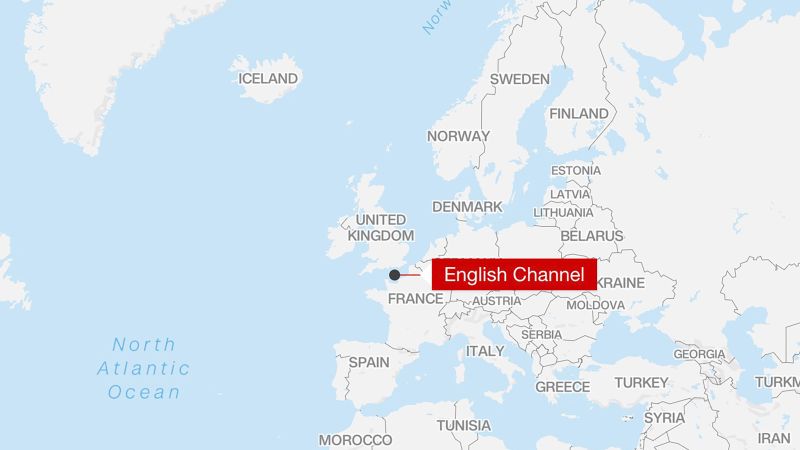
Russian warship fires warning shots at – On Tuesday, a Russian warship stationed in the English Channel reportedly discharged warning shots ahead of a UK-registered yacht, which was observed on a collision trajectory. The incident, as detailed by Russia’s defense ministry, unfolded approximately 20 miles (32 kilometers) south of the Isle of Wight, outside the boundaries of UK territorial waters. The Russian frigate Admiral Grigorovich allegedly identified the civilian vessel Bright Future as a potential threat and took action to avert a collision.
Collision Course and Warning Fire
According to the Russian defense ministry, the crew of the Admiral Grigorovich reported that the yacht was “on a dangerous course” and approaching within “close proximity” of the warship. Despite repeated attempts to communicate with the yacht via radio, the crew received no response. The Russian vessel then initiated a sequence of measures to alert the yacht, including launching signal flares to draw its attention.
“The crew of the frigate Admiral Grigorovich acted in strict accordance with international maritime regulations and took all necessary measures to prevent an incident,” stated the Russian defense ministry in its official statement.
As the yacht continued its approach, the Russian frigate commander reportedly decided to open warning fire along the vessel’s path. The ministry clarified that the shots were fired at a distance of around 150 meters, using small arms to signal the need for course correction. The yacht subsequently altered its trajectory, moving away from the Russian ship. No injuries or damage were reported by the yacht’s crew, and the vessel is said to be proceeding on its journey unimpeded.
UK Response and Context
A UK Defense Ministry spokesperson confirmed the incident, emphasizing that the warning shots were not directed at the yacht but were intended to prevent a possible collision. The spokesperson noted that the Admiral Grigorovich was being monitored by HMS Mersey, a Royal Navy offshore patrol vessel, during the event. This highlights the routine tracking of Russian naval movements in the English Channel, a critical shipping route known for its high traffic volume.
“The warning shots were an attempt to prevent a possible collision,” said the UK representative, underscoring the collaborative efforts between UK and Russian naval forces to maintain safety in shared waters.
The spokesperson also added that the Russian vessel had been signaling to other ships in the area, indicating it was drifting rather than being maneuvered under power. This detail, according to a UK defense source, may have contributed to the Russian crew’s perception of vulnerability, prompting the use of warning fire. The source clarified that the discharge involved single rounds rather than sustained automatic fire, minimizing potential risk to the yacht.
Recent Developments and Strategic Implications
The incident occurred two days after the UK military intercepted an oil tanker associated with Russia’s shadow fleet in the same region. British Prime Minister Keir Starmer highlighted this as a significant event, marking the first time UK forces had identified a Russian-linked vessel in the English Channel. However, officials have not established a direct connection between the two events, stating they are independent occurrences.
Analysts suggest that the English Channel remains a strategic focal point for maritime tensions, given its role as a major transit route for global trade and military operations. The presence of Russian warships in the area has been a subject of scrutiny, with UK authorities routinely monitoring their movements. The recent actions involving the Admiral Grigorovich and the Bright Future yacht may reflect an escalation in vigilance or a test of international maritime protocols.
International maritime regulations, such as the International Regulations for Preventing Collisions at Sea (COLREGS), provide guidelines for vessel interactions in busy waterways. While the Russian ship followed these rules, the UK has expressed concern over the potential for escalation in such encounters. The Bright Future yacht’s proximity to Russian forces raises questions about the balance between navigational safety and geopolitical posturing in the region.
Geopolitical Tensions and Naval Presence
The English Channel, a narrow body of water connecting the North Sea to the Atlantic, is a key area for both commercial and military traffic. Its strategic importance has made it a frequent site of diplomatic and operational interactions between nations. The Russian navy’s routine presence in the Channel underscores its commitment to maintaining influence in European waters, even as it engages in activities that could be seen as provocative.
UK authorities have been tracking Russian naval movements closely, particularly since the country’s increased maritime activity in the region. The Admiral Grigorovich’s actions, combined with the earlier interception of the oil tanker, suggest a pattern of heightened operations. While the UK has not accused Russia of deliberate aggression, the incident highlights the challenges of navigating shared maritime spaces amid geopolitical rivalries.
Experts note that such events, though seemingly isolated, contribute to the broader narrative of maritime tensions between the UK and Russia. The use of warning shots in the Channel may serve as a demonstration of readiness or a means to assert control over the route. The Bright Future yacht’s continued travel after the incident suggests that no major damage or disruption occurred, but the event remains a point of discussion for both nations.
International Reactions and Future Outlook
International observers have weighed in on the incident, noting the importance of clear communication and adherence to maritime norms in preventing misunderstandings. The UK’s defense ministry has stated it will review the event to ensure all protocols were followed, while Russia maintains its actions were defensive and necessary.
As Russia expands its naval presence in the English Channel, the potential for similar encounters with UK-flagged vessels or other international ships is expected to rise. This could lead to increased dialogue or, in some cases, a more confrontational approach. The Bright Future incident serves as a reminder of the delicate interplay between military operations and civilian maritime traffic in high-traffic areas.
With the UK and Russia both maintaining a visible presence in the Channel, the incident underscores the need for continued cooperation and clear communication. The outcome of this event, while positive for now, may influence future interactions and set a precedent for how such situations are handled in the region. As the world watches, the focus remains on ensuring safe passage for all vessels while managing the strategic implications of naval encounters.